Labour Rebellion Brews Over Mahmood's Immigration Overhaul
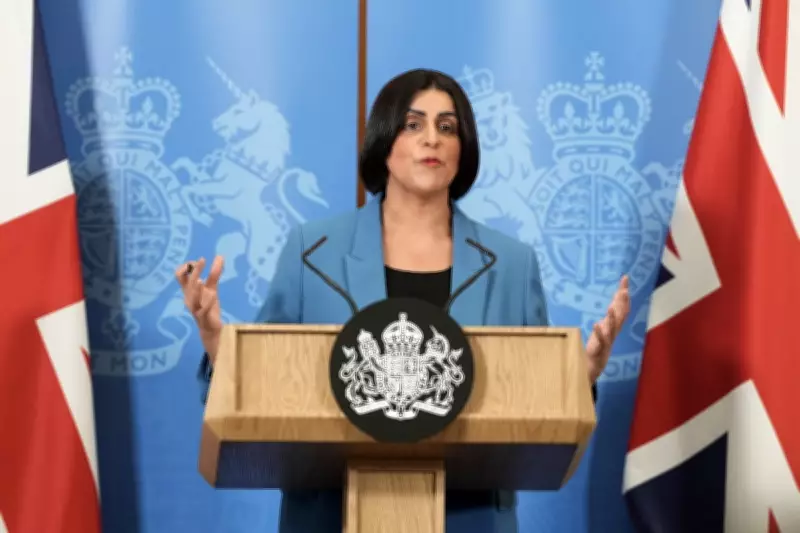
Labour backbenchers are once again challenging government policy, this time targeting Home Secretary Shabana Mahmood's proposed changes to settled status rules. The brewing conflict centers on Mahmood's plan to extend the period migrants must wait before qualifying for indefinite leave to remain (ILR) - which grants permanent residency and a pathway to British citizenship - from five years to ten years in most cases.
Organized Resistance Takes Shape
Reports indicate that approximately one hundred Labour MPs have signed an open letter urging Mahmood to reconsider her approach. These parliamentarians are preparing substantial organized resistance, including laying a motion in the House of Commons to formally reject one of the home secretary's first major policy initiatives. This confrontation marks the beginning of what promises to be a hard-fought battle, reminiscent of last summer's welfare reform debates.
Influential Voices Amplify Opposition
The rebellion has gained momentum with interventions from prominent party figures. Former deputy prime minister Angela Rayner has significantly increased pressure on the government by describing Mahmood's approach as "UnBritish." Greater Manchester Mayor Andy Burnham, another influential Labour voice, has echoed these concerns. Liberal-leaning Labour MPs have expressed growing unease about the direction of asylum and immigration policy since Mahmood succeeded Yvette Cooper as home secretary in September.

Government's Uncertain Position
Following Rayner's outspoken criticism, the prime minister's spokesperson declined to fully endorse Mahmood's plan, creating uncertainty about the government's unified position. Despite this, Mahmood appears determined to proceed with her proposals, setting the stage for a potential confrontation between determined reformers and equally determined opponents.
Practical Implications of the Rebellion
While a parliamentary motion condemning government policy lacks formal legislative power - since Mahmood already possesses authority to extend the settled status qualification period - the rebellion serves important political purposes. Labour MPs skeptical of the asylum system changes can register their discontent, potentially embarrassing the home secretary and pressuring for policy modifications without necessarily derailing the entire initiative.
If internal opposition becomes overwhelming, the government might implement "transitional rules" to soften the policy and avoid even symbolic defeat. The rebels' influence could grow significantly when new legislation requiring parliamentary approval emerges, particularly regarding appeals system changes where amendments could substantially alter policy implementation.
Demographic Realities Drive Urgency
The practical impetus for addressing immigration stems from demographic projections. Without policy changes, approximately 1.6 million people are expected to settle in the United Kingdom between now and 2030, with a peak of 450,000 arrivals anticipated in 2028. This projection, stemming from what's termed the "Boris wave" of earlier arrivals, creates urgency for government action according to Mahmood's supporters.
Political Ramifications and Electoral Calculations
The spectacle of a divided Labour Party fighting its own government risks damaging public confidence, recalling the political adage that divided parties struggle in elections. Mahmood argues that her tough reforms are necessary to preserve race relations and counter Reform UK, which advocates even stricter measures including forced mass deportations.
Critics counter that Labour faces greater threat from the Greens, who adopt more permissive asylum policies and emphasize immigration benefits. Beyond ideological positioning, immigration remains a crucial concern for many voters who simply want the issue resolved, regardless of which party holds power.

Addressing Public Concerns
Public anxiety about "small boats" and "asylum hotels," exacerbated by misinformation and sensational reporting, has created what some describe as an emotional, almost nihilistic attitude among certain population segments, evidenced by summer 2024 riots. The government believes reducing irregular migration and permanently emptying asylum hotels could neutralize this explosive issue.
As the debate intensifies, critics argue that if Labour rebels possess superior plans for addressing immigration concerns while winning public arguments, they should publish detailed alternatives. The coming weeks will determine whether this immigration policy confrontation becomes another government U-turn or establishes Mahmood's authority within her party and across Westminster.