Labour Together Scandal Engulfs Starmer's Government in No 10 Crisis
In late 2023, Labour Together stood as a dominant force within the political landscape, with Keir Starmer as its chosen leader propelling the party to a commanding double-digit lead in opinion polls. Morgan McSweeney, the architect behind Labour Together, was diligently preparing Starmer for governance, fueled by aspirations to purify British politics. Fast forward to the present, and McSweeney has been ousted from his position, Labour Together is entangled in severe controversy, and Prime Minister Starmer confronts pressing inquiries regarding his awareness and timing of these events.
Undeclared Donations and PR Firm Involvement
The initial cracks appeared in November 2023, when reports surfaced concerning Labour Together's financial backing. A particularly damaging investigation by Gabriel Pogrund and Harry Yorke exposed that between 2017 and 2020, McSweeney had neglected to declare £730,000 in political donations to the organisation, a lapse attributed by the group to administrative oversight. However, the narrative escalated earlier this month with revelations on Democracy for Sale that Labour Together, under the leadership of now government minister Josh Simons in 2023, enlisted PR firm APCO Worldwide. APCO was paid £36,000 to probe the origins of the funding story and gather compromising information on journalists from the Sunday Times and other outlets reporting on the undeclared funds.
This operation was spearheaded by former Sunday Times journalist Tom Harper, who insinuated, without substantiation, that the journalists' work might have stemmed from leaks orchestrated by Russia or China. Labour Together did not confine these allegations internally; they shared APCO's findings with security services, raising grave concerns about public authorities being manipulated to undermine legitimate journalism.

Government Response and Scrutiny
After initially closing ranks in hopes the controversy would dissipate, Labour has been compelled to react. Starmer has stated that APCO's activities for Labour Together absolutely need to be looked into, while Simons expressed surprise and shock at the report's extension beyond the contract, claiming he requested removal of unnecessary information on Gabriel Pogrund before forwarding it to GCHQ. The Cabinet Office has reportedly initiated an informal inquiry, but scepticism abounds as this appears akin to self-assessment, given Simons, who commissioned the work, serves as a Cabinet Office minister in Starmer's administration.
When questioned, science secretary Liz Kendall highlighted the Public Relations and Communications Association (PRCA) as the relevant regulatory body investigating the matter. Yet, this is largely ineffective, as the PRCA focuses on APCO rather than Labour Together and operates as a voluntary industry association, lacking statutory regulatory power. Meaningful oversight for PR firms and private intelligence contractors remains virtually non-existent.
Connections to No 10 and Broader Implications
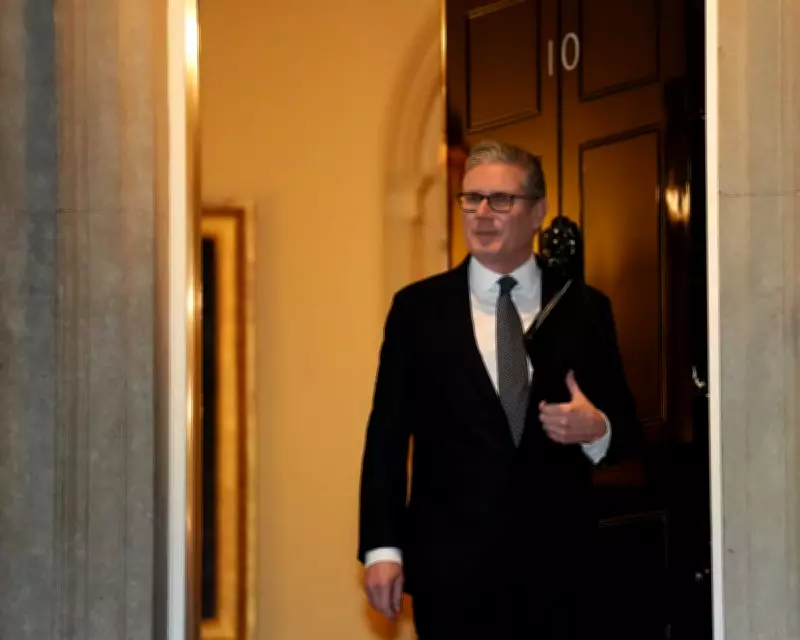
This scandal strikes at the core of Downing Street. Further disclosures on Democracy for Sale revealed that APCO's London office was managed by Kate Forrester, a Labour Together adviser whose husband, Paul Ovenden, was Starmer's head of communications at the time. Ovenden later resigned from government after offensive messages about Diane Abbott emerged. It is known that McSweeney was aware of APCO's work, and Starmer himself showed keen interest in media coverage during his rise to power, making his recent claims of ignorance increasingly difficult to reconcile with the public record.
The targeted journalists were not merely publishing negative stories; they were uncovering a critical, largely overlooked aspect of Starmer's ascent: his leadership campaign benefited from hundreds of thousands in undeclared funding. This money financed detailed polling and analysis of Labour members in the final years of Jeremy Corbyn's leadership, enabling McSweeney to position Starmer as the optimal candidate. Had donors like businessman Trevor Chinn and hedge fund manager Martin Taylor been publicly known, the campaign's facade of Labour unity might have shattered.

Senior figures now in government, including cabinet ministers Steve Reed and Lisa Nandy, were involved with Labour Together during this period. The Electoral Commission eventually imposed a £14,250 fine for multiple breaches of election law, but APCO's efforts to discredit journalists helped suppress the story, with Labour Together suggesting it was a victim of Kremlin interference to divert attention from its own misconduct.
Broader Questions and Call for Action
This episode raises wider issues about London's role as the global hub of the private intelligence industry, valued at an estimated £15 billion annually, with activities shrouded in secrecy. APCO's work for Labour Together only came to light due to a rare leak, highlighting how many other journalists and political organisations might be similarly targeted. As co-founder Jon Cruddas remarked, This is dark shit.
When Starmer assumed power pledging to cleanse politics, he lauded journalism as the lifeblood of democracy in the Guardian. Yet, it is now evident that the vehicle driving his rise, staffed by key allies, orchestrated a campaign to smear journalists. Simons, who commissioned APCO, remains a minister in Starmer's government, a position increasingly untenable. Starmer must go beyond dismissing a single minister; he should commission an independent inquiry and address urgent questions about his own knowledge of this sordid affair, or risk being implicated in an unsustainable cover-up. The decisions he makes next will be closely watched, especially by journalists, revealing much about his commitment to transparency and accountability.