Starmer Confronts Labour Rebellion Over Mandelson-Epstein Scandal
Prime Minister Sir Keir Starmer is facing significant unrest within his own Labour Party over the ongoing scandal involving Lord Peter Mandelson's connections to convicted paedophile Jeffrey Epstein. The political crisis has forced the Prime Minister into a major climbdown regarding the release of sensitive documents related to the controversial appointment.
Knowledge of Epstein Links Before Appointment
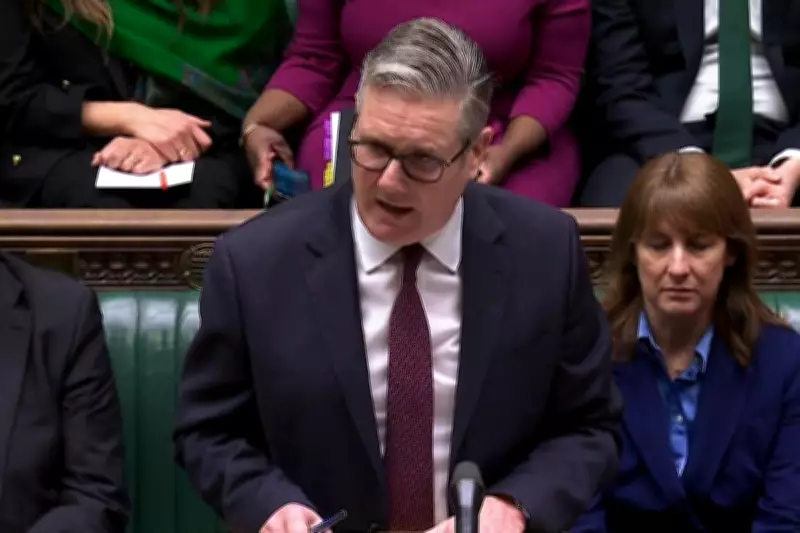
During a tense Prime Minister's Questions session, Sir Keir Starmer admitted that he was aware of Lord Mandelson's ongoing friendship with Jeffrey Epstein when he appointed him as Britain's ambassador to the United States in 2024. The Prime Minister stated that official security vetting had indeed mentioned Mandelson's relationship with Epstein, who died in 2019 while awaiting trial on sex trafficking charges.
"Yes it did," Sir Keir confirmed when asked by Conservative leader Kemi Badenoch whether the security vetting had highlighted Mandelson's continued association with Epstein following the financier's 2008 conviction for soliciting a minor. "As a result, various questions were put to him."
Mandelson's Alleged Deception and Dismissal
The Prime Minister told MPs that while the basic relationship was known, "What was not known was the depth, the sheer depth and the extent of the relationship." He accused Lord Mandelson of having "lied about that to everyone for years," claiming the peer provided misleading information about the nature and extent of his connections to the disgraced financier.
Lord Mandelson, a political appointment rather than a career diplomat, was ultimately dismissed from his Washington role in September 2025 after new information emerged showing his relationship with Epstein was "materially different from what we'd been led to believe." His continued association with Epstein following the 2008 conviction had been widely reported before his return to frontline politics as ambassador.
Labour Pressure Forces Document Release Concession
In a clear sign of Labour anger over the scandal, Sir Keir Starmer was forced to retreat from his original position on document disclosure. The Prime Minister had initially wanted the government's top civil servant, Sir Chris Wormald, to determine which papers could be withheld on national security grounds or to prevent prejudicing international relations.
However, under sustained pressure from Labour MPs led by former deputy leader Angela Rayner, Sir Keir accepted that Parliament's Intelligence and Security Committee should instead make the decision about document release. This represents a significant concession to parliamentary oversight and transparency demands.
Political Fallout and Parliamentary Scrutiny
The controversy has provided political ammunition for the Conservative opposition, with Tory leader Kemi Badenoch leading the parliamentary push for full disclosure of papers relating to Mandelson's appointment. During the heated exchange at Prime Minister's Questions, Badenoch repeatedly questioned Sir Keir about his knowledge of Mandelson's post-conviction friendship with Epstein.
The scandal continues to cast a shadow over the government's appointment processes and raises questions about vetting procedures for high-profile diplomatic roles. As Labour MPs express their discontent and demand greater transparency, the Prime Minister faces the challenge of managing internal party divisions while maintaining government stability.
The Mandelson-Epstein affair represents one of the most significant political controversies of Sir Keir Starmer's premiership, testing his leadership and highlighting ongoing concerns about accountability in political appointments to sensitive diplomatic positions.