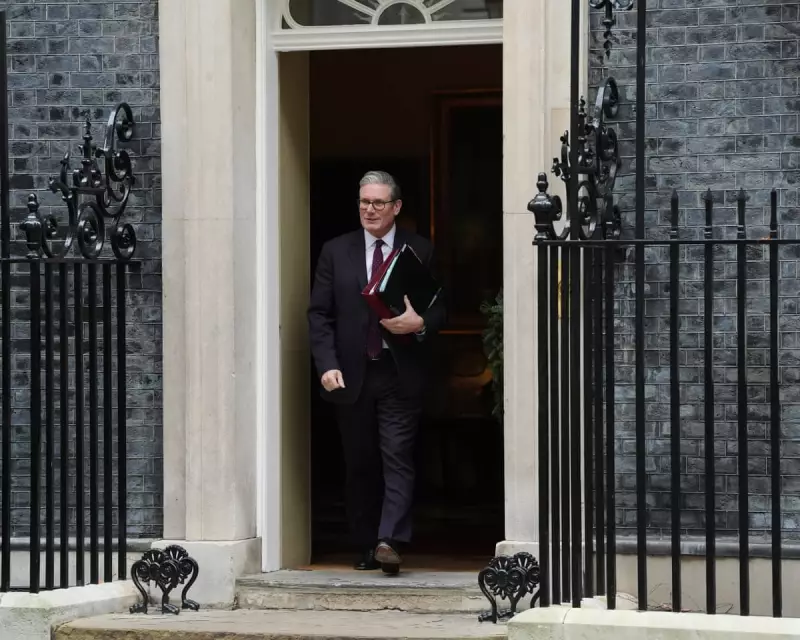
A stark warning has been issued from within the Labour Party, declaring that leaving Sir Keir Starmer in his position as leader would constitute a 'failure of historic proportions by the party as a whole'. The caution comes amid a series of letters published in the Guardian, where readers and party members dissect a deepening crisis in British democracy and Labour's plummeting popularity.
A Crisis of Democracy and Leadership
The correspondence was sparked by recent articles questioning the state of British parliamentary democracy and Labour's ability to recover. One letter writer, Michael Chandler from Shoreham-by-Sea, presented the parliamentary Labour party with a binary choice: change leader and reset, or allow the democratic crisis to deepen by maintaining the status quo. This sentiment underscores the intense internal pressure facing Starmer's leadership as the new year begins.
Other contributors pointed to a growing chasm between the politics of the House of Commons and the activism seen in workplaces, communities, and on the streets. Keith Flett from Tottenham highlighted that while hundreds of thousands continued to march for Palestine in 2025, government actions—such as ongoing arms sales to Israel—have fuelled public disillusionment. Simultaneously, the government has introduced a steady stream of new measures to restrict protest rights.

Key Factors Behind Labour's Decline
The letters identify several core reasons for Labour's sharp decline in public support following the election. Daniel Scharf from Abingdon argued that economic factors are secondary to profound breaches of trust. He cited the lack of decisive action on Gaza and a punitive approach towards climate and Palestine protesters as likely causing permanent damage to the party's standing with voters.
Another significant, yet under-reported, factor raised by Tom Quinn from Farnham is the blizzard of online disinformation. He referenced a Guardian report from 13 December 2025, which revealed that YouTube channels spreading fake, anti-Labour videos had been viewed a staggering 1.2 billion times in that year alone. The scale of this coordinated attack is suggested as a major contributor to the government's deep unpopularity.
The Unfinished Battle for Electoral Reform
A recurring theme in the letters is the urgent need for democratic renewal through proportional representation (PR). One writer noted the irony that Nigel Farage's Reform UK once championed PR as a central policy, though the party has since grown quiet on the issue. The consensus among correspondents is that the current first-past-the-post system is failing to reflect the public will, exacerbating the disconnect between Westminster and the electorate.
Looking ahead to 2026, the battle lines are drawn. Defenders of democracy must fight not only from within the halls of power but crucially from the ground up, in communities and through sustained public pressure. The future of both the Labour Party and the health of British democracy appears to hinge on the coming months' political choices.