Plans by a senior Labour minister to dismantle the UK's aid watchdog have ignited a fierce political row, with accusations that the government is seeking to evade accountability while implementing deep cuts to the foreign aid budget.
Minister Considers Shutting Down Independent Scrutiny Body
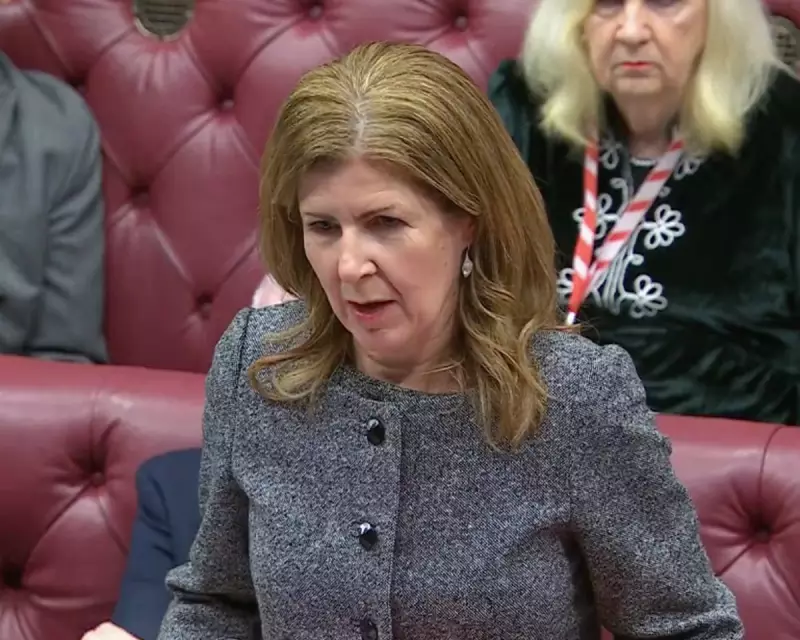
Jenny Chapman, the development minister and a close ally of Prime Minister Keir Starmer, has confirmed she is actively considering the closure of the Independent Commission for Aid Impact (ICAI). This body is responsible for scrutinising projects funded by the UK's £14 billion aid budget, ensuring value for taxpayers' money.
Chapman's remarks came during questioning by MPs on the Commons' international development committee, where she suggested that reforms to the watchdog were necessary. She argued that the investment in ICAI had not achieved its intended goals, including bolstering public confidence in aid spending.

Cross-Party Condemnation and Manifesto Contradiction
The move has been met with swift condemnation from both Labour and Conservative MPs. Sarah Champion, the Labour chair of the international development committee, labelled the proposal as "misguided," emphasising the need for transparency, especially when funding is reduced and global needs are increasing.
Andrew Mitchell, a Conservative MP and former cabinet minister who established ICAI in 2011, accused the government of attempting to "escape scrutiny" and "cover up the crime" of slashing billions from aid. He highlighted that the watchdog plays a crucial role in reassuring the public that aid money is being spent effectively.
This stance appears to contradict Labour's 2024 general election manifesto, which pledged to work "closely with the Independent Commission for Aid Impact" while in government, raising questions about the consistency of the administration's commitments.
Background and Recent Criticisms of ICAI
The ICAI was created under the Conservative-Lib Dem coalition government to provide independent oversight following decades of aid spending scandals. It fulfils a statutory obligation for evaluating aid programmes and has recently published reports critical of government decisions.
In April, the watchdog warned that using over a quarter of the aid budget to support refugees in Britain was "wreaking havoc" with development and poverty reduction efforts overseas. In November, it questioned the Foreign and Commonwealth Office's choice of "least ambitious" atrocity prevention plans for Sudan, despite intelligence warnings about the fall of El Fasher.
Currently, ICAI's ten full-time officials are examining government plans to end violence against women and girls, a priority championed by Foreign Secretary Yvette Cooper.
Financial Context and Defence Priorities
Chapman's consideration comes amid broader financial pressures. The government aims to reduce the aid budget by 40% by 2027, from 0.5% to 0.3% of gross national income. Under pressure from figures like Donald Trump to increase NATO funding, these cuts are expected to redirect significant sums to defence: £500 million in 2025/26, £4.8 billion in 2026/27, and £6.5 billion in 2027/28.
Chapman defended her stance, stating that with less money available, every expenditure must be reviewed strategically. "The prime minister wanted a line-by-line review of the aid budget, and there are no sacred cows," she said, noting that ICAI costs under £4 million annually.
Defence of the Watchdog's Role
Tamsyn Barton, ICAI's chief commissioner until July 2024, countered that cutting the watchdog due to aid reductions "does not stand up." She argued that independent scrutiny becomes even more vital when funds are scarce, to ensure money is well spent and inefficiencies are exposed.
An ICAI spokesperson emphasised that the commission costs less than 0.03% of the total aid budget and delivers robust scrutiny that maximises the impact of taxpayers' money globally, supporting initiatives like vaccine funding, climate change action, and conflict assistance.
This controversy highlights ongoing tensions within the Labour government as it balances fiscal constraints with commitments to transparency and international development, sparking a debate that could shape UK aid policy for years to come.