Labour's Byelection Defeat Sparks Leadership Crisis Amid Green Surge
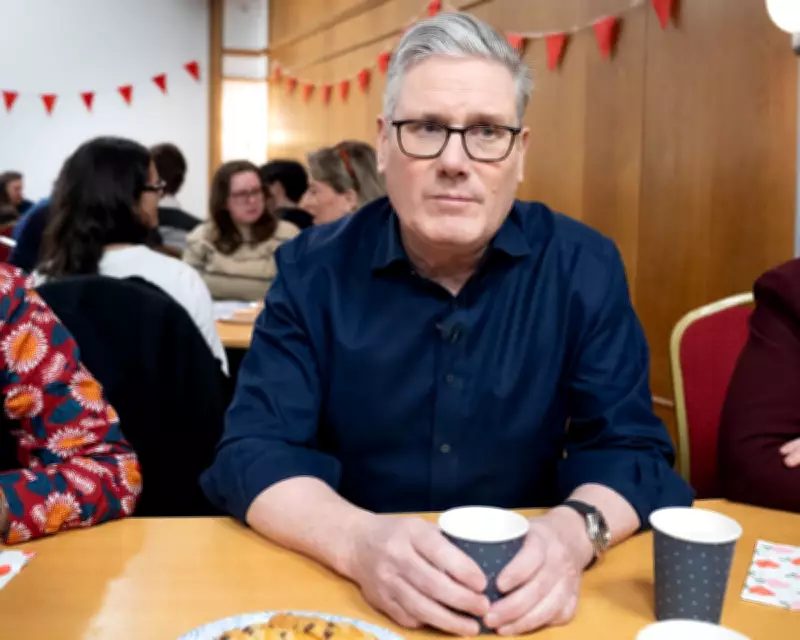
Keir Starmer met with Labour party members at St Anne's Church in Putney, south London on Friday, following his party's humiliating defeat in the Gorton and Denton byelection. The gathering came as Labour officials attempted to process a result that saw the party romp into third place, trailing behind both the victorious Green Party and Reform UK.
A Historic Setback for Labour
Having haemorrhaged half its support from the general election just 19 months ago, Labour's performance in Gorton and Denton represents one of the party's most significant electoral setbacks in living memory. This was an area where Labour hadn't lost an election for almost a century, making the third-place finish particularly devastating for Starmer's leadership.
As David Lammy put it in his assessment of the result: "Only Labour can stop Reform." Yet stopping them by finishing third while losing substantial voter share presents what can only be described as an intriguing strategy for political survival.

Conservative Collapse and Green Triumph
The Conservative performance proved even more disastrous, with their candidate losing their deposit and recording what appears to be the worst ever English byelection result in Conservative party history. Despite this, Tory officials bizarrely claimed the result showed that "only the Conservatives have the experience, the plans and the team to ensure a stronger economy and a stronger country."
Meanwhile, Green leader Zack Polanski declared that his party's victory "could transform the face of" UK politics, suggesting a fundamental realignment might be underway. The Green win represents a significant breakthrough for the party and signals growing voter dissatisfaction with traditional political options.
Leadership Under Fire
Keir Starmer now faces mounting pressure over his leadership decisions, particularly his intervention to prevent Greater Manchester mayor Andy Burnham from standing in the constituency. This decision, along with Labour's overall strategy, has come under intense scrutiny following the disastrous result.
Labour's general secretary, Hollie Ridley, had previously dismissed the idea that the Greens could win in Gorton and Denton as "bollocks," and earlier this week expanded that "the Green party are clearly high on the class-A drugs they want to legalise if they think they're in this race." Such comments now appear embarrassingly misguided in light of the actual outcome.
Political Fracturing Intensifies
The byelection aftermath has revealed deepening fractures within the UK's political landscape. Even beneficiaries of the two-party system's breakdown have turned on each other, with Nigel Farage alleging that "this election was a victory for sectarian voting and cheating."
Reform UK's own campaign faced internal tensions, with chair David Bull offering a strained defense of candidate Matthew Goodwin's controversial comments about British identity. Bull described Goodwin, an academic, as having made "interesting" comments that required discussion, in what appeared to be a diplomatic attempt to distance the party from problematic statements.
Labour's Communication Crisis
Labour's response to the defeat has highlighted what many see as a fundamental communication problem within the party. Deputy leader Lucy Powell suggested that "people want to see the Labour party, the Labour government, shouting more loudly about our values, about our story" - a formulation that exemplifies the kind of political jargon that appears increasingly disconnected from ordinary voter concerns.
Starmer himself showed little sign of having absorbed the lessons of the night when facing cameras, continuing to employ familiar rhetoric about "fighting" despite mounting evidence that this approach is failing to resonate with voters.
Looking Ahead to Local Elections
The Gorton and Denton result has set the stage for what promises to be a contentious campaign ahead of May's local elections. With Labour now clearly needing to fight simultaneously on two fronts - against both the Conservatives and insurgent parties like the Greens and Reform UK - the party faces its most challenging electoral environment in decades.

Kemi Badenoch's assessment that Starmer is "in office but not in power" reflects growing sentiment even within political circles that Labour's leadership has lost its way. As British politics continues to fragment, with no clear centre remaining, traditional parties must confront the reality that their historical dominance can no longer be taken for granted.