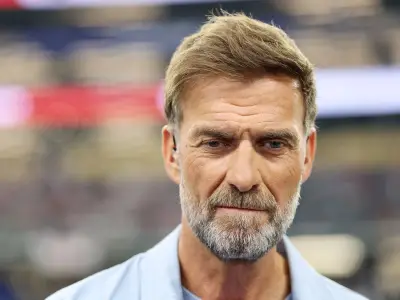
At 82 years old, former Prime Minister Sir John Major has transformed into a formidable elder statesman, delivering a passionate and animated warning about the dangers of populist politics. In a recent speech at King's College London, Major exhibited a controlled rage rarely seen during his premiership, directly targeting figures like Nigel Farage and Zack Polanski while lamenting the failures of Brexit.
A Forceful Critique of Contemporary Politics
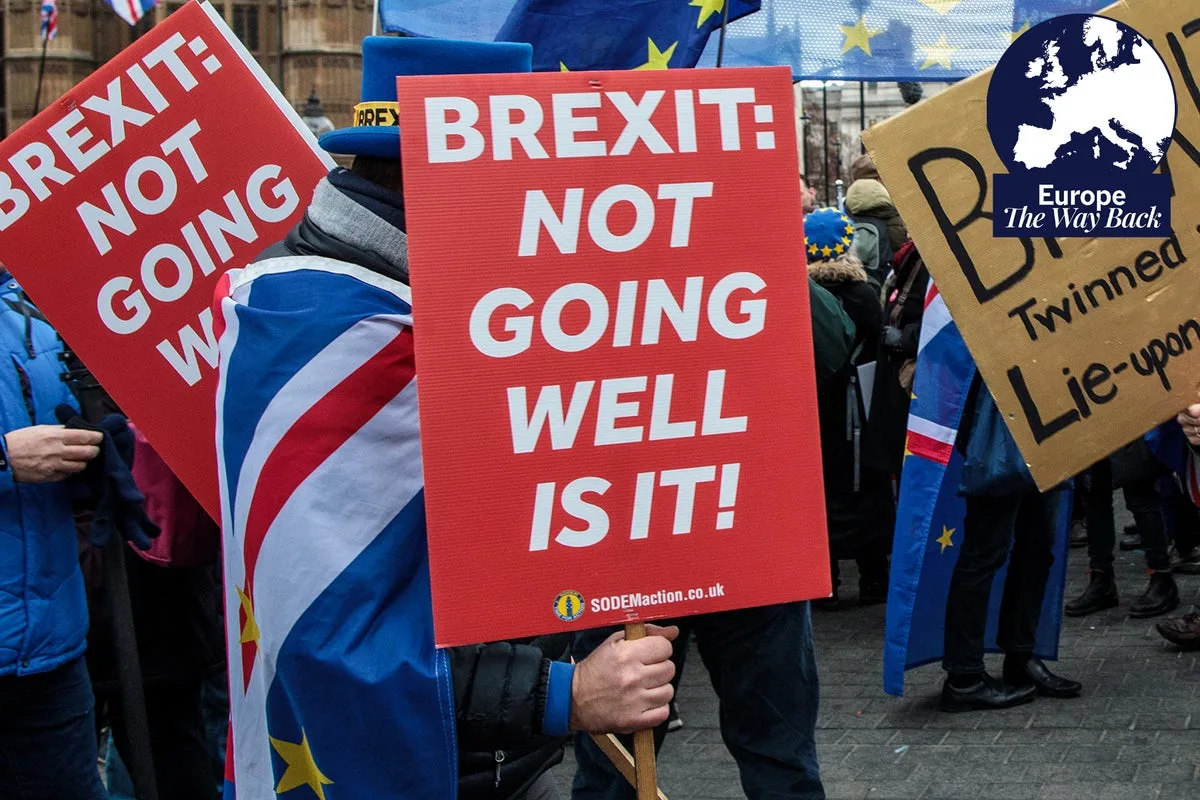
Major, once synonymous with mildness, expressed profound anger about Britain's departure from the European Union. "Is it not time to recognise that Brexit has failed to deliver its many promises?" he demanded, highlighting the gap between rhetoric and reality. His critique extended to American politics, where he delivered a stylish rebuke to Donald Trump's MAGA movement, praising the altruistic Marshall Plan as what truly "made America great."
Warning Against Populist Insurgents
The central theme of Major's Attlee Foundation lecture was a stark warning about abandoning mainstream political parties. "If we were to cast aside our mainstream politicians – as polls suggest we may do – then a gap would open up, and that gap may not be filled by democrats," he declared with fierce emphasis. While not naming Farage or Polanski directly, his reference to "populist insurgents who seek to divide and not unite" left little doubt about his targets.
Major specifically cautioned against the Reform party, noting cryptically that "it's a useful word, reform; it can mean everything or nothing." He urged electors to "treat with suspicion rash promises from infant parties that have never experienced the complexities of democratic government."
On International Relations and Leadership
The former prime minister expressed deep regret about the deteriorating political and military relationship between Britain and America. "I know what we had," he emphasized, "and deeply regret that it seems to be falling away." He criticized current President Trump for putting "self-interest before the wider international interest" and suggested Keir Starmer had been too meek in dealing with such leadership.
However, Major did agree with Starmer's response to American-Israeli strikes on Iran, supporting participation in defensive operations only. This nuanced position reflects his experience in international diplomacy and military affairs.
Evolving Political Positions
In a significant concession to liberal perspectives, Major admitted openness to changing the voting system. "Recent general elections have thrown into doubt the validity of first-past-the-post," he acknowledged. "As voting preferences spread more widely, it provides distorted results. The democratic case for examining this is growing."
Yet he maintained traditional positions on other constitutional matters, firmly opposing an elected House of Lords. "An elected upper house would meet democratic aspirations, but would be a monumental mistake," he argued. "It could challenge the primacy of the Commons and create constitutional confusion."
The Wisdom of Experience
Major's transformation from a record-breakingly unpopular prime minister to a respected national treasure reflects his willingness to engage with issues beyond partisan politics. His bipartisan campaign with Tony Blair to remain in the European Union demonstrated "true generosity of spirit," as he warned about Brexit's dangers to Northern Irish peace.
When asked what advice he would give to current Conservative politician Kemi Badenoch, Major diplomatically replied, "I prefer to keep my family quarrels private." He also displayed humility about his knowledge limitations, admitting "what I know about artificial intelligence you could write on a postage stamp with an elephant's hoof," while remaining optimistic about technology's promise for the future.
Ultimately, Major's message carries weight precisely because of his extensive political experience. "At my age, I have a limited lease on the future," he noted, "but let me say with all the force I can muster" that the nation should heed warnings against political movements offering simplistic solutions to complex problems. His evolution from mild leader to forceful commentator makes his cautionary words particularly compelling for contemporary British politics.