Manchester Residents Voice Outrage as Labour Blocks Burnham's Political Ambitions
The political landscape in Greater Manchester has been rocked by controversy following Labour's decisive move to block Mayor Andy Burnham from making a return to Westminster. The National Executive Committee's (NEC) intervention has sparked widespread anger among local voters, with many expressing feelings of betrayal and frustration towards the party leadership.
The Weekend That Changed Everything
What began as promising speculation about Andy Burnham's potential return to national politics ended abruptly when Labour's NEC made their final decision by midday on Saturday. The former Labour MP, often dubbed the "king of the north," had been widely expected to contest the Gorton and Denton by-election triggered by Andrew Gwynne's resignation. However, party officials determined that Burnham would not be permitted to run, citing concerns about conserving Labour resources rather than protecting Sir Keir Starmer's leadership position.
On Monday morning, while Burnham appeared relaxed and made lighthearted jokes about having a quiet weekend, Sir Keir Starmer faced intense media scrutiny as he attempted to justify the NEC's controversial decision. The Labour leader insisted the blocking was primarily about resource allocation rather than personal political protection, but this explanation has done little to quell the growing discontent in Manchester.
A Mayor's Legacy and Local Loyalty
Since his initial election as Mayor of Greater Manchester in May 2017, Andy Burnham has overseen remarkable growth in the city-region, which has become the UK's fastest-growing economy with a 28 percent expansion since 2015. Many residents credit Burnham with significant achievements, particularly the establishment of the integrated travel network known as the "Bee network." His vocal opposition to government lockdown tiers during the pandemic also remains fresh in the memories of many constituents.
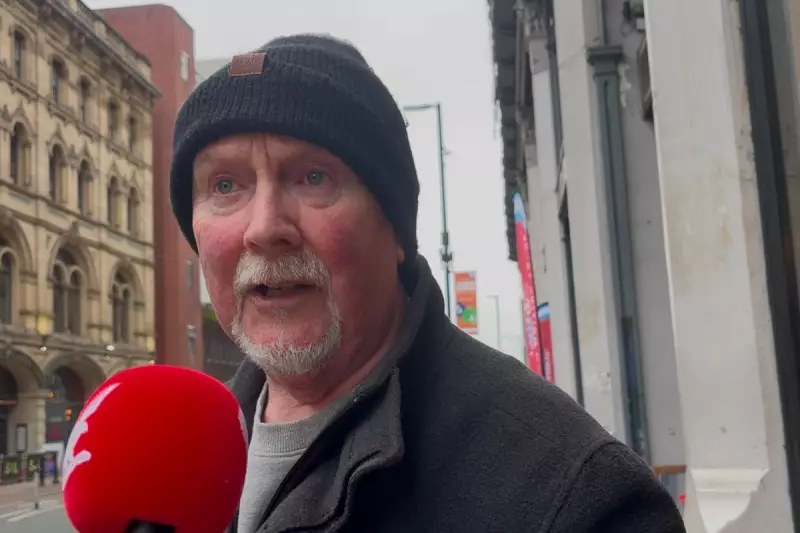
Mr Owens, speaking in Manchester city centre, encapsulated the conflicted feelings of many residents: "I love Andy Burnham. I think Manchester would be worse off without him, so I hope he stays. I know everybody has got to do what's best for them but he has always said he'd do what's best for Manchester, so it's either himself or Manchester. It is a tough one."
Growing Disillusionment with Labour Leadership
The decision has exposed deep fractures between Labour's national leadership and its northern heartlands. A couple from Stockport, who wished to remain anonymous, expressed their frustration: "He's more of a Labour man than any of them in there. He's for the people." They argued that the choice about Burnham's political future "should have been Manchester's" rather than being determined by the NEC in London.
This sentiment was echoed by Anna, a Manchester resident of fifty years, who told reporters: "I hope he gets chosen soon. I've been watching him and following his votes. He's very very good." When questioned about who should decide Burnham's eligibility for the by-election, she insisted it should have been determined by "more people" than just the party's national executive committee.
Accusations of Fear and Dictatorship
Several voters offered scathing assessments of Sir Keir Starmer's leadership style. One woman waiting for a bus in Gorton stated bluntly: "I don't think he should've been blocked. He's better than Starmer. He's all for the north, and he's fair." She accused the Labour leader of blocking Burnham's candidacy because he was "scared" of the popular mayor's potential challenge, adding: "I think if we had more Burnhams, people would vote Labour."
An ex-Labour voter who now supports the Green Party delivered an even harsher verdict: "It should have been our decision to make, we bl***y live here. But the Labour Party now are just Tories in red. So I wouldn't vote for him anyway." He described Starmer as running the party like a "dictatorship" and criticised the leadership for denying local voters their democratic voice.
Concerns About Political Consequences
Beyond the immediate anger, some voters expressed concerns about the broader political implications of Labour's decision. Mr Owens warned that a mayoral election without Burnham could "open the door for Reform in Greater Manchester," suggesting that "Reform would give them a good stick to beat us with." He acknowledged the procedural complexities but maintained that "you can't just kick them into a bin just because somebody wants to be an MP."
Not Universal Praise
While many expressed strong support for Burnham, not all Manchester residents shared this positive assessment. One woman waiting for her bus offered a contrasting view: "Andy Burnham is the worst thing that ever happened to Manchester. The buses are worse than they've ever been." She expressed preference for Andrew Gwynne remaining as MP, describing him as a "good constituency MP" who "wasn't afraid to stand up to the big boys," while suggesting Burnham "drinks with the big boys."
This division of opinion reflects the complex political landscape in Greater Manchester, where Burnham's policies and leadership style have generated both passionate support and significant criticism.
A Defining Moment for Labour's Relationship with the North
The controversy surrounding Andy Burnham's blocked Westminster return represents more than just a local political dispute. It has become a symbolic flashpoint in the ongoing tension between Labour's national leadership and its traditional northern strongholds. The widespread anger expressed by Manchester voters suggests a growing disillusionment with what many perceive as London-centric decision-making that disregards regional voices and priorities.
As Labour attempts to consolidate its position nationally, this incident raises important questions about party democracy, regional autonomy, and the balance between local representation and national political strategy. The phrase "Tories in red" has emerged as a particularly damaging critique from disillusioned voters, suggesting that for some northern supporters, the distinction between the two major parties has become uncomfortably blurred.
The coming weeks will reveal whether this controversy represents a temporary setback or a more fundamental challenge to Labour's relationship with its northern constituencies. What remains clear is that in Manchester, the decision to block Andy Burnham's political ambitions has struck a deep chord, exposing raw nerves about political representation, regional identity, and the future direction of the Labour Party.