Manchester Residents Voice Mixed Reactions to Labour's Block on Andy Burnham's Westminster Bid
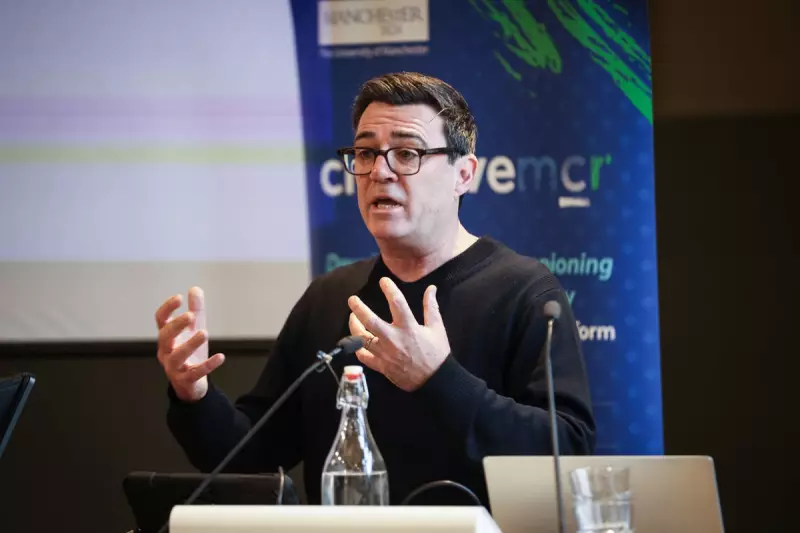
The political landscape in Manchester has been stirred by a controversial decision from Labour's National Executive Committee (NEC), which has blocked Andy Burnham, the Mayor of Greater Manchester, from standing in a Westminster by-election. This move follows the resignation of Andrew Gwynne, a Labour MP, which triggered the by-election and sparked speculation about Burnham's potential return to national politics after his tenure as mayor.
Labour's Official Stance and Accusations of a 'Stitch-Up'
Sir Keir Starmer, the Labour leader, has publicly stated that the NEC's decision was primarily aimed at conserving party resources, rather than being a strategic move to protect his own leadership from a potential rival like Burnham. However, this explanation has not quelled the growing discontent among some voters and political observers, who have accused Starmer of orchestrating a 'stitch-up' to sideline a prominent figure within the party.
The controversy highlights deeper tensions within Labour, as Burnham, a former Labour MP known for his vocal advocacy on issues such as devolution and public services, represents a significant voice that could challenge the current leadership's direction. By preventing his candidacy, the NEC has effectively curtailed any immediate threat to Starmer's authority, but at the cost of alienating segments of the party's base.

Voter Sentiments in Manchester: Praise, Criticism, and Calls for Local Autonomy
In Manchester, residents have expressed a wide range of opinions on the matter. Many voters have praised Andy Burnham's achievements as mayor, citing his efforts in areas like transport, housing, and pandemic response. They believe he should have been allowed to run for Parliament, arguing that his experience and popularity would benefit both the local community and national politics.
Conversely, some residents feel that the decision to block Burnham should have been made by the people of Manchester themselves, rather than by a centralised party committee. This sentiment underscores a broader frustration with what is perceived as top-down control from Westminster, undermining the principles of local democracy and devolution.
Other voters have expressed a preference for Burnham to remain as mayor, valuing his ongoing work in Greater Manchester over a potential shift to national politics. Additionally, there is criticism directed at Labour's overall direction, with some residents lamenting that the party has lost its way, with one voter remarking, 'Labour now is just the Tories in red,' reflecting a sense of disillusionment with current policies and leadership.
Broader Implications for Labour and Political Dynamics
This incident raises important questions about internal party democracy and the balance of power between local and national levels within Labour. The blocking of Burnham could have lasting effects on voter trust and engagement, particularly in regions like Greater Manchester where devolution and local autonomy are key issues.
As the by-election approaches, the fallout from this decision may influence not only the outcome but also the broader political landscape, shaping how Labour is perceived in the run-up to future elections. The mixed reactions from Manchester residents serve as a microcosm of the challenges facing the party as it navigates leadership, policy, and public sentiment in a rapidly changing political environment.