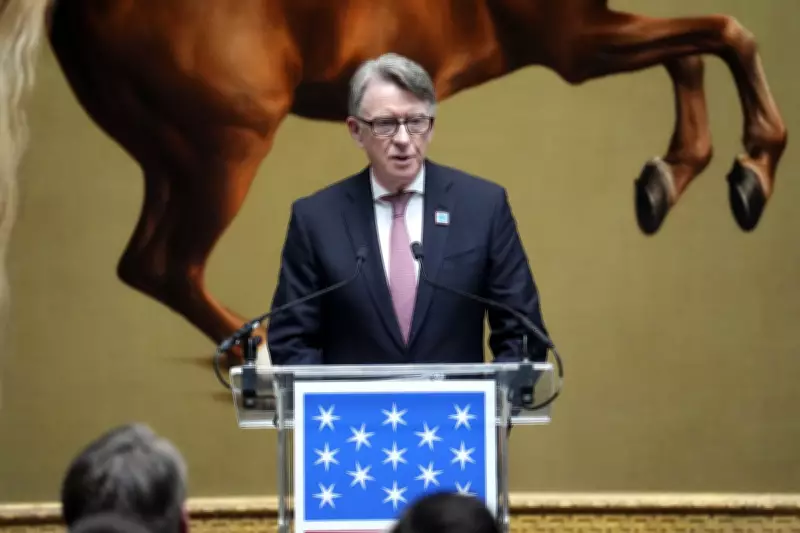
Mandelson Confronted with Demands to Repay Ambassador Payoff Following Epstein Scandal
Lord Peter Mandelson is facing escalating demands to return the substantial taxpayer-funded payoff he received after being dismissed from his role as ambassador to the United States. The controversy stems from his association with the convicted paedophile financier Jeffrey Epstein, which has triggered a significant political crisis in Westminster.
Payoff Figures and Political Fallout
According to reports from the Sunday Times, the peer received a payoff potentially reaching £55,000 before tax and deductions following his termination in September 2025. This sum was calculated based on his diplomatic service salary, estimated between £155,000 and £220,000 annually, qualifying him for a standard three-month severance package. The exact figures, however, are expected to be formally disclosed to Parliament after MPs successfully pushed for the release of documents related to his government tenure.
Allies of Prime Minister Sir Keir Starmer have publicly insisted that Lord Mandelson should either repay the money directly or donate it to a charity supporting victims of abuse. A senior Number 10 source explicitly stated, "Given what we know now, Mandelson should either pay the money back or give it to a charity to support victims." This sentiment was echoed by Health Secretary Wes Streeting, who remarked that the peer should "certainly" return the funds.
Investigation and Government Response
The Foreign Office has confirmed the launch of a formal review in response to newly revealed information concerning Lord Mandelson's conduct. A spokesperson explained, "Peter Mandelson's civil service employment was terminated in September 2025 in accordance with legal advice and the terms and conditions of his employment. A review has been instigated in light of further information that has now been revealed and the ongoing police investigation."
The Metropolitan Police are conducting a complex investigation into allegations of misconduct in public office against the 72-year-old peer. Deputy Assistant Commissioner Hayley Sewart indicated that the inquiry "will take some time" following comprehensive searches of his properties in London and Wiltshire.
Leadership Crisis and Internal Labour Party Strife
The scandal has severely damaged Sir Keir Starmer's political standing, with an Opinium poll revealing that 55% of British voters believe he should resign as Labour leader. His net approval rating has plummeted to minus 44, with only 17% of respondents expressing approval of his leadership. This turmoil has sparked intense speculation about a potential leadership contest within the Labour Party.
Internal divisions have surfaced publicly, with allies of potential successors Wes Streeting and former deputy prime minister Angela Rayner engaging in what has been described as "briefing wars." A friend of Ms Rayner suggested that MPs eager to install Mr Streeting as leader were "mad because he has been damaged by association with Mandy," while supporters of Mr Streeting criticized what they called Ms Rayner's "little helpers" for attempting to divert attention from her own tax controversies.
Historical Context and Broader Implications
The controversy deepens with the release of documents suggesting that Lord Mandelson, while serving as a government minister, leaked sensitive information about the global financial crisis response to Jeffrey Epstein. Former Prime Minister Gordon Brown, who appointed Lord Mandelson to the House of Lords and made him Business Secretary, expressed feelings of being "shocked, sad, angry, betrayed, let down" upon learning of these communications.
Deputy Labour Leader Lucy Powell acknowledged that the scandal could influence the upcoming Gorton and Denton by-election, noting that while it might resonate more with politically engaged voters, "prime ministers have to make judgement calls all day long and all the time, and sometimes they get them wrong." She added that Sir Keir had "put his hands up" about the appointment error.
Labour grandee Lord Blunkett warned that the only way to prevent a leadership challenge was for the party to "get your act together" and demonstrate tangible success to regain public trust. Meanwhile, the Deputy Prime Minister's office emphasized full support for Sir Keir, stating they are "focused on the job in hand" and committed to "delivering for the British people."