Whitehall in Turmoil Over Mandelson's US Ambassador Appointment
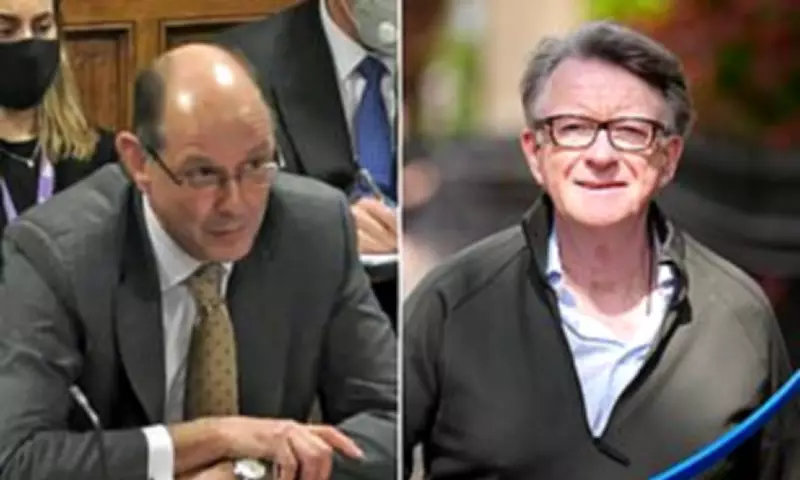
Even as Sir Philip Barton drafted the formal letter to King Charles III confirming Lord Mandelson's appointment as US ambassador in December 2024, he was acutely aware of the impending storm. The correspondence, dispatched on December 18th to Sir Clive Alderton, the King's private secretary, explicitly noted Foreign Secretary David Lammy's endorsement of the decision. However, Barton himself harbored profound reservations about this controversial diplomatic posting.
A Civil Servant's Valiant Resistance
As Permanent Under Secretary at the Foreign Office, Barton mounted a determined rearguard action against concerted pressure from Downing Street and the Cabinet Office. Their objective was clear: install the twice-sacked former Cabinet minister into what remains the diplomatic service's most sensitive and influential overseas posting. Barton's upcoming appearance before the Foreign Affairs Select Committee next week has sent shockwaves through Whitehall, with Downing Street fearing he may produce damning evidence about the appointment process.
The Cabinet Office's extraordinary intervention forms a central part of this controversy. Despite Mandelson's checkered public record, Cabinet Office officials aggressively advocated for him to bypass standard security vetting procedures. Their justification rested on his status as a three-time Cabinet minister, peer of the realm, and Privy Council member. Intriguingly, the most senior minister at the Cabinet Office during this period was Pat McFadden, Chancellor of the Duchy of Lancaster, whose close personal ties to Mandelson raise significant questions about impartiality.

Personal Connections and Professional Concerns
The relationship between McFadden and Mandelson extends back to 2008, when Mandelson received his peerage to become Business Secretary under Gordon Brown. McFadden served as his deputy and became Mandelson's crucial liaison in the House of Commons. Their friendship deepened over the years, culminating in McFadden being among the select few politicians invited to Mandelson's October 2023 wedding to long-term partner Reinaldo Avila da Silva.
Barton, a seasoned civil servant who had served as private secretary to four prime ministers including John Major and Tony Blair, remained undeterred by this political brinkmanship. His concerns were substantive and multifaceted. He expressed legitimate apprehension about Mandelson's commercial engagements with Chinese and Russian entities through Global Counsel, the lobbying firm he established after leaving government in 2010. Even more troubling were Mandelson's documented connections with convicted paedophile Jeffrey Epstein.
"Barton pushed back at the Cabinet Office as he thought serious vetting was essential and Mandelson should not be waved through just because he was a Privy Councillor," revealed a senior Whitehall source. "The issue went back and forth. But he wouldn't back down and the politicians became impatient."
Mounting Pressure and Controversial Exchanges
Even after vetting procedures commenced, political pressure to rubber-stamp the appointment intensified dramatically. Morgan McSweeney, then Sir Keir Starmer's powerful Downing Street chief of staff, allegedly told Barton: "Just f*****g approve it." This explosive claim was presented to Sir Olly Robbins during his Foreign Affairs Committee testimony on Tuesday, though McSweeney has categorically denied making the statement.
Throughout this fraught process, Barton championed the cause of Dame Karen Pierce, the outgoing US ambassador widely regarded as having performed exceptionally during President Joe Biden's administration. Pierce had already established valuable connections with the incoming Trump transition team, relationships Barton considered diplomatically crucial. Remarkably, Trump's transition team reportedly attempted to intervene on Pierce's behalf, alarmed by the prospect of Mandelson assuming the ambassadorial role.

Early Exit and Financial Settlement
By November 2024, the unrelenting pressure began taking its toll on Barton, who found himself isolated without even Foreign Secretary Lammy's support. The 62-year-old civil servant, who had planned to retire in 2026 after four decades of service, agreed to depart months earlier than intended. This decision entitled him to a substantial "voluntary exit compensation payment" of £262,185 under Civil Service Compensation Scheme terms, in addition to his 2024-25 salary package totaling £240,000 including bonuses.
Consequently, Mandelson's appointment received final approval on the Biden administration's last day in office—not from Barton, but from his successor and friend Sir Olly Robbins. This occurred weeks after the King had been formally notified of the decision, highlighting the protracted nature of the controversy.
Committee Investigation Looms
The Foreign Affairs Select Committee will scrutinize this entire episode next week through successive interviews with Morgan McSweeney and Barton. "When Philip left, he feared the Mandelson thing would blow up," the Whitehall source disclosed. "How right he was. Olly Robbins took over, knowing it was job done about Mandelson, and the vetting process seemed to be all about how quickly could they get it done."
Barton's supporters maintain he was effectively forced out for obstructing Mandelson's appointment. The committee will undoubtedly question whether this interpretation reflects reality. Should Barton confirm he departed before being pushed, the revelation that two permanent secretaries were sacrificed to ensure Sir Keir Starmer's preferred appointment proceeded would dramatically intensify pressure on the already beleaguered Prime Minister, potentially creating the most significant political crisis of his premiership to date.