Wealthy Campaigners Demand Higher Taxes on Super-Rich as Davos Meeting Begins
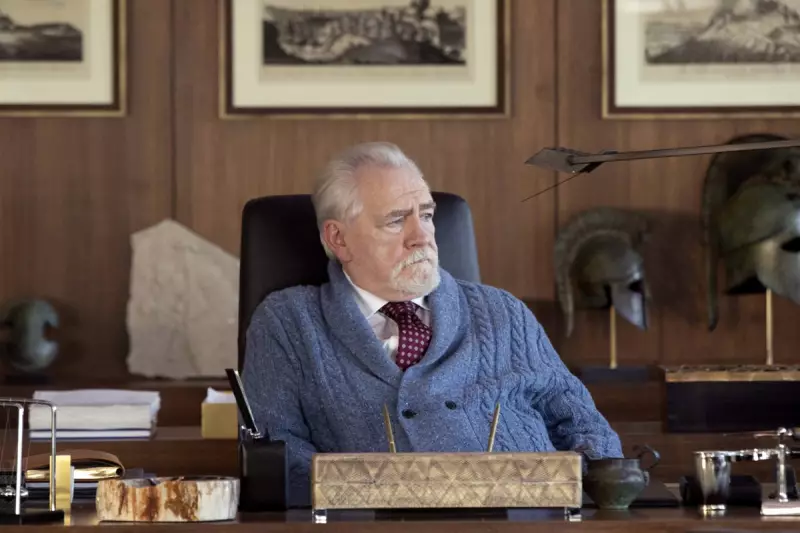
As the world's wealthiest individuals convene at the World Economic Forum in Davos, an unlikely coalition of millionaires is demanding political leaders impose higher taxes on the super-rich. Nearly 400 affluent individuals including actors Mark Ruffalo and Brian Cox, musician Brian Eno, and producer Abigail Disney have signed an open letter coordinated by Patriotic Millionaires, Millionaires for Humanity and Oxfam International.
The Growing Movement of 'Wealth Shame'
Julia Davies, an angel investor who sold her stake in premium backpack company Osprey for a "game-changing" sum, represents a growing phenomenon among the wealthy: what campaigners term "wealth shame." Growing up in a working-class Welsh family where money was unreliable, Davies now feels compelled to lobby for a fairer society rather than indulge in stereotypical millionaire luxuries.
"I think my background did make me more aware of wealth," Davies reflects. "When I finally came into serious money, I wasn't content to conform to the stereotypical picture of a self-serving multi-millionaire."

Polling Reveals Millionaires' Concerns About Wealth Influence
Research conducted by Patriotic Millionaires among 3,900 millionaires across G20 countries reveals startling attitudes within the wealthy class themselves:
- 77 percent believe extremely wealthy individuals buy political influence
- 69 percent think super-rich influence over politicians prevents action on inequality
- 62 percent consider extreme wealth a threat to democracy
The open letter states unequivocally: "When even millionaires, like us, recognise that extreme wealth has cost everyone else everything else, there can be no doubt that society is dangerously teetering off the edge of a precipice."
Extreme Wealth Inequality: A Threat to Democracy
Mark Ruffalo has drawn a direct connection between wealth concentration and political instability, blaming extreme inequality for enabling Donald Trump's rise and the "unique threat that he poses to American democracy." The actor argues this wealth concentration represents "the root cause of the trend towards authoritarianism we're witnessing in the US and around the world."
Statistics reveal the staggering scale of Britain's wealth gap, which has widened by 50 percent over the last eight years. The UK ranks seventh for income inequality among OECD countries, with the nation's 50 richest families holding more wealth than the poorest half of the population - approximately 34 million people.
The Psychology of Wealth Guilt
Christine Hargrove, president of the Financial Therapy Association, reports increasing numbers of wealthy clients struggling with "wealth shame" - a deep discomfort about having money whether inherited or earned. "Many of them feel like they have to hide money-related aspects of their past or present, otherwise they'll be on the front lines of the class war," Hargrove explains.
Dr Lawrence Howells, clinical psychologist and author of Understanding Your 7 Emotions, suggests guilt can serve positive social functions: "Guilt serves important functions in our lives and in our wider society, and is usually helpful. It's an energising emotion: it drives us to act."
From Philanthropy to Systemic Change
While traditional philanthropy remains popular among the ultra-wealthy, campaigners argue it fails to address systemic issues. Phil White, a former engineer who made millions selling his consulting firm, joined Patriotic Millionaires after pandemic experiences highlighted inequality.
"Philanthropy alone dabbles at the edges; the scale isn't big enough," White contends. "Only governments can actually do that. That's why I believe we need wealth taxation."
According to Patriotic Millionaires research, 80 percent of millionaires support a wealth tax of 2 percent on anything over £10 million. The organisation aims to "leverage the voice of wealth to build a better Britain by changing the system to end extreme wealth."

Celebrity Voices Join the Campaign
Grammy and Oscar winner Billie Eilish recently challenged billionaires during an awards ceremony attended by Meta CEO Mark Zuckerberg and his wife Priscilla Chan: "I'd say if you have money, it would be great to use it for good things, maybe give it to some people that need it. And if you're a billionaire, why are you a billionaire? And no hate, but give your money away."
Julia Davies has channeled her wealth into environmental initiatives, founding the We Have The POWER fund focusing on rewilding and nature restoration. She argues that true satisfaction comes from meaningful action rather than consumption: "Overconsumption is just like junk food - it's not really very satisfying at all. I think true happiness in life comes from doing good stuff with good people."
As the Davos meeting continues, these wealthy campaigners hope their message will prompt serious discussion about wealth taxation and inequality. With a recent Fairness Foundation report warning that increasing wealth inequality could drive "societal collapse" within the next decade, their campaign takes on added urgency.