Millionaires Demand Wealth Taxes as 'Wealth Shame' Drives Calls for Economic Justice
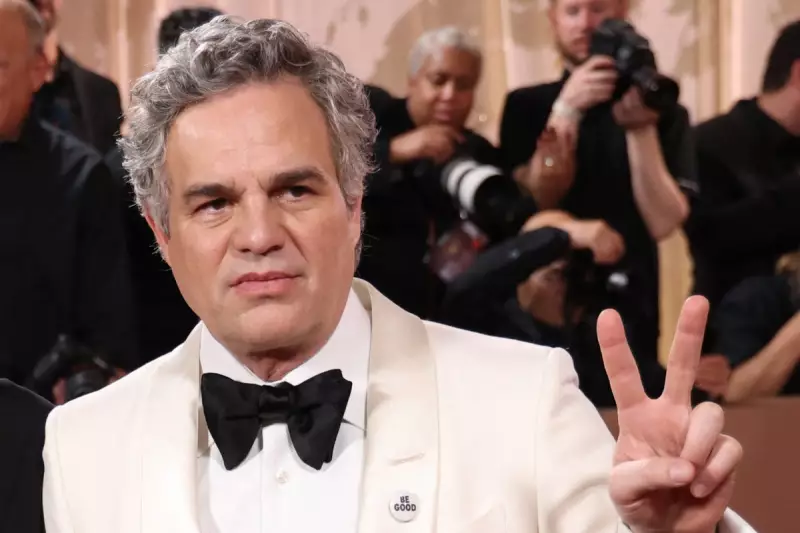
An unprecedented coalition of nearly 400 millionaires has issued a powerful call for higher taxes on the super-rich, arguing that extreme wealth concentration poses an existential threat to democracy worldwide. The open letter, signed by prominent figures including actors Mark Ruffalo and Brian Cox, musician Brian Eno, and producer Abigail Disney, represents a growing movement of wealthy individuals experiencing what campaigners term 'wealth shame' – a profound discomfort with economic inequality that's driving them to demand systemic change.
The Patriotic Millionaires Movement Gains Momentum
The letter, coordinated by Patriotic Millionaires, Millionaires for Humanity, and Oxfam International and timed to coincide with the World Economic Forum in Davos, delivers a stark warning to political leaders. "When even millionaires, like us, recognise that extreme wealth has cost everyone else everything else, there can be no doubt that society is dangerously teetering off the edge of a precipice," the signatories declare. "We are worn out watching this happen. We want our democracies back. We want our communities back. We want our future back."
This sentiment is supported by compelling data from Patriotic Millionaires' polling of 3,900 millionaires across G20 countries. The research reveals that 77 percent believe extremely wealthy individuals buy political influence, 69 percent think the super-rich's influence over politicians prevents action on inequality, and 62 percent view extreme wealth as a direct threat to democratic institutions.

Wealth Inequality Reaches Critical Levels
The UK presents a particularly concerning case study in wealth concentration. Recent analysis shows the country's wealth gap has widened by 50 percent over the last eight years, with Britain ranking seventh for income inequality among OECD nations. The scale of disparity is staggering: the UK's 50 richest families now hold more wealth than the poorest half of the population – approximately 34 million people. Meanwhile, the nation's two wealthiest billionaires possess greater fortunes than the entire Times Rich List from 1990.
Mark Ruffalo has drawn a direct connection between this economic reality and political developments, arguing that extreme wealth inequality "enabled Donald Trump's every step, and is the root cause of the trend towards authoritarianism we're witnessing in the US and around the world." The actor insists that "if leaders at Davos are serious about the threat to democracy and the rule of law, they must get serious about combatting extreme wealth concentration."
The Psychology of 'Wealth Shame'
Julia Davies, an angel investor from a working-class Welsh background who sold her stake in premium backpack company Osprey for a "game-changing" sum, exemplifies the complex emotional landscape wealthy individuals navigate. "Feeling shame is a normal human emotion. And it's the right emotion," she asserts regarding responses to extreme wealth. "No one's going to love me for saying that, but I think we accept extreme levels of bad behaviour from rich people."
Christine Hargrove, president of the Financial Therapy Association, reports increasing numbers of wealthy clients struggling with 'wealth shame'. "Many of them feel like they have to hide money-related aspects of their past or present, otherwise they'll be on the front lines of the class war," she observes. Hargrove notes society's contradictory attitudes toward wealth: "We hold up passing down wealth to future generations as an important indicator of having 'made it' financially, but talk about individuals who inherit wealth with disdain."
From Guilt to Action: Wealthy Campaigners Push for Systemic Change
Phil White, a former engineer who made millions selling his consulting firm, experienced his own reckoning during the pandemic. "We saw people in inner cities really struggling with day-to-day life while I was out in the countryside enjoying the birdsong," he recalls. This stark contrast prompted him to join Patriotic Millionaires and advocate for wealth taxation. According to the group's research, 80 percent of millionaires support a 2 percent wealth tax on assets exceeding £10 million.

Dr Lawrence Howells, clinical psychologist and author of "Understanding Your 7 Emotions", explains the psychological mechanism at work: "Guilt serves important functions in our lives and in our wider society, and is usually helpful. It's an energising emotion: it drives us to act." For wealthy individuals experiencing guilt about economic inequality, this emotion can motivate campaigning for fairer systems or directing resources toward positive social impact.
Beyond Philanthropy: The Case for Systemic Solutions
While philanthropy remains the traditional route for wealthy individuals to "do their bit", campaigners argue it falls short of addressing root causes. "Philanthropy alone dabbles at the edges; the scale isn't big enough," contends Phil White. "Only governments can actually do that. That's why I believe we need wealth taxation."
Julia Davies has channeled her resources into environmental initiatives, founding the We Have The POWER fund focused on rewilding and nature restoration. Similarly, Billie Eilish used her platform at last year's WSJ Magazine Innovator Awards to challenge billionaires in attendance, including Meta CEO Mark Zuckerberg: "I'd say if you have money, it would be great to use it for good things, maybe give it to some people that need it. And if you're a billionaire, why are you a billionaire? And no hate, but give your money away."
As wealth inequality continues to accelerate – with Oxfam's "Takers Not Makers" report finding billionaires grew wealthier three times faster in 2024 than in 2023 – the movement of wealthy individuals advocating for systemic change represents a significant development in the global conversation about economic justice. With a Fairness Foundation report warning that increasing wealth inequality could drive "societal collapse" within the next decade, the voices of millionaires calling for wealth taxation may prove crucial in shaping policy responses to one of our era's defining challenges.