Cabinet Minister Defends Starmer's Leadership Amid Mandelson Scandal Fallout
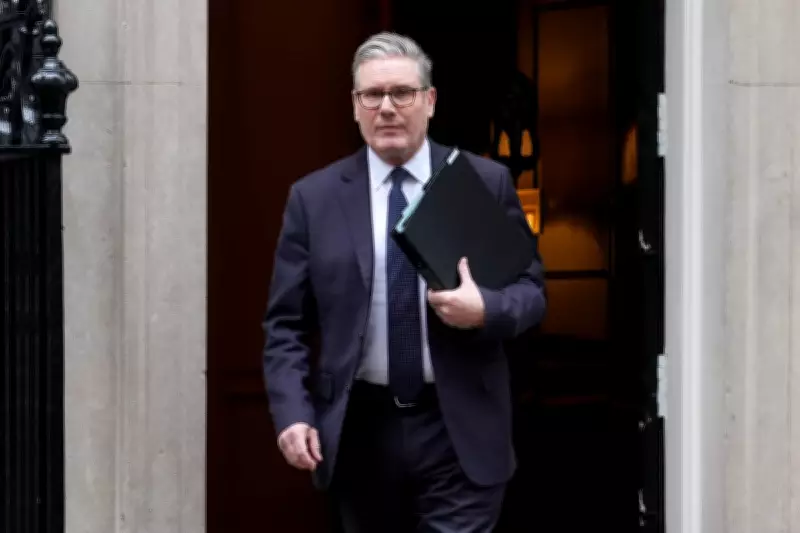
Housing Secretary Steve Reed has robustly defended Prime Minister Sir Keir Starmer, insisting his premiership remains secure despite mounting anger within the Labour Party over the controversial appointment of Lord Peter Mandelson as UK ambassador to the United States. The Cabinet minister argued that Sir Keir was deliberately misled by the peer regarding the true extent of his connections to the convicted sex offender Jeffrey Epstein.
"Taken at His Word": The Defence of Prime Ministerial Judgment
Speaking during Thursday's media rounds, Mr Reed, a noted Starmer loyalist, stated unequivocally that the Prime Minister was not "at fault" in the unfolding scandal. He claimed Lord Mandelson had assured officials that his relationship with Epstein was minimal and had effectively ended, assertions that were accepted during the standard vetting process. "You're only as good as the information you receive," Mr Reed emphasised, shifting blame towards the established appointment procedures rather than the Prime Minister's decision-making.
The minister elaborated that the vetting process failed to uncover evidence contradicting Lord Mandelson's account of his ties to Epstein. Consequently, the appointment was made based on the peer's considerable political experience as a former EU trade commissioner and UK business secretary. Mr Reed asserted that Lord Mandelson had "conned everybody" through deception and manipulation, making him the primary culprit in this affair.
Mounting Pressure from Labour Backbenchers and Internal Criticism
Despite Mr Reed's staunch defence, significant discontent simmers among Labour MPs, with many directing their fury towards the Prime Minister's chief of staff, Morgan McSweeney. Several backbenchers have called Mr McSweeney's political judgment into serious question, demanding his resignation over his role in facilitating Lord Mandelson's prestigious diplomatic posting to Washington.
One anonymous Labour MP told the Press Association that Mr McSweeney "needs to go, he's a total liability and like Mandelson is only interested in himself." The MP added a grim prediction regarding Sir Keir's tenure, suggesting the Prime Minister "doesn't have much time left" and has only himself to blame for the crisis. Another MP criticised the failed strategic management of the situation, noting that such failures were not isolated incidents.
Paula Barker, Labour's deputy chairwoman of the Standards Committee and Privileges Committee, offered measured criticism. While she described Sir Keir's judgment in the saga as "questionable," she stopped short of calling for his resignation. Regarding Mr McSweeney, she told the BBC's Today programme that serious questions needed answering, noting that "when your chief of staff becomes the story, then often it's time for them to go."
Government Backs Down on Document Release Amid Parliamentary Mutiny
The scandal has also ignited a fierce row over transparency. Downing Street initially attempted to control the release of potentially explosive documents detailing how the decision to appoint Lord Mandelson was made. This move provoked a mutiny among Labour MPs, led by former deputy prime minister Angela Rayner.
Facing this rebellion, the Government was forced to back down on Wednesday. It ceded authority to Parliament's Intelligence and Security Committee, which will now determine what material can be released to the public. Mr Reed stated the Government's desire to publish documents showing "what the Prime Minister saw when Peter Mandelson lied to him" as swiftly as possible. However, this release faces potential delays after the Metropolitan Police requested the Government withhold any publication that might "undermine" its investigation into the peer allegedly passing confidential government information to Epstein.
Scrutiny of Vetting Procedures and Calls for Reform
Mr Reed acknowledged that the vetting procedure itself was now under intense scrutiny. He confirmed it "will be looked at," describing the fault as lying with a "long-established process" that predates the current Government and was followed routinely for such high-level appointments. This admission points towards potential future reforms in how candidates for sensitive diplomatic roles are assessed, particularly regarding their personal associations and past conduct.
The minister's defence forms a central pillar of the Government's effort to contain the political damage, framing the Prime Minister as a victim of deceit rather than a perpetrator of poor judgment. Whether this narrative will placate furious backbenchers and reassure the public remains a critical unanswered question as the scandal continues to dominate Westminster.