Morgan McSweeney: The Strategic Mastermind Behind Labour's Political Revival
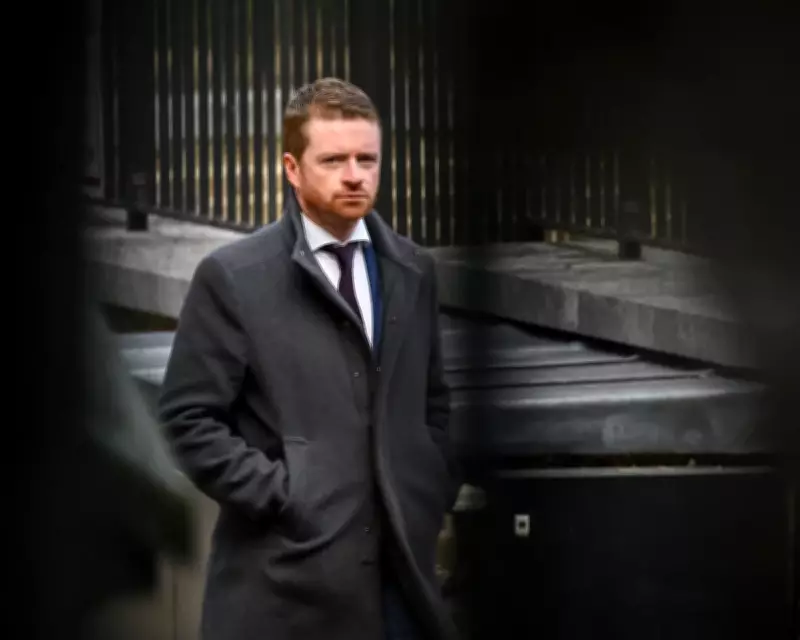
In the turbulent world of British politics, few figures have wielded as much influence behind the scenes as Morgan McSweeney, the architect of Labour's dramatic comeback. As the party's campaign director, McSweeney has been instrumental in transforming Labour from a fractured opposition into a formidable electoral force, reshaping its strategy and messaging with precision and foresight.
From Grassroots Organising to National Strategy
McSweeney's journey into political strategy began with grassroots activism, where he honed his skills in community engagement and voter mobilisation. His early work involved door-knocking campaigns and local organising, experiences that instilled in him a deep understanding of the electorate's pulse. This hands-on approach has remained a cornerstone of his methodology, emphasising data-driven insights and personal connections over abstract ideology.
Over the years, McSweeney has built a reputation as a meticulous planner, known for his ability to analyse polling data and demographic trends to craft targeted campaigns. His strategic acumen was particularly evident in Labour's recent by-election victories, where his focus on local issues and candidate selection proved decisive. By prioritising pragmatic policies over partisan rhetoric, he has helped Labour appeal to a broader swath of voters, including those in traditionally Conservative-held areas.

Shaping Labour's Modern Identity Under Keir Starmer
Under the leadership of Keir Starmer, McSweeney's role has expanded to encompass broader party reforms, including internal restructuring and communication overhauls. He has been a key advocate for modernising Labour's outreach efforts, leveraging digital tools and social media to amplify its message. This shift has not only improved the party's public image but also enhanced its fundraising capabilities, with donations increasing significantly under his stewardship.
McSweeney's influence extends beyond campaign tactics to policy development, where he encourages a focus on issues that resonate with everyday concerns, such as economic stability and public services. By steering Labour away from divisive debates and toward practical solutions, he has fostered a more unified and electable party. His collaborative style, working closely with MPs and activists alike, has helped mend internal rifts and build a cohesive team dedicated to electoral success.
The Impact of McSweeney's Strategies on Recent Elections
The tangible results of McSweeney's strategies are clear in Labour's recent electoral performances, including gains in local councils and parliamentary seats. His emphasis on disciplined messaging and robust ground operations has enabled the party to capitalise on public discontent with the incumbent government. For instance, in key marginal constituencies, his targeted campaigns have successfully swayed undecided voters by highlighting Labour's competence and vision.
Looking ahead, McSweeney continues to refine Labour's approach, preparing for future general elections with a focus on sustainability and adaptability. His legacy is one of resilience and innovation, proving that strategic brilliance can indeed revive a political movement from the brink. As Labour positions itself for potential governance, McSweeney's behind-the-scenes work remains a critical factor in its ongoing resurgence, embodying the quiet power of effective political strategy.