MPs Override Police to Approve Mandelson-Epstein Files Release
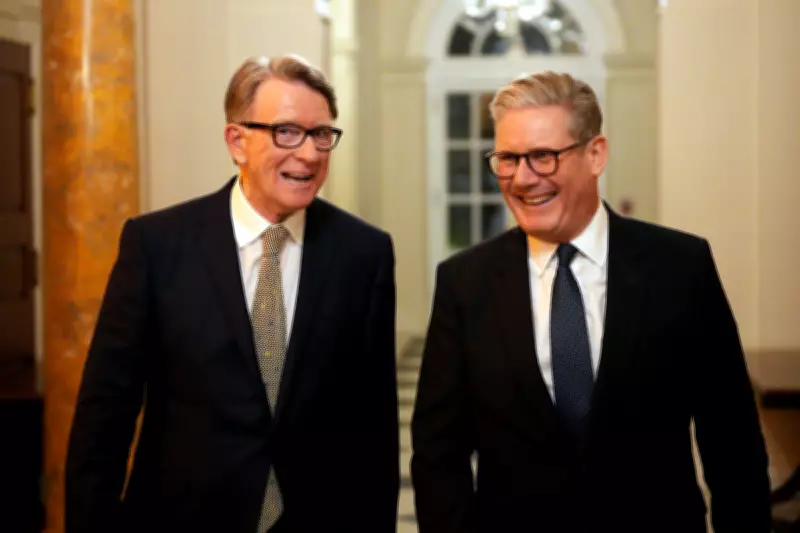
In a significant parliamentary development, MPs have approved the release of documents concerning Lord Peter Mandelson's appointment as British ambassador to the United States. This decision follows a dramatic climbdown by Prime Minister Sir Keir Starmer, whose proposed amendment to restrict the publication faced fierce opposition from within his own party.
Starmer's Humiliating Retreat
Sir Keir Starmer tabled an amendment specifying which documents relating to Lord Mandelson's controversial appointment could be released to the public. However, this move sparked immediate backlash from Labour backbenchers, including former deputy prime minister Angela Rayner. Ms Rayner aligned with Conservative arguments that all relevant papers should be forwarded to the Intelligence and Security Committee for scrutiny.
The prime minister had initially proposed a manuscript amendment with minimal notice, seeking to withhold documents deemed "prejudicial to UK national security or international relations." Under mounting pressure from his own MPs, Starmer was forced to accept that the Intelligence and Security Committee – comprising MPs and peers – would ultimately determine which documents would see the light of day.

Police Objections Overruled
The Metropolitan Police had requested that the government refrain from publishing certain documents, arguing that their release could undermine ongoing investigations. However, Speaker Sir Lindsay Hoyle firmly asserted that the police force held no jurisdiction over parliamentary proceedings, clearing the path for the Commons to proceed with its decision.
Minister Chris Ward confirmed to the Commons that while material would not be released immediately due to police consultations, it would be published "as quickly as possible" following the established parliamentary process. He acknowledged the substantial volume of documents requiring review, noting that similar humble addresses have historically taken "weeks or months" to complete.
Mandelson's Dramatic Fall
Lord Mandelson has officially retired from the House of Lords following revelations from files released by the US Department of Justice last Friday. These documents appear to show that while serving as business secretary in Gordon Brown's Labour administration, Mandelson leaked sensitive government information to Jeffrey Epstein.
The controversy has triggered a cascade of consequences for the former minister, who has resigned from the Labour Party, been removed from the Privy Council, and now faces a criminal investigation. Prime Minister Starmer has admitted he was aware of Mandelson's relationship with Epstein when making the ambassadorial appointment, placing his judgement under intense scrutiny.
Labour Rebellion Intensifies
The growing scandal has ignited serious questions about Sir Keir Starmer's political future, with Labour's Mainstream group calling for a "clean break" following what they describe as the "betrayal" of Mandelson's appointment. This centre-left grouping, backed by Manchester Mayor Andy Burnham – long considered a potential leadership rival to Starmer – warned against the party succumbing to "elite privilege, spin and toxic factionalism."
Meanwhile, political commentator Andrew Marr has declared that "we have entered the final stage of the Starmer premiership," suggesting there is "no way back for the Prime Minister" following the damaging revelations.
Broader Political Implications
As the controversy continues to unfold, Sir Keir Starmer has attempted to shift focus to broader national concerns, warning that communities' "devastating decline" could imperil national security. The prime minister announced £800 million in new funding to revitalise decrepit high streets, framing the political landscape as "a contest between renewal and grievance."
However, with the Epstein files threatening to eclipse these policy announcements, and comparisons being drawn to historic scandals like the Profumo affair, the Labour administration faces mounting pressure to address the fundamental questions about judgement and transparency that the Mandelson appointment has raised.