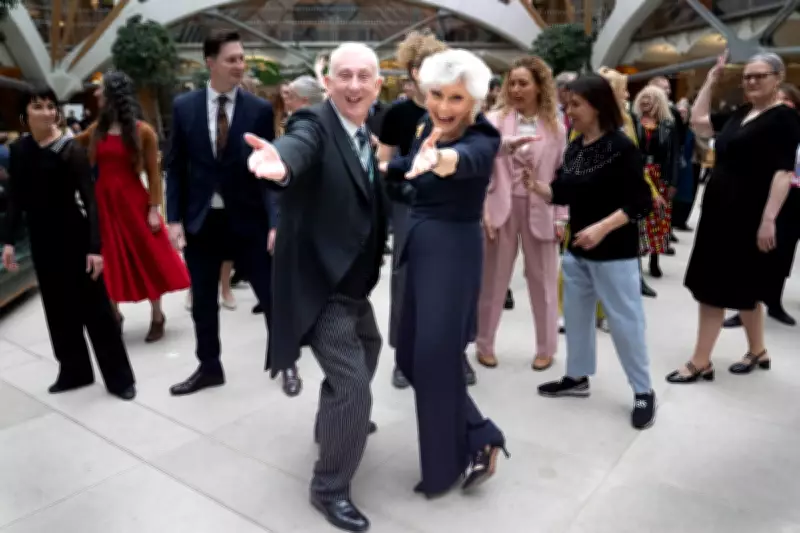
Westminster's Dancing MPs Hit New Low Amid Global Crises
Parliament has stumbled upon a fresh rock bottom through a cross-party effort that showcases spectacularly poor judgment. The latest self-own involves MPs cheerfully participating in a group cha-cha-cha at Portcullis House, orchestrated by Strictly Come Dancing alumni, while the world faces grave international tensions.
Diplomatic Departure and Dancing Disasters
The week's dismay began with young diplomat Ameer Kotecha's scorching resignation letter to The Times, detailing his exit from the Foreign Office after just five months. Kotecha cited being "invited to mark World Afro Day" as Kabul fell to the Taliban as one ignominy among many. His call for greater ministerial control over civil servants arrives amid Kemi Badenoch's widely criticized handling of Iran policy, raising serious concerns about governmental competence.
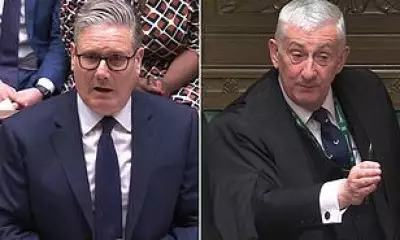
Simultaneously, MPs from across party lines gathered for what can only be described as an ill-timed dance spectacle. Sir Lindsay Hoyle and Angela Rippon led the cha-cha-cha through parliamentary corridors, creating optics that Labour MP Zarah Sultana rightly condemned as "completely inappropriate while the world teeters on the brink of World War Three."

The Optics Problem and Public Perception
There exists something powerfully irksome about British politicians demonstrating zero rhythm while critical legislation languishes. The image triggers public frustration comparable to Nigel Farage's reaction to working from home suggestions: perceptions of laziness and wasted resources. MPs engaging in choreographed routines during office hours, regardless of celebrity involvement or catering temptations, reinforces damaging narratives about parliamentary priorities.
This spectacle inevitably evokes memories of delayed bills awaiting debate, the silent tribute to Sarah Everard five years after her murder with minimal safety improvements, and endless "MPs dance as the Middle East burns" commentary. The visual echoes Theresa May's wobbly conference entrances and Boris Johnson's lumbering movements, becoming symbolic of broader governance failures.
Broader Implications for Democracy
Parliament functions as both a giant bureaucratic organization with its own intranet and HR protocols, and as the living picture of British democracy. As democracy faces unprecedented challenges globally, particularly in the United States, such displays undermine public confidence at precisely the wrong moment. Britons traditionally maintain a superior self-image, however tenuous, and require their representatives to project seriousness amid crisis.
While humanizing moments and laughter have their place in politics, en masse dance performances during working hours send entirely the wrong message. They provide easy ammunition for critics and enemies alike, scoring zero points for political judgment. The civil service continues its diligent work despite systemic flaws, yet such spectacles overshadow genuine efforts toward national improvement.
Ultimately, unless MPs document every activity on social media for transparency, they must exercise far greater cleverness about public engagements. The dancing debacle represents not just poor optics but a fundamental misreading of the national mood during precarious times.