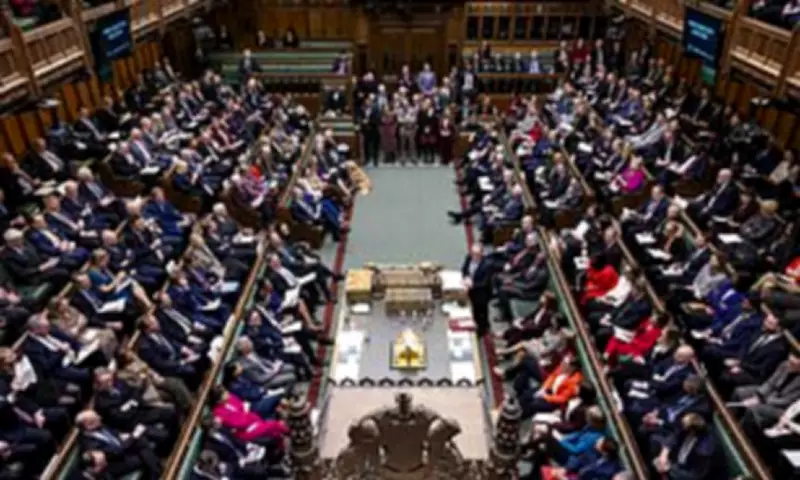
MPs Granted Inflation-Busting Pay Increase as Households Struggle with Rising Taxes
Members of Parliament have been handed a substantial pay rise today, a move that is expected to provoke significant anger among voters across the United Kingdom. While ordinary households continue to grapple with financial pressures and increasing taxation, Westminster's expenses watchdog has announced that MPs will receive a 5 per cent salary hike. This decision is attributed to their growing workload and the rising levels of 'abuse and intimidation' they face in their roles.
Salary Details and Public Sector Comparisons
The pay increase will elevate MPs' annual salaries to £98,599 in the upcoming financial year. This figure is more than double the UK average salary of £39,000, positioning MPs on a trajectory to earn approximately £110,000 per annum by the conclusion of the current parliament. The rise comprises a 3.5 per cent 'cost of living uplift', valued at £3,300, which is nominally intended to address escalating bills but can be utilised for any purpose, alongside a further 1.5 per cent 'benchmarking adjustment' based on comparisons with similar roles.
Notably, this increase surpasses the pay rises awarded to most other public sector workers. It also exceeds the 3.3 per cent rise announced by the Government last month for NHS staff, including nurses in England and Wales, highlighting a disparity that has drawn sharp criticism.

Criticism from Taxpayer Advocates
John O'Connell, chief executive of the TaxPayers' Alliance, expressed strong disapproval, stating that taxpayers will be 'seething to see politicians receive an inflation-busting pay rise, all while they suffer a personal recession'. He elaborated, 'After years of broken promises, falling living standards and deteriorating public services, MPs are being rewarded for failure with a princely pay boost. Politicians should not be insulated from the consequences of their own actions. Their pay should be linked to real living standards measured by GDP per capita.'
Rationale from the Independent Parliamentary Standards Authority
The Independent Parliamentary Standards Authority (Ipsa), responsible for setting MPs' pay since its establishment in 2009 following the expenses scandal, defended the decision. Ipsa cited the evolving role of MPs, including higher levels of complex constituency casework and increased incidents of abuse and intimidation towards MPs and their staff. The watchdog stated that it had 'benchmarked' the salaries of Westminster politicians against those of senior public-sector workers and parliamentarians in comparable democracies.
Ipsa chairman Richard Lloyd remarked, 'The role of an MP has evolved. They are dealing with higher levels of complex casework, and abuse and intimidation towards MPs and their staff has been growing. In reaching our decision... we have benchmarked MPs' pay against other responsible, senior roles in civic society and similar worldwide democracies, as well as considering our core principles and wider economic context. In future years we will continue to consider prevailing economic and fiscal conditions when confirming annual pay decisions, taking into account the experience of people outside of Parliament.'
Broader Implications and Tax Considerations
The pay rise also extends benefits to peers, as their tax-free daily allowance is linked to MPs' salaries, set to increase from £371 to £390. Additionally, this development is likely to reignite debate surrounding the £100,000 'cliff-edge', where workers face an effective 60 per cent tax rate on earnings between £100,000 and £125,140. Once MPs earn above £100,000, they would lose their tax-free personal allowance of £12,570 and their entitlement to 30 hours per week of free childcare, which can amount to an annual cost of £9,600.
Reports indicate that some ministers have already considered not taking their full salary to avoid this tax trap, and by the end of this parliament, backbench MPs will confront the same dilemma. This situation underscores the complex financial dynamics at play within Westminster, further fuelling public discontent over the perceived inequity of the pay rise during a period of widespread economic hardship.