Parliamentary Speeches on Immigration Move Sharply to the Right
A groundbreaking investigation by the Guardian has uncovered a significant shift in the rhetoric used by MPs in parliamentary debates on immigration. The analysis, spanning 100 years of Commons speeches, shows that both Labour and Conservative politicians are now employing more hostile language than at almost any point in the past century.
Unprecedented Rightward Turn in Political Language
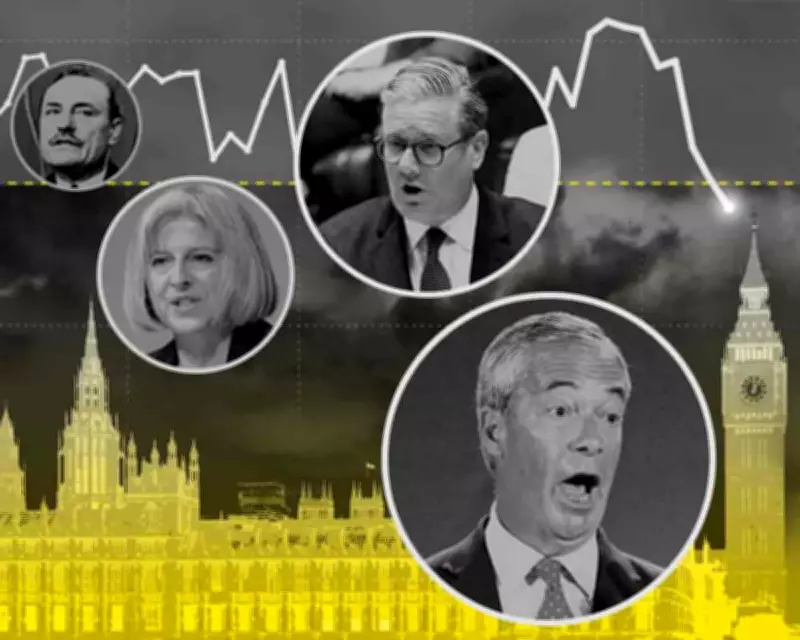
The study reveals a dramatic rightward turn in how immigration is discussed, with the steepest swing from positive to negative sentiment occurring within just the past five years. Researchers indicate that MPs from the two main parties appear increasingly engaged in a competition to sound the toughest on immigration, a trend that has intensified following the rise of Nigel Farage's Reform UK.
Carmen Aguilar García, the Guardian's data projects editor, noted that upon returning from maternity leave in 2025, she was struck by the hardening political rhetoric. "When I reconnected with the project, Keir Starmer delivered the 'island of strangers' speech. That felt like a shock to me," she said. Although this specific speech was not included in the analysis, it highlighted a broader shift.

Historical Context and Key Findings
The investigation examined key historical periods, including both world wars and episodes of racial unrest like the Brixton riots, to assess how major events influenced parliamentary rhetoric. Positive sentiment in debates peaked in 2018, possibly reflecting a post-Brexit calm and national support for Windrush scandal victims, before plummeting sharply.
Carmen pointed out that the interwar years were particularly striking, as Britain encouraged emigration across the Empire while restricting immigration into the country. The 1950s also showed a shift, starting with a welcoming attitude toward Irish, Windrush, and south Asian migrants due to post-war labour needs, but turning negative after the Notting Hill and Nottingham riots.
Labour's Downward Trajectory on Immigration Rhetoric
For Labour, significant changes occurred in 2006 under Tony Blair's premiership and again after 2020 under Keir Starmer's leadership. Initially progressive, Starmer's commitments were scaled back, with the party adopting a tougher stance, including proposals from Home Secretary Shabana Mahmood to limit human rights applications for deportations.
Despite softening aspects of its messaging in September, Labour's position remains fluid, as seen in the rollout of "Denmark-style" immigration proposals. The influence of Reform UK, despite having only five MPs during the study period, has been outsized, pressuring mainstream parties to adopt more negative rhetoric.
Methodology Behind the Investigation
The Guardian's data projects and data science teams collaborated with University College London to build a bespoke machine learning model for this analysis. Over nearly two years, they gathered Commons debates, broke them into fragments, and used a combination of Large Language Models and manual annotations by 12 people to classify sentiment as positive, negative, or neutral.
This supervised model was trained to account for nuances like sarcasm or quoted disagreements, ensuring accurate measurement of rhetoric. Carmen described the result as an "extraordinary piece of work" that quantified shifts many perceived but lacked evidence for.
Broader Implications and Future Outlook
The findings suggest that progressive parties like the Greens and Liberal Democrats have had minimal impact on the overall political tone compared to Reform UK. With net migration peaking in 2023 and public perception often misaligned with reality, the race to the bottom in immigration rhetoric shows no signs of abating.
As local elections approach, they may offer insights into whether recent recalibrations in messaging have any political effect. However, the entrenched hostile language frames migrants increasingly as criminals, marking a historic low in parliamentary discourse on immigration.