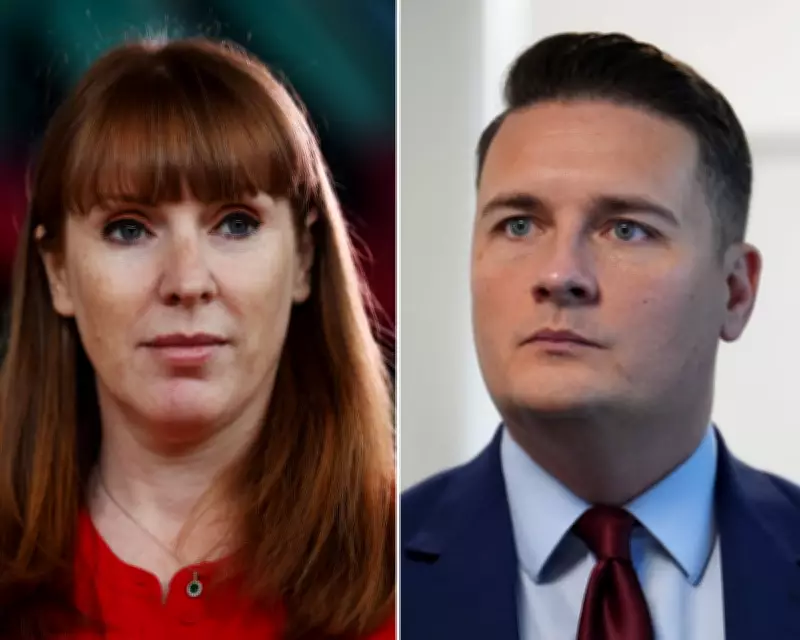
In a revealing turn of events, Labour Members of Parliament have voiced deep-seated frustrations over the absence of a credible challenger to oust Keir Starmer from his position as party leader. This sentiment has been brewing for months, with many insiders suggesting that the party's internal dynamics have reached a critical juncture.
Growing Discontent Among Labour MPs
Sources within the Labour Party indicate that a significant faction of MPs is increasingly disillusioned with Starmer's leadership style and strategic direction. They argue that his approach has failed to galvanise the party's base or present a compelling alternative to the current government. This discontent is not merely anecdotal; it reflects broader concerns about Labour's electoral viability in upcoming polls.
Missed Opportunities and Political Calculations
Several MPs have privately admitted that the lack of a challenger is not due to a lack of willing candidates but rather a complex web of political calculations. Factors such as timing, party unity, and the perceived risks of a divisive contest have all contributed to this stalemate. As one senior MP remarked, "If someone had pulled the trigger, we might be in a very different position today." This statement underscores the regret felt by those who believe a leadership challenge could have reshaped the party's trajectory.

Impact on Party Morale and Public Perception
The ongoing uncertainty has taken a toll on Labour's morale, with activists and supporters expressing confusion over the party's message. Publicly, Starmer maintains a facade of confidence, but behind closed doors, the cracks are beginning to show. This internal strife risks alienating voters who are looking for a stable and coherent opposition.
Historical Context and Future Implications
Historically, leadership challenges within the Labour Party have often been pivotal moments, leading to significant shifts in policy and public appeal. The current reluctance to challenge Starmer may stem from fears of repeating past mistakes or triggering a prolonged period of infighting. However, as the next general election looms, the pressure is mounting for decisive action.
Looking ahead, the absence of a challenger could have far-reaching consequences. If Starmer fails to improve Labour's standing in the polls, calls for a leadership contest may intensify, potentially forcing a messy and public confrontation. Alternatively, if he manages to rally support, this period of discontent might be remembered as a temporary blip. Either way, the situation highlights the delicate balance between loyalty and ambition in modern politics.
In summary, Labour MPs are grappling with a profound sense of missed opportunity, as the lack of a leadership challenge to Keir Starmer continues to shape the party's internal and external dynamics. The coming months will be crucial in determining whether this frustration translates into concrete action or fades into the background of political history.