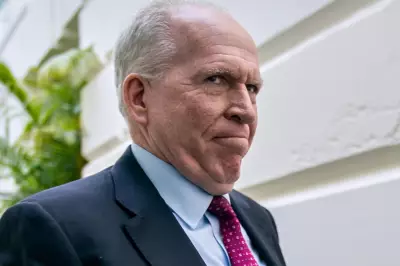
A prominent spokeswoman for Immigration and Customs Enforcement (ICE) under the administration of Kristi Noem has abruptly resigned from her position at the Department of Homeland Security. The departure follows her inflammatory public comments, where she referred to slain protesters outside an ICE facility as 'domestic terrorists.'
Controversial Remarks Spark Immediate Backlash
The official, who had been one of Noem's most loyal supporters within the federal agency, made the remarks during a recent media briefing. Her characterisation of the protesters, who were killed during demonstrations in Minneapolis, quickly ignited a firestorm of criticism from civil liberties groups, political opponents, and some members of the public.
Advocates for free speech and protest rights condemned the language as excessively harsh and potentially dangerous, arguing it could stigmatise legitimate dissent. Meanwhile, supporters of stricter immigration enforcement defended the spokeswoman's right to express strong views, though many acknowledged the political sensitivity of the situation.

Political Fallout for Kristi Noem
This resignation represents a significant setback for Kristi Noem, who has positioned herself as a staunch advocate for robust immigration policies. The loss of a key ally within Homeland Security may weaken her influence on federal immigration matters and could fuel internal debates about the tone and strategy of her administration's approach.
Political analysts suggest that the incident could have broader implications for Noem's standing, particularly as she navigates complex issues surrounding law enforcement, public protest, and national security. The timing is especially delicate, given ongoing national conversations about the balance between security and civil liberties.
Broader Implications for Homeland Security
The departure raises questions about the internal culture and communication protocols within ICE and the wider Department of Homeland Security. Officials are now likely to review policies regarding public statements by agency representatives to prevent similar controversies in the future.
Furthermore, this event may influence how federal agencies interact with protest movements and handle dissenting voices, setting a precedent for the language used in official discourse. The incident underscores the challenges faced by government bodies in maintaining both security and public trust in a polarised political climate.
As the story continues to develop, observers are watching closely to see how Noem and her team respond to this crisis. The resignation marks a pivotal moment in the ongoing debate over immigration enforcement and the limits of rhetorical force in public service.