A new Reuters-Ipsos poll has revealed that only one in four Americans support Donald Trump's recent airstrikes on Iran, with a majority expressing concern over the president's willingness to deploy military force. The survey, conducted during the ongoing Operation Epic Fury, highlights deep public divisions as the conflict escalates.
Low Public Approval for Military Action
According to the poll, just 27 percent of respondents approved of the airstrikes, which were carried out jointly with the Israeli military in the early hours of Saturday. In contrast, 43 percent disapproved, and 29 percent remained unsure. The strikes targeted approximately 40 top Iranian officials in Tehran, including former president Mahmoud Ahmadinejad and reportedly resulting in the death of Supreme Leader Ayatollah Ali Khamenei.
Widespread Concern Over Use of Force
The poll found that 56 percent of Americans believe President Trump is too quick to use force to advance U.S. interests. This view is held by 87 percent of Democrats, but notably, almost one in four Republicans (23 percent) also share this concern. The sentiment follows recent military actions in Syria, Nigeria, and Venezuela, suggesting growing unease with the administration's foreign policy approach.

Partisan Divides and Casualty Concerns
While 55 percent of Republicans expressed approval for the Iran strikes, the poll uncovered significant reservations. Forty-two percent of Republicans stated they would be less likely to support a military campaign if it led to U.S. troops in the Middle East being killed or injured. This concern has become more pressing as U.S. Central Command confirmed three American servicemen killed and five injured in Operation Epic Fury, with details withheld pending family notifications.
Political and Electoral Implications
The Reuters-Ipsos poll also indicated a slight dip in Trump's approval rating to 39 percent, down one percentage point from a similar survey in late February. The timing of the strikes is particularly significant, occurring just three days before the first primaries of the midterm elections, which will determine whether Republicans maintain their congressional majorities. Historically, these polls have shown voters prioritize economic issues over foreign affairs, potentially influencing electoral outcomes.
International Reactions and Threats
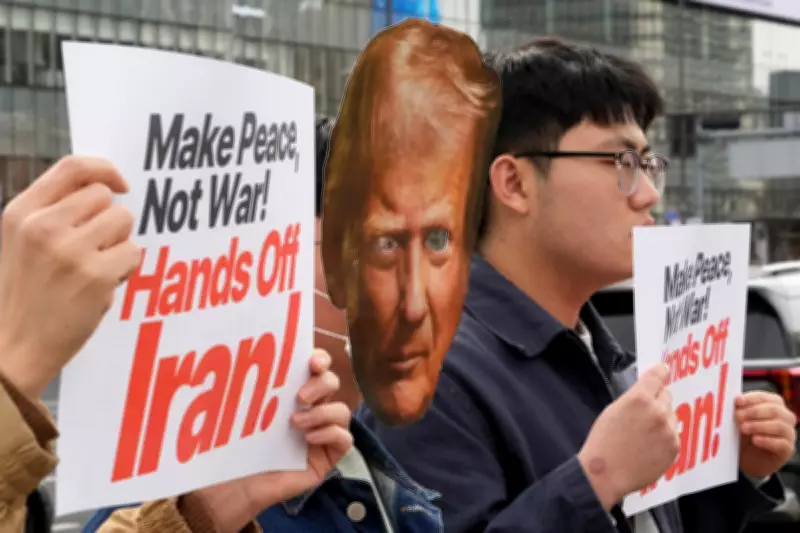
In response to the airstrikes, Iran has vowed revenge, while Trump has warned of unprecedented retaliation if the Middle East nation strikes back. International protests have erupted, including demonstrations outside the Israeli consulate in Istanbul where Trump's image was burned. The escalating tensions underscore the global stakes of the conflict.
The poll was conducted while the U.S.-Israel strikes were ongoing but before the announcement of American casualties, suggesting public opinion may shift further as the situation develops. With the midterm elections looming, the administration's handling of this crisis could have lasting political repercussions.