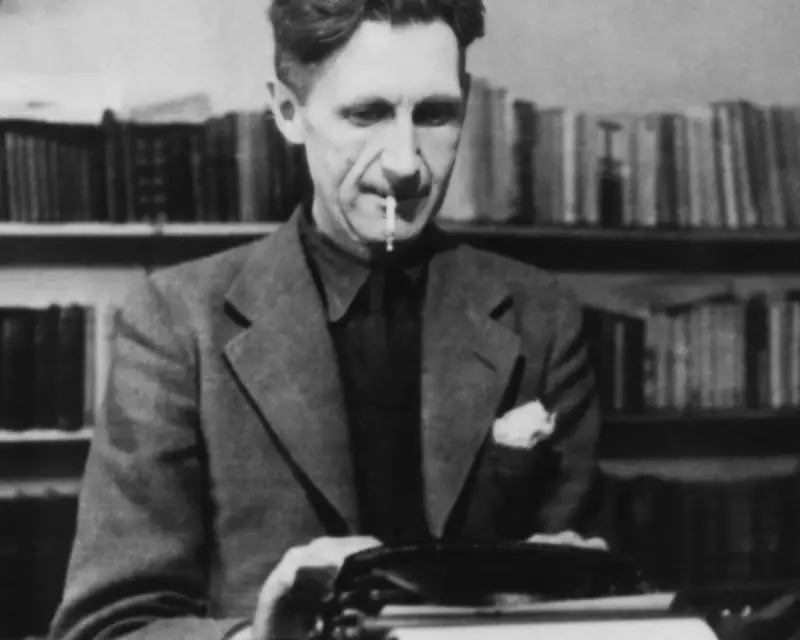
In a thought-provoking correspondence to the Guardian, Carol Kewley from Port Glasgow, Inverclyde, has highlighted a striking resemblance between the fictional world of George Orwell's Nineteen Eighty-Four and current global dynamics. Kewley references an article by Brendan Simms of Cambridge University, which discusses spheres of influence in today's geopolitical landscape, and questions whether others are reminded of Orwell's three superstates: Oceania, Eurasia, and Eastasia.
Orwell's Insight into Modern Power Structures
This observation taps into a broader discourse on how historical and literary frameworks can illuminate contemporary political shifts. Orwell's dystopian vision, penned in 1949, envisioned a world divided into perpetual warring blocs, a concept that some argue finds echoes in modern alliances and trade agreements. The comparison invites readers to reflect on the enduring relevance of Orwell's critique of totalitarianism and surveillance in an era marked by digital dominance and international tensions.
Debates on Social Media and Youth Engagement
Beyond geopolitics, the letters section sparks lively debate on domestic issues. Dr. Charles Smith from Bridgend challenges recent calls for a ban on social media use by under-16s, arguing instead that the focus should be on regulating how social media platforms exploit young users. This perspective adds nuance to the ongoing conversation about child protection online, emphasising corporate responsibility over outright prohibition.

AI and the Future of Work
David Prothero of Harlington, Bedfordshire, offers a wry commentary on technological advancement. Reflecting on predictions that computers would replace white-collar workers, he notes the current trend of robots taking over repetitive tasks and whimsically suggests the potential for something to replace politicians. This letter underscores public scepticism towards political efficacy amidst rapid automation and AI integration in the workforce.
Cultural Identity and Regional Pride
The correspondence also delves into lighter, cultural themes. David Johnson, senior vice-president of The Howff Club in Dumfries, shares a delightful anecdote about the club's Burns Night celebration, featuring haggis, neeps, and tatties, settling the swede versus turnip debate with culinary tradition. Meanwhile, John Branfield from Mingoose, Cornwall, playfully asserts Cornish identity by referring to everywhere beyond the River Tamar as "up-country," highlighting enduring regional distinctions within the UK.
These letters collectively showcase the Guardian's role as a platform for diverse public opinion, from serious political analysis to heartfelt local pride. Readers are encouraged to contribute their views, fostering a vibrant exchange of ideas on issues ranging from global power structures to everyday British life.