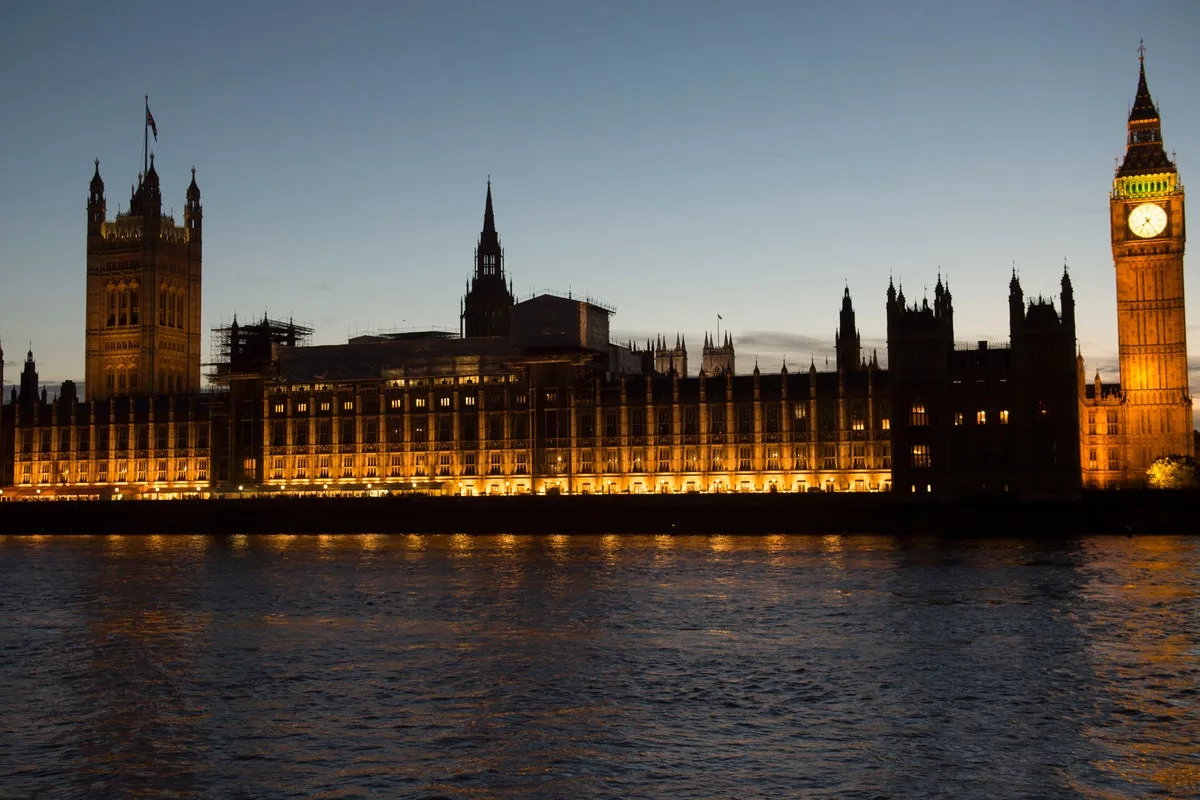
Parliament Restoration Could Take 60+ Years and Cost £40bn, Board Reveals Options
Parliament Fix Could Take 60 Years, Cost £40bn

Plans to restore the crumbling Palace of Westminster could span more than six decades and cost taxpayers up to £40 billion, according to new proposals presented to MPs and peers. The restoration and renewal client board has outlined two starkly different approaches to tackling the urgent repairs needed at the historic seat of British democracy.

Two Paths Forward for a Failing Palace

The board has put forward two distinct options for consideration. The first involves a "full decant," which would see both the House of Commons and House of Lords completely vacate the Palace of Westminster while extensive restoration works take place. This approach is projected to last between 19 and 24 years with costs reaching up to £15.6 billion.

The second option proposes carrying out the restoration in stages while parliamentary business continues within the palace. This phased approach would extend the timeline dramatically to between 38 and 61 years, with the price tag potentially soaring to £39.2 billion.

Immediate Works and Long-Term Decisions

Parliamentarians have also been asked to approve initial restoration works lasting seven years at a cost of up to £3 billion. If given the green light, these essential repairs could commence as early as 2026.

The phase one works would include refurbishing the interior of the Victoria Tower, constructing a Thames jetty for river deliveries, and beginning underground construction on tunnel shafts. Following this initial phase, MPs and peers would need to choose between the two main restoration options by mid-2030.

The Full Decant Scenario

Under the full decant proposal, Commons business would begin relocating to the Northern Estate—located outside but near the palace—while the Lords would move to the nearby QEII conference centre starting in 2032. This approach would allow for more comprehensive and potentially faster restoration work without the complications of ongoing parliamentary activities.

An Unsustainable Situation

The proposals highlight that the current £1.5 million weekly cost of maintaining and repairing the Palace of Westminster is "unsustainable." The historic buildings face multiple critical issues including heating failures affecting large parts of the House of Lords, significant problems with the sewerage system, and ongoing loss of toilets in areas containing reinforced autoclaved aerated concrete.

Since 2016 alone, there have been 36 fire incidents, 12 asbestos incidents, and 19 stonemasonry incidents within the parliamentary estate, underscoring the urgent need for comprehensive restoration.

Years of Debate and Previous Plans

The debate over how to revamp the Houses of Parliament has been ongoing for years, primarily due to the enormous projected costs and concerns about the deteriorating condition of the World Heritage Site buildings. Back in 2018, MPs and peers had agreed on a plan for both houses to move to temporary facilities near the existing site to allow essential repairs and upgrades to proceed.

However, this plan was subsequently revisited amid growing concerns about the financial implications, leading to the current two-option proposal that presents parliamentarians with difficult choices about balancing cost, timeline, and parliamentary continuity.