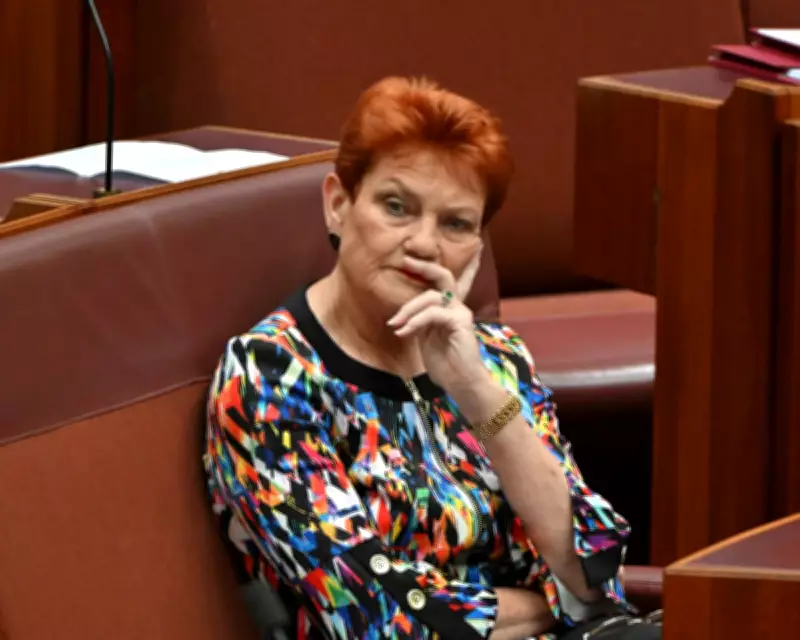
Pauline Hanson Set for Senate Censure Over Divisive Muslim Remarks
Australian Senator Pauline Hanson is poised to confront a formal censure motion in the Senate, as political backlash intensifies over her recent inflammatory comments targeting the Muslim community. The motion, anticipated to be tabled in the coming parliamentary session, represents a significant rebuke from her peers, highlighting the deepening tensions within Australia's political landscape.
Widespread Condemnation and Political Fallout
The controversy erupted after Hanson made remarks perceived as derogatory and divisive towards Muslims during a Senate debate, prompting immediate outcry from across the political spectrum. Labor and Greens senators have led the charge, condemning her statements as harmful and unrepresentative of Australian values. The expected censure motion underscores a rare moment of bipartisan agreement in the often-fractious Senate, with critics arguing that such rhetoric fuels discrimination and social division.
In response, Hanson has defended her comments, asserting they reflect concerns about national security and cultural integration. However, political analysts note that this stance has further isolated her within the Senate, where even some coalition members have expressed discomfort with her language. The motion is likely to cite breaches of parliamentary standards, emphasizing the need for respectful discourse in public office.

Historical Context and Broader Implications
This incident is not Hanson's first brush with controversy; she has a long history of making provocative statements on immigration and multiculturalism. The censure motion, if passed, would mark a formal parliamentary condemnation, though it carries no legal penalties. Observers suggest it could impact her political influence and public perception, particularly as Australia grapples with issues of diversity and inclusion.
The debate has also sparked broader discussions about free speech versus hate speech in Australian politics. Community leaders and advocacy groups have called for stronger measures to address discriminatory rhetoric, while some free speech advocates warn against overreach. The outcome of the motion may set a precedent for how similar cases are handled in the future, influencing parliamentary conduct and public accountability.
As the Senate prepares to vote, the focus remains on upholding democratic principles while condemning divisive language. This episode highlights the ongoing challenges in balancing political expression with social cohesion in a multicultural society.