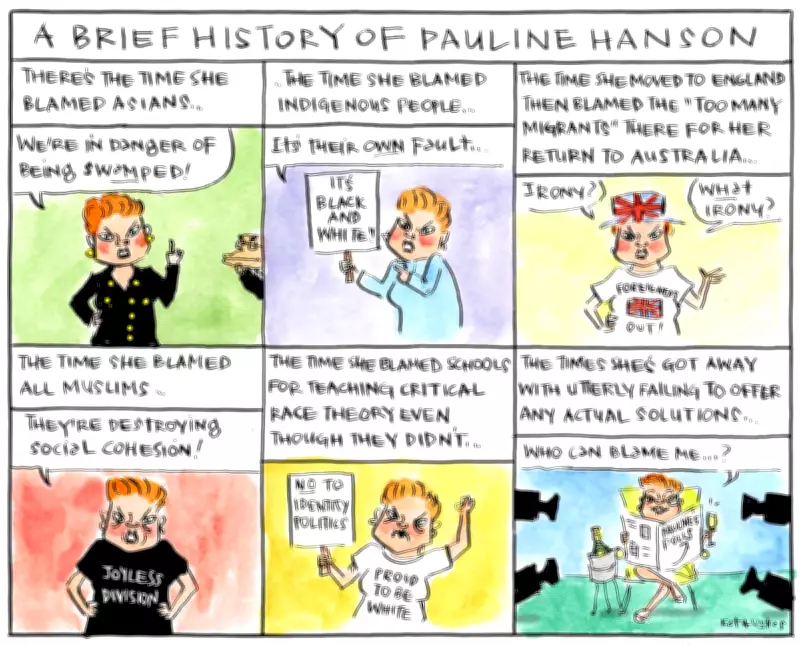
Pauline Hanson's Political Past: What Lessons Can We Learn?
The political career of Pauline Hanson, a prominent figure in Australian politics, offers a rich tapestry of insights into the dynamics of populism, media engagement, and policy formulation. As a controversial and influential politician, her journey from a fish-and-chip shop owner to a senator has sparked widespread debate and reflection on the state of modern democracy.
The Rise of Populism and Media Strategy
Hanson's ascent in the 1990s with the One Nation party highlighted the power of populist rhetoric in capturing public attention. Her ability to tap into economic anxieties and cultural grievances resonated with many voters, demonstrating how political movements can galvanise support by addressing perceived injustices. This phenomenon underscores the importance of understanding voter sentiment and the role of media in amplifying political messages.
Key aspects of her media strategy included:- Direct communication with the public through speeches and interviews.
- Use of provocative statements to dominate news cycles.
- Leveraging social and traditional media to build a loyal following.
Policy Impact and Political Legacy
Hanson's policy positions, particularly on immigration and multiculturalism, have had lasting effects on Australian political discourse. While often divisive, her advocacy has prompted broader conversations about national identity and social cohesion. This illustrates how individual politicians can shape policy agendas and influence public opinion over time.

- The need for balanced debate on sensitive issues like immigration.
- The impact of polarising policies on social harmony.
- How political figures can drive legislative changes through persistent advocacy.
Reflections on Democracy and Governance
Analysing Hanson's career provides valuable lessons for democratic systems worldwide. Her ability to maintain relevance despite controversies shows the resilience of populist movements in modern politics. This case study encourages a deeper examination of how democracies can address populist challenges while upholding core values like inclusivity and fairness.
In conclusion, Pauline Hanson's political past serves as a critical reference point for understanding contemporary political trends. By studying her strategies and impacts, we can better navigate the complexities of populism, media influence, and policy-making in today's global landscape.