Portland Leaders Consider Stripping César Chavez's Name from Landmarks
Portland officials are actively debating whether to remove César Chavez's name from streets and schools following serious sexual abuse allegations against the late union leader. Chavez, who passed away in 1993, was accused this week by prominent labor rights activist Dolores Huerta, along with other activist workers, including two who were as young as 13 and 15 at the time of the alleged incidents.
Allegations Prompt Calls for Memorial Changes
The accusations have ignited widespread calls for officials to reconsider memorials honoring Chavez, a longtime Democratic hero celebrated for securing better wages and working conditions for farmworkers during the 1960s. Huerta revealed in a statement that she remained silent for six decades, fearing her claims might overshadow Chavez's activist legacy. She described being manipulated and pressured during two sexual encounters and another where she was forced against her will.
'I carried this secret for as long as I did because building the movement and securing farmworker rights was life's work. The formation of a union was the only vehicle to accomplish and secure those rights and I wasn't going to let César or anyone else get in the way,' Huerta stated.

Portland's Response and Renaming Efforts
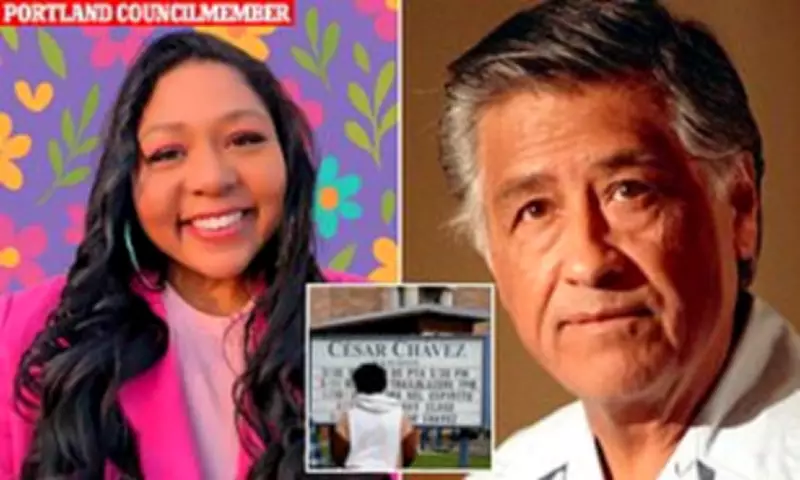
As allegations from Huerta and other young girls who worked in the movement surfaced, claiming they were groomed and abused by Chavez, Portland leaders have initiated steps to review his name on landmarks. Councilmember Candace Avalos announced on BlueSky that she is exploring renaming Cesar Chavez Boulevard to Dolores Huerta Boulevard, citing city code requirements for a petition with 2,500 signatures as a first step.
Mayor Keith Wilson's spokesperson, Taylor Zajonic, confirmed the mayor's support for a community-driven name change decision. Meanwhile, Marta Guembes of the inactive César E Chavez Boulevard Committee expressed devastation over the news, highlighting the emotional impact on the community.
Historical Context and Wider Repercussions
The street, originally 39th Avenue, was renamed César E Chávez Boulevard in 2009 after unanimous approval by the Portland City Council, following advocacy from the Latino community. Huerta added that she was unaware of other victims and revealed she became pregnant from both encounters with Chavez, with both children arranged to be raised by other families.
Across the nation, Chavez's legacy faces scrutiny. Streets, schools, and parks in the Southwest bear his name, and California commemorates his birthday as a state holiday, with March 31 declared national César Chavez Day by former President Barack Obama. However, recent events have led to canceled celebrations in San Francisco, Texas, and Arizona, with Republican Texas Governor Greg Abbott opposing the holiday and urging its removal.
Political and Community Reactions
California Governor Gavin Newsom acknowledged processing the news but emphasized the farmworker movement's broader significance beyond Chavez. In Phoenix, the city council plans to vote on renaming the holiday and related landmarks to Farmworkers Day, while Albuquerque Mayor Tim Keller has ordered a review of Chavez's recognition in the city.
US Senator Ben Ray Luján called for Chavez's name to be removed from landmarks and honors. The César Chavez Foundation pledged support for victims and committed to restorative justice, stating it will reassess its identity with the Chavez family's backing.
As Portland moves forward with potential changes, the debate underscores the complex interplay between historical recognition and accountability in light of new allegations.