Rayner's Leadership Prospects Rekindled Amid Labour's Shifting Dynamics
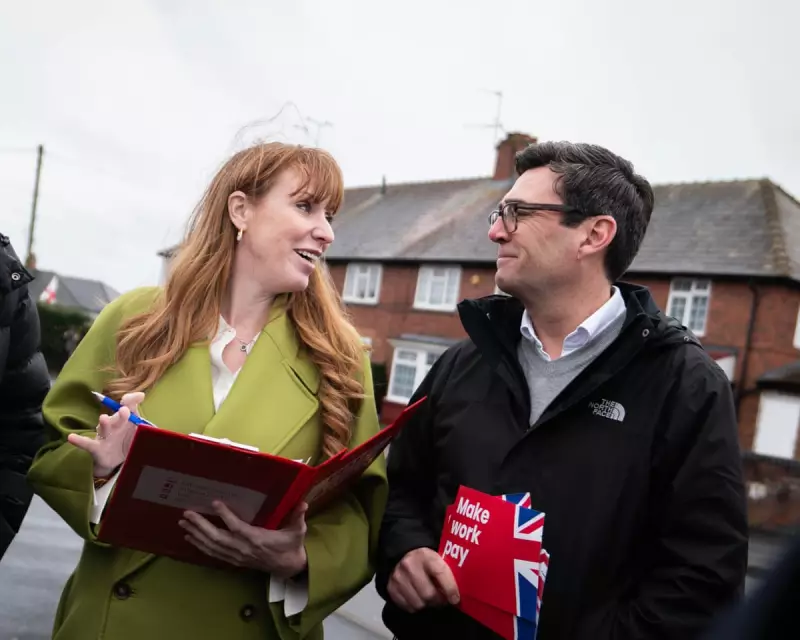
The political landscape within the Labour Party has been subtly reshaped by the recent developments surrounding Andy Burnham's aborted return to Westminster. This unexpected turn of events has effectively redirected the spotlight onto other prominent figures within the party, most notably Angela Rayner, who has long been considered a potential future leader. The vacuum created by Burnham's blocked move has ignited renewed speculation and quiet conversations about the succession plan for Keir Starmer's leadership, placing Rayner firmly at the centre of these discussions.
Rayner's Strategic Positioning and Policy Legacy
Since her resignation as housing secretary nearly five months ago, following an inadvertent underpayment of stamp duty on a property in Hove, Angela Rayner has maintained a posture of quiet loyalty to the party leadership. However, she has not remained entirely out of the political fray. Rayner has strategically resurfaced on key occasions to advocate for policy areas she views as part of her enduring legacy. This includes applying pressure on ministers regarding workers' rights legislation and engaging in lobbying efforts related to the recently announced reforms to the leasehold system. Her actions demonstrate a continued commitment to shaping Labour's policy direction from behind the scenes.
It is widely acknowledged within political circles that Rayner harbours ambitions for a return to the cabinet, a sentiment that Prime Minister Keir Starmer has publicly endorsed on multiple occasions. According to senior Downing Street sources, despite being an unlikely pairing, Rayner and Starmer remain in regular contact and maintain a cordial working relationship. There is a shared belief that they function as an effective political team, although some residual mistrust persists on Rayner's part regarding certain individuals within the Prime Minister's inner circle.

Obstacles and Considerations for a Potential Return
Despite the mutual interest in her cabinet return, several significant obstacles currently stand in the way. The most immediate barrier is the absence of a suitable vacancy, following Starmer's comprehensive reshuffle in the wake of Rayner's departure. Political observers suggest that the earliest opportunity for such a move may not arise until after the upcoming Scottish, Welsh, and local English elections in May. Additionally, an ongoing investigation by HMRC into Rayner's tax underpayment continues to cast a shadow over her immediate political future. While the potential outcomes—ranging from a fine to no action at all—are not expected to permanently block her return, the uncertainty has become a source of considerable frustration for her team.
Rayner's Leadership Ambitions and Internal Party Dynamics
Beyond the question of cabinet return lies the broader issue of Rayner's leadership aspirations. Allies close to the former deputy leader confirm that while she has no current plans to openly challenge Starmer, she would undoubtedly contest the leadership if such an opportunity presented itself, whether through a challenge or Starmer's departure. Rayner is understood to be particularly frustrated by media narratives that consistently position her as the deputy or left-leaning ideological counterweight in potential leadership bids by male colleagues, reinforcing perceptions of her playing second fiddle.
As one senior Labour figure revealed to the Guardian, "Angela says she took the scars for Jeremy Corbyn, she took the scars for Keir Starmer, and so the next time she takes the scars it will be for herself." This statement underscores her determination to pursue leadership on her own terms. However, Rayner is also acutely aware of her polarising effect on certain voter segments and recognises that any successful leadership bid would need to be framed around collective leadership, potentially involving steady, understated figures like John Healey or Pat McFadden in key roles such as Chancellor.

Personal and Political Challenges
As Rayner contemplates her future direction within the party, with many of her legislative priorities nearing completion in parliament, she is considering necessary policy shifts alongside potential leadership changes. Interestingly, some internal discussions have raised concerns about her partner, Sam Tarry—a former Labour MP who was deselected before the last election in a contentious process he attributes to Wes Streeting. These deep-seated internal divisions within Labour could potentially create complications for Rayner's leadership prospects through association.
Rayner's team has expressed a desire for greater privacy regarding her personal life, particularly concerning her relationship and children. In terms of political support, she would likely seek backing from the recently revitalised soft-left Tribune caucus, especially among female MPs. However, the true extent of her support base remains uncertain, and any path to the leadership appears fraught with challenges. What seems increasingly clear is that if any contender, such as Wes Streeting, anticipated a smooth coronation, they would instead face a formidable battle against Rayner's determined candidacy.