Chancellor Rachel Reeves Unveils Fiscal Devolution Plans for Regional Mayors
Chancellor of the Exchequer Rachel Reeves has set out ambitious proposals to hand regional mayors a share of national tax revenue, a move designed to stimulate economic growth across the United Kingdom. The plan, which focuses on fiscal devolution, would allow mayors to control and invest portions of income tax within their areas, shifting power away from central government control.
Tax Revenue Sharing Without Increasing Burden
In a significant policy announcement, Reeves emphasised that the initiative would not raise the overall tax burden on citizens. Instead, it involves redistributing existing tax revenues, giving regional leaders direct access to funds that have traditionally been managed solely by the Exchequer. This approach aims to empower local authorities to make targeted investments that address specific regional needs and opportunities.
Roadmap for Fiscal Devolution
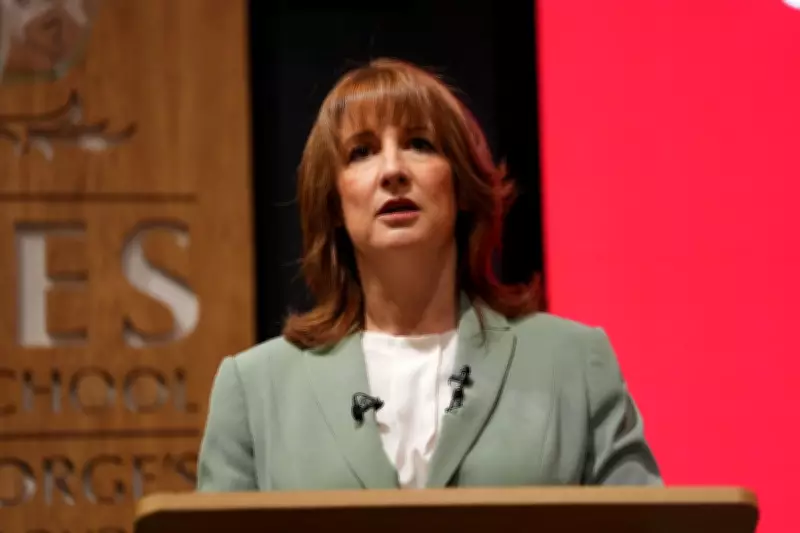
Delivering the annual Mais Lecture at Bayes Business School in London, Chancellor Reeves revealed that officials have been tasked with developing a detailed roadmap for fiscal devolution. This document is scheduled for publication at the autumn budget, outlining how regional leaders could gain control over a share of national taxes, including income tax.
"I have asked my officials to work with mayors and businesses to develop a road map for future fiscal devolution to be published at this year’s budget," Reeves stated. "This will set out plans to give regional leaders control of a share of some national taxes which have, for too long, been allocated by central government."
Targeted Reforms and Investment Funds
The reforms will initially target regions with the greatest capacity to implement them and the highest potential for economic benefit. Alongside tax revenue sharing, Reeves announced the creation of "city investment funds" backed by £2.3 billion in funding. These funds will focus on northern England and the West Midlands, providing regional leaders with long-term, self-sustaining capital for investment projects.
A key component of this strategy is the commitment to retain business rates locally, further enhancing financial autonomy for regional authorities. By combining tax revenue sharing with dedicated investment funds, the government aims to create a more decentralised and responsive economic governance model.
Driving Regional Economic Growth
The overarching goal of these measures is to drive economic growth in regions across the country. By enabling mayors to invest tax revenue directly into local infrastructure, education, and business development, the government hopes to reduce regional disparities and foster a more balanced national economy. This shift represents a significant step towards greater fiscal devolution, aligning with broader efforts to decentralise decision-making and empower local leadership.