Reeves to Deliver Defiant Spring Statement Amid Political Pressure
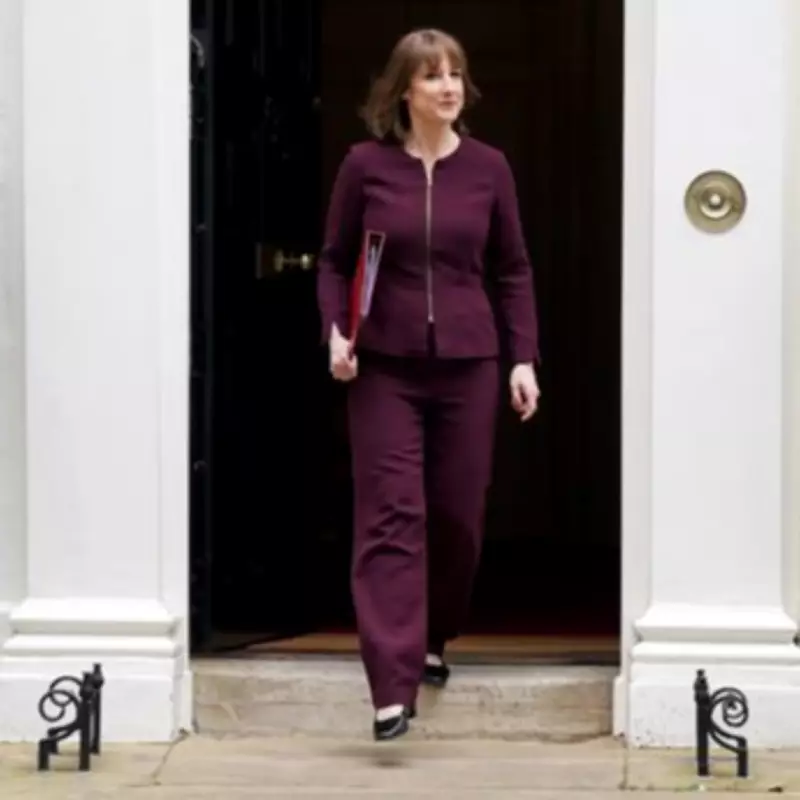
Chancellor Rachel Reeves is poised to present a Spring Statement marked by defiance and a focus on stability when she addresses Parliament on Tuesday, March 3. This comes in the wake of a devastating by-election loss for the Government and the chaotic aftermath of last November's Budget.
A Low-Key Affair With High Stakes
The Chancellor is expected to deliver a no-frills update, deliberately designed to project economic calm after a period of speculation and confusion. The run-up to the statement was marred by mixed signals on potential income tax hikes and an extraordinary incident where the Office for Budget Responsibility accidentally published key measures prematurely.
A Treasury insider emphasised the Government's resolve, stating, "The economic plan is the right one. The numbers back that up. You can see that the numbers are starting to improve. I think it will be a moment of defiance. We know what we are doing and we are doing the right things."

Focus on Cost of Living and Economic Plan
Downing Street sources indicate the statement will not be packed with new policies but will instead reinforce the Chancellor's existing economic strategy. A source highlighted that the cost of living remains the number one issue for voters, crediting government action for bringing down inflation and interest rates.
"The PM started the year saying the cost of living was the number one priority. People calling for us to drastically change course need to know this hasn't changed," the source added, underscoring the continuity of the Government's focus.
What to Expect in the Spring Statement
Rachel Reeves will deliver the statement at approximately 12:30 PM on Tuesday. It is anticipated to be a concise update, possibly as short as twenty minutes, focusing on the Office for Budget Responsibility's latest economic and fiscal forecasts. These will include revised estimates for growth, inflation, unemployment, government spending, and tax revenues over the coming years.
Historically, Spring Statements are light on major policy announcements, though exceptions exist. Last year, controversial benefit cuts were attached to the statement, a move that later sparked a political storm and was ultimately abandoned, leaving a significant fiscal gap.
The Treasury appears to have learned from that experience, and no substantial new announcements are expected this time around.
Taxation and Fiscal Stability
Taxpayers can breathe a sigh of relief, as no immediate tax increases are on the agenda. Major tax and spending decisions are reserved for formal fiscal events, specifically the annual Budget. Chancellor Reeves has intentionally limited herself to one major fiscal event per year to provide greater stability for businesses, avoiding constant policy shifts.
Why This Statement Matters
The updated forecasts will serve as a crucial barometer of the Government's economic performance. At the last Budget, Reeves secured £21.7 billion in fiscal headroom to avoid immediate tax rises. The state of this financial cushion will be closely watched.
If the headroom has diminished, speculation will intensify about potential tax hikes in the autumn. Conversely, if it has grown significantly, pressure will mount on the Chancellor to allocate additional funds to priority areas.
Key vulnerable sectors include defence, where military chiefs are urging accelerated budget increases, and student loans, which are becoming a hot-button issue due to concerns over high interest rates and changes to repayment terms affecting young graduates.
This Spring Statement represents a critical moment for the Government to demonstrate control and direction following a challenging political period, with all eyes on Rachel Reeves' economic stewardship.