Chancellor Reeves Confronts Economic Turbulence in Spring Statement
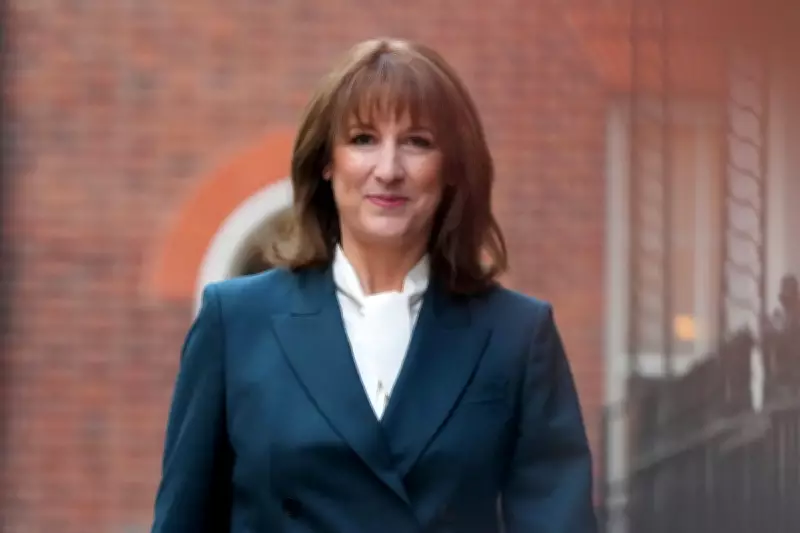
Chancellor Rachel Reeves is poised to deliver her spring statement on Tuesday, navigating a volatile economic landscape shaped by surging oil prices and escalating geopolitical tensions. The Middle East conflict, involving US-Israeli forces and Iran, has disrupted Gulf refineries and shipping, triggering a sharp rise in energy costs and sending stock markets tumbling across the UK and Europe. Economists warn that this crisis could undermine the government's efforts to tackle inflation, but Ms Reeves is expected to assert that the administration has the "right economic plan for the country."
Trump's Criticism and the Fracturing US-UK Alliance
Simultaneously, the UK's relationship with the United States has come under strain, with former President Donald Trump launching a scathing critique of Prime Minister Keir Starmer. In interviews with The Sun and the Daily Telegraph, Trump expressed disappointment, stating that the UK is "not such a recognisable country" anymore and that the special relationship has deteriorated. He criticised Starmer's refusal to allow US jets to deploy from UK bases for strikes on Iran, suggesting it might be an attempt to pander to Muslim voters. Trump advised Starmer to "open up the North Sea" and restrict immigration, highlighting a significant diplomatic rift.
Shadow Home Secretary Chris Philp echoed these concerns, accusing Starmer of "seriously undermining" the UK-US relationship by not supporting the strikes. Philp argued that action against Iran is justified due to its sponsorship of terrorism and threats to regional stability. In contrast, Darren Jones, the prime minister's chief secretary, denied any political pandering, emphasising that the UK's limited involvement aims to protect British interests and citizens without escalating into a broader Middle East conflict.

Human Impact: Stranded Citizens and Travel Chaos
The conflict has also led to widespread travel disruptions, leaving thousands of UK nationals stranded in Dubai and Abu Dhabi. Flights from the UAE have been largely cancelled, with airspace closures persisting across the region. Teigan McFadden, a 21-year-old from Belfast, shared her frustration, stating she has received no updates from the UK government on when she can return home. While some limited flights have departed, including an Etihad Airways flight to Heathrow, commercial services remain suspended until at least Thursday, raising questions about potential military evacuations for British citizens.
Liberal Democrat leader Ed Davey added to the political discourse, criticising "washed up old footballers and tax exiles" in Dubai who seek UK protection, highlighting broader debates about citizenship and responsibility.
Reeves' Economic Outlook and Global Uncertainties
In her spring statement, Chancellor Reeves is anticipated to focus on economic stability amidst global uncertainties. The speech, expected to last only 20 minutes, will not introduce new policy measures due to the government's commitment to one annual fiscal event. Instead, Reeves will highlight falling inflation and interest rate cuts as successes, while stressing the importance of a resilient economy. She is set to declare, "This government has the right economic plan for our country in a world that has become yet more uncertain," underscoring investments in infrastructure and reforms aimed at nationwide growth.
However, the ongoing Middle East crisis poses a direct threat to these plans, with rising fuel and energy prices potentially derailing progress on inflation. International voices, such as Irish premier Micheal Martin, have also weighed in, criticising the UN Security Council as "paralysed" and unfit for purpose, reflecting broader global governance challenges.
As tensions simmer, the spring statement arrives at a critical juncture, balancing domestic economic priorities with international diplomatic pressures and humanitarian concerns.