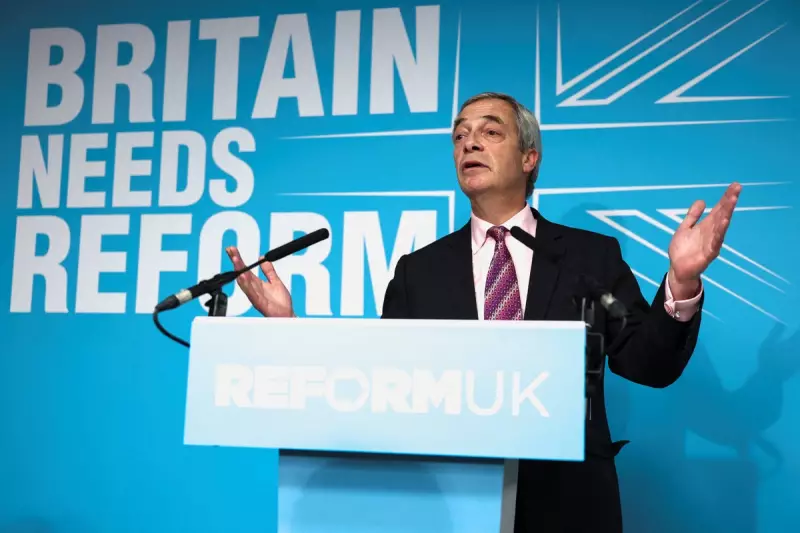
Political defections always create waves in Westminster, but Robert Jenrick's move to Reform UK has generated particularly turbulent waters. The former Conservative justice secretary's switch represents both opportunity and danger for Nigel Farage's insurgent party as it positions itself for the 2029 general election.
The Jenrick Defection: A Calculated Gamble
When Kemi Badenoch sacked Robert Jenrick from the shadow cabinet, she acted with decisive force. The Conservative leader had little choice but to dispatch an openly disloyal colleague, yet the manner of her response caught many observers by surprise. Jenrick's subsequent defection to Reform UK appeared carefully orchestrated, yet the execution proved clumsy when his plans were prematurely exposed.
His departure speech contained remarkable contradictions, particularly when Jenrick claimed to be setting aside "personal ambition" while simultaneously joining a rival political movement. This apparent hypocrisy drew criticism from across the political spectrum, with many viewing the move as opportunistic rather than principled.

Reform's Identity Crisis
Farage welcomed Jenrick with declarations about "the realignment of the genuine centre-right," but this rhetoric masks a deeper concern for Reform UK. Each establishment Conservative who defects potentially weakens the party's revolutionary credentials, transforming what began as an anti-system movement into what critics describe as "a dumping ground for disappointed Tories."
This perception problem extends beyond Jenrick to include other high-profile defectors like Nadhim Zahawi, whose political relevance has diminished since leaving frontline politics. The danger for Reform is clear: if voters perceive the party as merely a repository for disgruntled former Conservatives rather than a genuine alternative, its appeal could rapidly diminish.
The Loyalty Question
British voters have historically demonstrated a distinct aversion to political disloyalty, viewing party switching with deep suspicion. Jenrick's defection, coming after years of campaigning for Conservative leadership positions, exemplifies this problematic dynamic. His claim to have joined Reform UK for ideological reasons rings hollow to many who witnessed his previous political commitments.
This presents Reform with a fundamental challenge: how to attract experienced parliamentarians without alienating voters who value consistency and loyalty in their political representatives. Farage's imposition of a May deadline for further defections suggests he recognises this tension and seeks to manage it carefully.
Broader Political Implications
The Jenrick defection occurs against a complex political backdrop with multiple developing narratives:
- Conservative Resurgence: Despite losing Jenrick, the Conservatives may benefit from removing disruptive elements from their ranks, potentially creating a more united opposition.
- Polling Pressures: Reform UK has experienced recent declines in polling numbers, raising questions about whether the party has peaked prematurely.
- Policy Challenges: With migration numbers falling and Labour adopting tougher immigration policies, Reform's central policy platform faces potential erosion.
- Coalition Complications: The deepening split on the right makes electoral cooperation between Conservatives and Reform increasingly unlikely, potentially benefiting left-leaning parties.
Labour's Strategic Opportunity
For Keir Starmer's Labour Party, the Conservative-Reform schism presents clear short-term advantages. With the right divided, Labour can focus on consolidating its policy platform around key voter concerns including immigration, NHS reform, and the cost of living crisis.
However, Labour faces its own challenges in articulating a coherent vision for government. The party must demonstrate tangible policy achievements in the coming years while maintaining discipline in its messaging to capitalise fully on opposition divisions.
The Road to 2029
With three years remaining until the next general election, the political landscape remains remarkably fluid. Several factors will determine the ultimate impact of Jenrick's defection and similar political realignments:

- Voter Perception: How ordinary citizens view political defections and whether they punish or reward such moves.
- Policy Development: Whether Reform can develop substantive policies beyond immigration that resonate with voters.
- Leadership Stability: How both major parties manage internal tensions while presenting united fronts to the electorate.
- Economic Conditions: The impact of taxation, inflation, and public spending on political fortunes across the spectrum.
What remains certain is that British politics has entered a period of unusual volatility. The traditional two-party system faces unprecedented challenges from insurgent movements, while established parties struggle to maintain cohesion in an increasingly fragmented political environment.
For voters, this uncertainty brings both risk and opportunity. With multiple parties competing vigorously for support, the potential exists for genuine policy innovation and political renewal. Yet the danger of perpetual instability and governmental paralysis remains equally real.
As Westminster prepares for the long campaign toward 2029, one truth emerges clearly: the era of predictable politics has ended, replaced by a new dynamic where loyalty is negotiable, alliances are temporary, and political identities are constantly evolving.