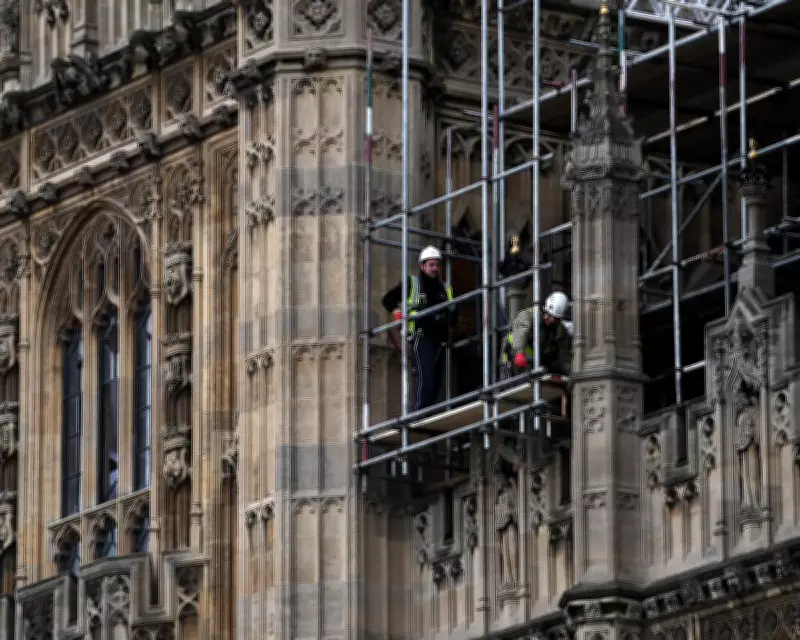
In a series of compelling letters to the editor, readers have passionately argued that the real benefit of moving Parliament out of the Palace of Westminster is fundamentally political rather than cultural. This debate has been ignited by discussions on plans for MPs to temporarily depart during essential repairs, with many calling for a permanent relocation to shake up the UK's political landscape.
A Permanent Shift to the Midlands
Richard Mountford from Hildenborough, Kent, asserts that Parliament should not just move temporarily but permanently to a location like Derby. He emphasises that such a move would enhance accessibility for MPs, organisations, and voters from broader regions of the UK. A new, purpose-built facility could feature a more appropriate circular debating chamber and accommodate all MPs efficiently.
Economic and Logistical Advantages
Mountford further highlights that relocating Whitehall alongside Parliament would bring numerous jobs northwards, stimulating regional economies. Government properties in London could be sold or rented out, replaced by more affordable buildings in Derby and Derbyshire. This shift would also reduce MPs' rental and living costs, resulting in significant public savings.

Modernising Parliamentary Infrastructure
Elizabeth Lock from Oxford supports a permanent move to a geographically central, modern facility. She suggests including modest but comfortable accommodation for MPs remote from their constituencies, which could improve security and mitigate expenses scandals. The historic Houses of Parliament, she proposes, should be renovated into a tourist attraction and museum of democracy, generating revenue through exhibitions and retail.
Alternative Proposals and Criticisms
Dr Peter Hindley of London cautions against moving without considering negative consequences, such as disruption to communication with state departments. He offers an alternative: relocating Parliament to Buckingham Palace, with the King moving to Windsor Castle, as a selfless act to restore the monarchy's reputation.
Rory H D Cooper from Dunfermline humorously suggests that future MPs should have backgrounds in engineering or construction to help reconstruct the Palace during recesses, saving billions. Jean Garner of Shrewsbury advocates for a public competition among cities to host Parliament, similar to the original building's selection process.
Embracing Technology and Virtual Solutions
David Bargh from New Brighton, Wirral, proposes a virtual Parliament where MPs debate securely from their constituencies via the internet and AI, with Westminster used only occasionally for ceremonial purposes. This could foster a more civilised debating style and reduce costs, appealing to tech-savvy individuals.
Learning from Devolved Nations
Richard Henderson of Bristol points to the Scottish Parliament and Senedd in Cardiff as models of modern, functional design, contrasting them with the Palace of Westminster's outdated appearance. He suggests handing the building to the National Trust for use as a museum of political history, using avatars to recreate historic debates.
The Core Political Imperative
Henderson underscores that the primary advantage of relocating Parliament is political, delivering a much-needed jolt to the system. He argues that reforms, such as an elected House of Lords—discussed since the Parliament Act of 1911—are long overdue. Moving away from archaic titles and practices could revitalise British democracy and address longstanding inefficiencies.
Overall, these letters reflect a growing consensus that a permanent move from London's bubble could catalyse essential political reforms, improve accessibility, and modernise governance, all while repurposing the iconic Palace of Westminster for cultural and economic benefit.