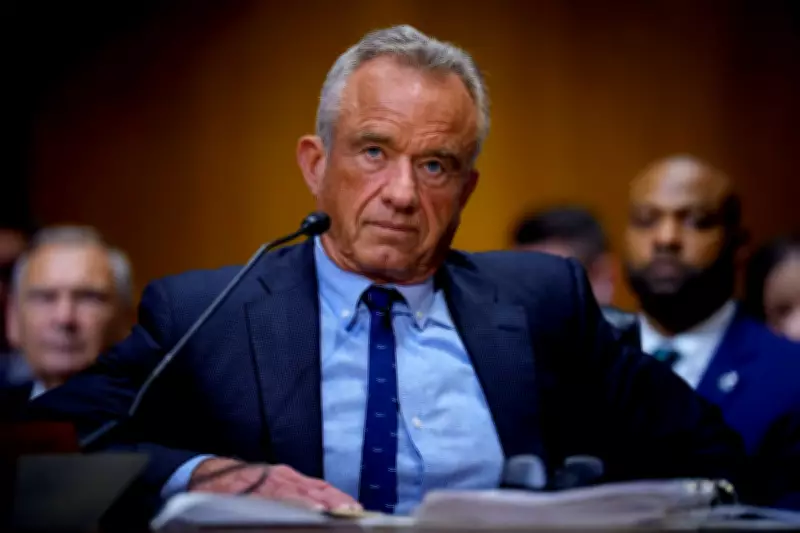
Health and Human Services Secretary Robert F. Kennedy Jr. has ignited a firestorm of mockery across social media platforms, with critics drawing unflattering parallels to the last Queen of France, Marie Antoinette. The controversy erupted after Kennedy suggested that financially strained Americans should consider purchasing liver or cheaper cuts of steak as a more affordable alternative to premium beef options.
Out of Touch or Practical Advice?
Speaking at an event for MAHA Action, an advocacy group aligned with the Make America Health Again movement, Secretary Kennedy addressed the pressing issue of grocery costs. "Most of the cheap cuts of meat are very inexpensive," Kennedy stated during his remarks. "If you buy a Porterhouse steak or a strip steak, it is gonna set you back. You can buy liver or the cheaper cuts of steak that are very, very affordable."
A video clip of these comments quickly circulated on the social media platform X, formerly known as Twitter, on Friday. The response was immediate and overwhelmingly critical, with many users accusing the health secretary of being profoundly disconnected from the everyday financial struggles facing ordinary American families.

Political Figures Join the Fray
Democratic Representatives Ted Lieu of California and Nikki Budzinski of Illinois led the charge, sharing digitally altered images that superimposed Kennedy's face onto portraits of Marie Antoinette. The historical French queen became an enduring symbol of aristocratic indifference after allegedly responding to news of bread shortages among the peasantry with the callous phrase, "Let them eat cake."
While historians widely dispute whether Marie Antoinette actually uttered those infamous words, the sentiment has been resurrected to critique the Trump administration's perceived handling of cost-of-living pressures. "Let them eat liver," Lieu and Budzinski quipped in their social media posts, directly parodying Kennedy's dietary suggestions.
Senate Minority Leader Chuck Schumer further amplified the criticism with a pointed question directed at President Donald Trump via X. "Is liver on the menu tonight at the Mar-a-Lago dining room? Or is that just for the rest of America?" Schumer inquired, highlighting the perceived disparity between the lifestyles of political elites and ordinary citizens.
Creative Critiques and Historical References
Representative Jimmy Gomez of California contributed to the satirical onslaught by sharing a cleverly edited advertisement. Alongside an original promotional image for "Trump Steaks" featuring a platter of premium cuts with the tagline "The World's Greatest Steaks," Gomez posted a modified version. The altered advertisement showcased a plate of liver with the words "Trump Liver" and the new slogan "The World's Cheapest Liver."
"What Trump promised vs what we got," Gomez captioned the contrasting images, encapsulating a broader sentiment of disappointment among critics. Comedian Jay Black offered a more colorful critique, writing, "For the masses: liver and cheap cuts. For the rich: steak and zero consequences. For RFK Jr.: bear carcass and toilet seat cocaine. It's not a fair world."
Black's comment referenced Kennedy's past admissions about disposing of a dead bear in New York City's Central Park and using cocaine off toilet seats, adding a layer of personal history to the political criticism. Meanwhile, X user Jamie Bonkiewicz expressed a common frustration, stating, "We could afford beef when Biden was president. Now RFK Jr. says, 'Just eat liver, peasants.' Are we great yet?"
The Broader Context of Rising Food Costs
The Independent has reached out to the Health and Human Services Department for an official comment on the growing controversy. However, the secretary's remarks come against a backdrop of significant inflationary pressures on food prices, particularly for beef products.
According to the latest data from the Bureau of Labor Statistics' Consumer Price Index, uncooked ground beef prices surged by 17.2 percent last month compared to the same period the previous year. Similarly, uncooked beef steak prices increased by 12.9 percent over the same timeframe. These substantial price hikes present a genuine challenge for American households attempting to adhere to updated dietary guidelines.

The Department of Agriculture's new nutritional recommendations encourage increased protein consumption while reducing whole grain intake. Yet, the soaring cost of quality protein sources like beef makes compliance increasingly difficult for budget-conscious families. This economic reality has turned Kennedy's suggestion into a lightning rod for broader discontent about affordability and governmental responsiveness.
A Pattern of Controversial Suggestions
Secretary Kennedy is not the first Trump administration official to face ridicule over perceived tone-deaf dietary advice. Last month, Agriculture Secretary Brooke Rollins provoked similar mockery during a NewsNation interview. Rollins proposed what many considered an exceptionally bland and economical meal consisting of "a piece of chicken, a piece of broccoli, a corn tortilla and one other thing."
Online critics swiftly labeled Rollins' suggestion a "depression meal" and compared it unfavorably to standard prison fare. Chasten Glezman Buttigieg, husband of former Transportation Secretary Pete Buttigieg, captured the prevailing sentiment with a biting post on X. "Private jets and tax breaks for them and their rich friends, and one piece of broccoli *AND* a tortilla for you!" Buttigieg wrote, emphasizing the perceived disconnect between official recommendations and the lived experiences of ordinary Americans.
The recurring theme of high-ranking officials offering simplistic solutions to complex economic problems has fueled a narrative of governmental insensitivity. As grocery bills continue to strain household budgets, suggestions to substitute premium foods with less desirable alternatives are increasingly met with public scorn and political backlash.
The "let them eat liver" episode underscores the deepening political divisions surrounding economic policy and the cost of living. It also highlights the potent symbolic power of historical analogies in contemporary political discourse, as figures like Marie Antoinette are resurrected to critique perceived elitism and indifference in modern governance.