Scottish Labour Leader Calls for Ministerial Testimony in Hospital Safety Investigation
Scottish Labour leader Anas Sarwar has issued a formal demand for the Scottish Hospitals Inquiry to reopen its evidence-gathering process and summon key former government ministers to testify. This urgent request follows the conclusion of the inquiry's initial evidence sessions last week, which examined critical failures in hospital construction and maintenance.
Political Pressure Allegations Surround Hospital Openings
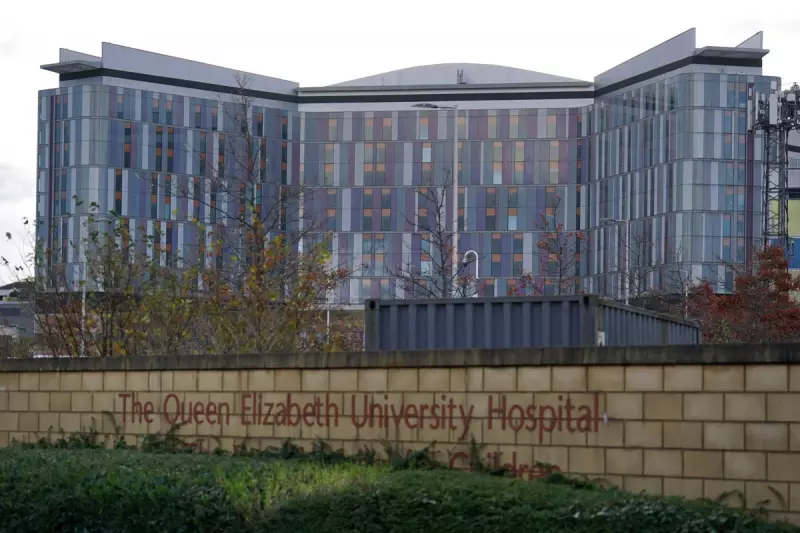
The inquiry has been investigating serious concerns regarding the construction and ongoing maintenance of two major Scottish healthcare facilities: the Queen Elizabeth University Hospital in Glasgow and the Royal Hospital for Children and Young People in Edinburgh. These investigations have uncovered troubling evidence about the circumstances surrounding their operational commencement.
During closing submissions, NHS Greater Glasgow and Clyde ignited significant political controversy by acknowledging that "pressure" had been exerted on the board to open the Glasgow hospital prematurely. This admission has raised serious questions about whether patient safety was compromised in the rush to make these facilities operational.
Opposition Accusations and Ministerial Accountability
Opposition politicians have pointed directly at the Scottish government, specifically implicating former First Minister Nicola Sturgeon in applying inappropriate pressure to accelerate hospital openings. The Glasgow facility has been particularly scrutinized following infection control failures that tragically resulted in patient deaths, including that of 10-year-old Milly Main.
Although NHS Greater Glasgow and Clyde subsequently clarified that the pressure referenced was internal rather than external, Sarwar maintains that ministerial oversight and communication must be thoroughly examined. In a detailed letter to inquiry chair Lord Brodie, the Labour leader has called for evidence sessions to be reopened specifically to question Ms Sturgeon, current First Minister John Swinney (who previously served as finance secretary and deputy first minister), and former health secretary Shona Robison.
Transparency and Full Investigation Demands
"Any government will understandably want major construction projects to adhere to budgets and timelines," Sarwar acknowledged in his correspondence. "However, if this desire significantly influenced the board's decision-making processes, your inquiry must have the opportunity to subject these pressures to proper scrutiny."
The Labour leader emphasized that crucial questions remain unanswered about whether decision-makers applying pressure, and the government ministers to whom the board was accountable, had any awareness of potential patient safety issues. He further questioned to what extent they sought appropriate assurances before hospital openings and after problems became apparent.
Ministerial Avoidance and Inquiry Scope Concerns
Sarwar noted that while Ms Sturgeon, Mr Swinney, and Ms Robison were not originally invited to give evidence, the inquiry's terms of reference explicitly allow for former ministers to be called. "For the purposes of transparency and clarity," he wrote, "this examination should include oversight and communication from the Scottish government to the board."
The Labour leader expressed concern that without taking evidence on political decision-making, ministers might attempt to use the final inquiry report as evidence that problems were contained entirely within the health board and could not have been prevented by government intervention. He pointed out that this crucial aspect has not yet featured in the inquiry's investigation.
Political Responses and Inquiry Position
Sarwar highlighted that the ministers in question have "avoided answering public questions on political decision-making throughout this scandal on the basis of the ongoing inquiry." Meanwhile, First Minister John Swinney has faced questioning about the issue in Holyrood and during BBC interviews, while Ms Sturgeon released a formal statement addressing the controversy.
A spokesperson for the Scottish Hospitals Inquiry responded cautiously, stating: "Lord Brodie has received the correspondence from Mr Sarwar and will respond in due course. Witnesses are called to public hearings based on the evidence gathered as part of the inquiry's extensive investigatory work."
Government Perspective on the Inquiry Process
Current Health Secretary Neil Gray defended the government's approach, emphasizing: "The Government brought forward the public inquiry so that families – some of whom I have met, and to whom I pay tribute for their work and their diligence following the trauma that they have undoubtedly experienced – can get answers to the questions that they are posing."
Gray added: "It is because we have instigated a public inquiry that, I believe, we are getting to the truth, and it is right that Lord Brodie now be given the space to consider all the evidence."
The controversy continues to highlight tensions between political accountability and independent investigation processes in matters of public health and safety.