Scottish Independence Rally Echoes 2013 But Faces Same Reality Check
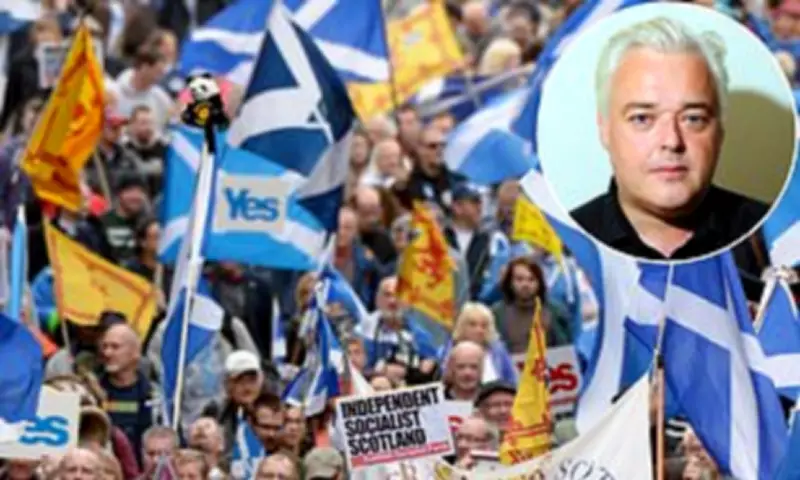
In September 2013, a passionate supporter of Scottish independence found himself in domestic discord after his partner returned from Edinburgh's Calton Hill. With the historic referendum just one year away, she had joined 8,000 nationalists at a Yes Scotland rally and declared the movement unstoppable. How could the unionist Better Together campaign possibly compete against such fervent saltire-waving momentum?
The realist in the relationship promptly dampened her enthusiasm. While thousands had gathered, he noted, millions of Scots had chosen different pursuits that day. He cautioned against interpreting the rally as indicative of the broader constitutional contest. His skepticism proved prescient when, twelve months later, Scots voted 55-45 to remain within the United Kingdom.
History Repeating Itself?
In a striking display of optimism, Scottish nationalists now believe their movement requires precisely the same approach again. On Saturday, March 28, First Minister John Swinney will lead another procession through Edinburgh culminating at Calton Hill. He describes the event as embodying "hope, confidence and choice," asserting there has never been a more crucial moment for independence supporters to unite.

The truth, however, is that this latest march will achieve precisely nothing to advance the separatist cause. The UK Government will not observe a few thousand flags and suddenly authorize another secession referendum. Unionist Scots will not witness another sea of saltires and experience a conversion to the nationalist viewpoint.
Political Theater Amid Scandal
First Minister Swinney understands this reality perfectly. With the Scottish National Party mired in scandal and the Yes movement fragmented, a day of flag-waving provides a valuable opportunity to project unity and purpose. The organizing group Believe In Scotland claims the rally will demonstrate that the independence campaign "won't stop."
Yet this event also represents an implicit admission of failure. After nineteen years in power at Holyrood and one lost referendum, separatists still have not presented a compelling or coherent case for independence. This perspective is shared by numerous veterans of the nationalist campaign who have spent decades on the front lines.
Contrasting Leadership Approaches
The blame for this stagnation falls largely on former First Minister Nicola Sturgeon. Unlike her predecessor Alex Salmond, who focused on demonstrating competent governance after the 2007 election, Sturgeon prioritized campaigning over administration. Salmond's strategy proved effective: between 2007 and 2014, support for independence climbed from approximately 27 percent to 45 percent.
Sturgeon, by contrast, arrogantly assumed skeptical Scots would inevitably convert to the cause. Her independence campaign consisted mainly of undeliverable promises regarding a second referendum, repeatedly leading supporters halfway up the hill only to retreat when reality intervened.
Missed Opportunities and Lessons Unlearned
One former SNP cabinet secretary recently expressed frustration that their party failed to learn from the 2014 defeat. "We should have taken the result as progress and returned to governing instead of taking voters for granted," the veteran remarked. Another experienced hand suggested that a savvy SNP leader would have collaborated with unionist opponents on policy matters to demonstrate respect for No voters' perspectives.
"We didn't change any minds by shouting at the winners," they explained.
Current Political Landscape
John Swinney now appears almost certain to lead the SNP to a fifth consecutive Holyrood election victory in May, with polls consistently showing a convincing nationalist lead. However, the First Minister should not misinterpret this as growing support for secession. While the SNP enjoys backing from approximately one-third of voters, most Scots do not share Swinney's urgency regarding independence.
A recent Savanta poll for the BBC revealed voters' top three priorities: the cost of living crisis, the National Health Service, and the economy. Only 13 percent of respondents identified independence as a top-three issue.

Constitutional Reality Check
Even if constitutional change were a priority for voters, John Swinney possesses no mechanism to deliver another referendum. The constitution remains under UK Government jurisdiction, and Prime Minister Keir Starmer shows no inclination to plunge the United Kingdom into another divisive referendum campaign.
The SNP government appears out of ideas and entangled in scandal, with Swinney abandoning even the pretense of addressing majority concerns. Instead, he speaks exclusively to his base, employing the same empty sloganeering that characterized Nicola Sturgeon's eight-and-a-half-year tenure.
Those preparing to march with the First Minister believe they participate in a campaign with unstoppable momentum. They are mistaken. Thousands may join John Swinney on Calton Hill later this month, but millions more will have better things to do with their time—just as they did in 2013.