Scottish Political Leaders Unite in Solemn Tribute to Dunblane Massacre Victims
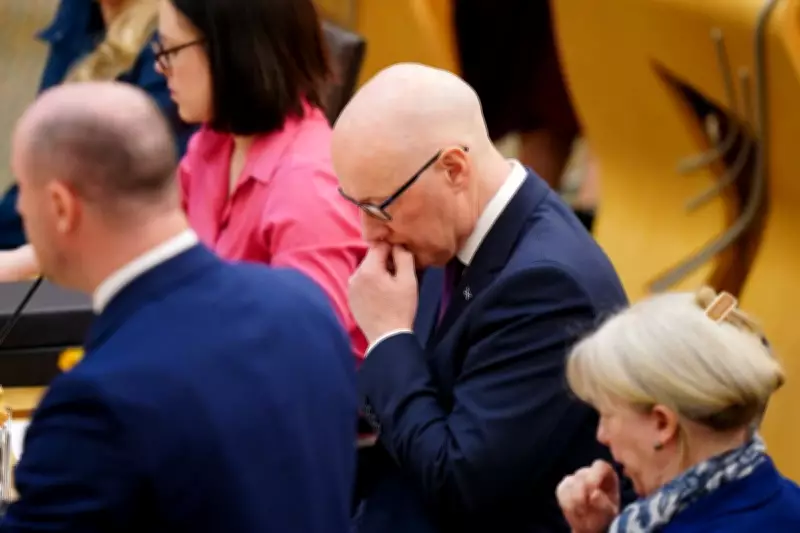
Scotland's political leaders have delivered powerful and emotional tributes to the victims of the Dunblane massacre, marking the approach of the tragedy's 30th anniversary with solemn remembrance in the Scottish Parliament. First Minister John Swinney led the commemorations during Holyrood's weekly First Minister's Questions, sharing his personal connection to the darkest day in modern British history.
A Personal Connection to National Tragedy
Speaking with profound emotion, Mr Swinney revealed that his own son was born on March 13, 1996 - the very day that Thomas Hamilton entered Dunblane Primary School and killed 16 children and their teacher, Gwen Mayor, while injuring 15 others. This remains the deadliest mass shooting in United Kingdom history.
"I remember the preciousness of my son's birth and could not begin to imagine that day, or any day since, the sense of loss faced by those families," the First Minister told Members of the Scottish Parliament. "My prayers and my deepest condolences go out to everyone impacted by that terrible tragedy, and my most heartfelt thanks go to all who took action to ensure that it might never happen again."
Cross-Party Unity in Remembrance
The First Minister specifically praised the parents of the murdered children who campaigned successfully to ban handguns across the United Kingdom in the aftermath of the tragedy. "Scotland has not seen a mass shooting since," Mr Swinney noted, highlighting the lasting impact of the legislative changes that followed the massacre.
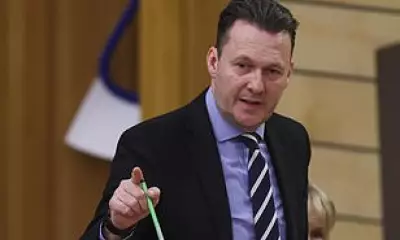
Scottish Conservative leader Russell Findlay described a photograph of the primary one classroom as capturing "pure childhood innocence" with teacher Gwen Mayor "beaming with pride" alongside her pupils' "cheeky wee smiles." He recalled how news bulletins on that spring day "stopped us in our tracks" and how Dunblane's "tears of sorrow turned to anger, and then to action."
"Handguns were banned. Lives were saved and they continue to be saved," Mr Findlay told Parliament, emphasizing the enduring legacy of the campaign that followed the tragedy.
Focus on Resilience and Community Strength
Scottish Labour leader Anas Sarwar said the Dunblane tragedy would "forever be etched" in the memory of Scots, urging people to remember not the "evil" killer but instead the "beautiful faces of those innocent children, their brave teacher, the families left grieving forever." He paid tribute to "the inspiring resilience of that community that raised and loved them" while calling for current gun laws to remain "robust" against modern challenges.
Greens co-leader Gillian Mackay, who was approximately the same age as the Dunblane pupils at the time of the shooting, shared her mother's experience of hearing about the tragedy while in hospital giving birth to Ms Mackay's brother. "She always told how her relief at me being safe was immediately dashed by the realisation that others did not have the same fate," the politician recounted.
Scottish Liberal Democrat leader Alex Cole-Hamilton reflected that the "gunshots of a madman cut short the promise of those young lives" but noted how they "brought a nation to grief and a Parliament to action, forever banning the domestic ownership of handguns."
Enduring Legacy and National Memory
Throughout the tributes, political leaders emphasized several consistent themes:
- The unimaginable grief suffered by families who lost children and a beloved teacher
- The remarkable strength and resilience demonstrated by the Dunblane community
- The successful campaign to ban handguns that emerged from the tragedy
- The importance of remembering the victims rather than the perpetrator
- The ongoing responsibility to prevent such tragedies from recurring
First Minister Swinney concluded his tribute by praising the Dunblane community's demonstration of "the power of community, the power of solidarity, the power of love within Scotland," adding that they have "the respect and the admiration of us all." As Scotland approaches the 30th anniversary of its most devastating school shooting, the parliamentary tributes served as both a memorial to those lost and a testament to the legislative changes that followed in their memory.