Senate Moves Toward Confirmation of Mullin as Homeland Security Secretary
The United States Senate is advancing toward a critical vote to confirm Markwayne Mullin as the new Secretary of Homeland Security. This comes as a deepening standoff over Transportation Security Administration (TSA) operations creates significant disruptions at airports nationwide.
Nomination Advances Amid Partisan Divisions
President Donald Trump's nominee, Republican Senator Markwayne Mullin of Oklahoma, is set to take leadership of the embattled Department of Homeland Security. The department has been without permanent leadership since Kristi Noem was fired following public backlash over controversial immigration enforcement operations.
During a rare weekend session, senators advanced Mullin's nomination largely along party lines with a vote of 54-37. Democratic Senators John Fetterman of Pennsylvania and Martin Heinrich of New Mexico joined most Republicans in supporting the nomination, while Republican Senator Rand Paul voted against Mullin in committee and abstained from Sunday's procedural vote.

Challenging Confirmation Process
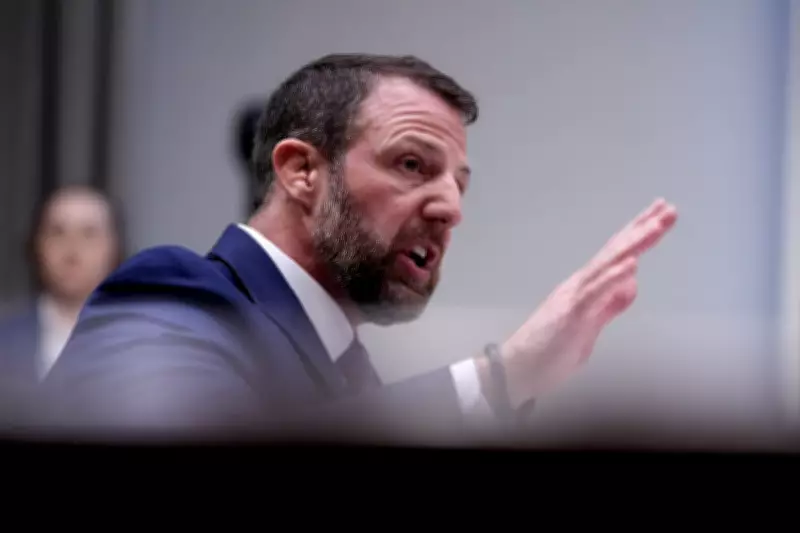
Mullin's confirmation hearing last week proved contentious, with Senator Rand Paul questioning the nominee's character and temperament during heated exchanges. Despite this, Mullin attempted to present himself as a steady hand who could bring stability to the department, stating his goal would be to "get the department off the front page of the news."
The former mixed martial arts fighter and collegiate wrestler brings congressional experience spanning more than a dozen years, along with management background from running a family plumbing business in Oklahoma. While not traditionally seen as a key figure on immigration issues, his loyalty to President Trump secured him the nomination.
Immediate Challenges Await
Mullin would assume leadership during a particularly difficult period for the department. Routine funding has been blocked since mid-February as Democrats demand significant changes to immigration enforcement operations. This funding stalemate has resulted in:
- Long security wait times at U.S. airports during the busy spring break travel season
- Demands for tighter restraints on immigration officers following protest-related deaths in Minneapolis
- Concerns about President Trump's order for immigration officers to assist TSA agents potentially escalating tensions
Immigration Enforcement at Center of Debate
Democrats have outlined specific demands for immigration enforcement reforms, including:
- Requiring officers to identify themselves and refrain from wearing masks
- Prohibiting enforcement operations near schools, churches, hospitals and other sensitive locations
- Mandating body cameras for all officers
- Requiring judicial warrants before entering private residences
During his confirmation hearing, Mullin indicated some policy shifts, stating officers would generally need warrants signed by judges rather than administrative warrants currently used by ICE. He also acknowledged community concerns about massive ICE detention facilities and suggested cutting federal funds to sanctuary jurisdictions would be a last resort.
Broader Departmental Challenges
Beyond immigration issues, Mullin will face significant challenges at the Federal Emergency Management Agency (FEMA), which has come under scrutiny for its disaster response procedures. Critics have noted that Noem's policy of personally approving contracts over $100,000 slowed disaster assistance to areas affected by hurricanes and other natural disasters.
Mullin indicated during his hearing that he would revoke this contract approval rule and rejected suggestions to eliminate FEMA entirely. The department currently lacks a full-time administrator for the agency.
Political Context and Expectations
Mullin takes office as public support for the president's immigration agenda has declined following a year of high-profile operations in multiple American cities. Under Noem's leadership, officers faced accusations of using excessive force, maintaining squalid detention conditions, and bypassing due process for rapid deportations.

While Mullin has demonstrated some willingness to adjust certain policies, he is expected to largely follow the White House agenda on immigration enforcement. President Trump faces pressure from within the Republican Party to fulfill his promise of deporting one million people annually.
The Senate confirmation vote, expected late Monday, will determine whether Mullin assumes leadership of a department at the center of multiple national security and domestic policy challenges.