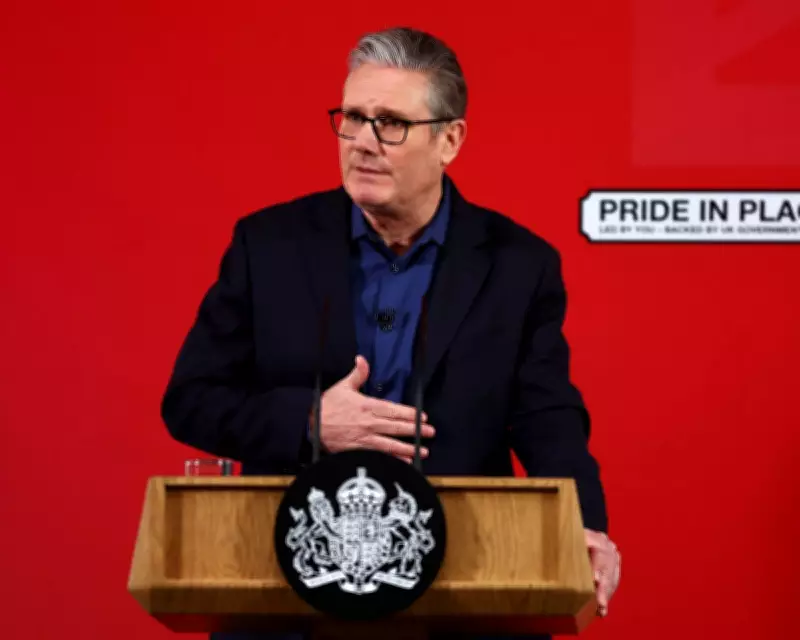
Prime Minister Keir Starmer has issued a formal apology to the victims of Jeffrey Epstein's sexual abuse, as he attempts to navigate the turbulent fallout from the Peter Mandelson scandal that has rocked his leadership. The apology comes after one of the most challenging days in office for Starmer, marked by internal party rebellion and significant political pressure.
A Public Expression of Regret
In a statement delivered on Thursday, Starmer expressed deep remorse for having believed what he described as "lies" told by former Labour minister Peter Mandelson at the time of his appointment as Washington ambassador. The Prime Minister also apologised for the very public nature of the scandal's unfolding, which has forced victims to relive their trauma repeatedly.
"The victims of Epstein have lived with trauma that most of us could barely comprehend, and they have to relive it again and again," Starmer stated. "They have seen accountability delayed and too often denied to them."

Specific Apology Points
Starmer's apology contained several specific elements of regret:
- Sorry for what was done to Epstein's victims
- Sorry that people in positions of power failed them
- Sorry for having believed Mandelson's lies and appointing him
- Sorry that victims are forced to watch the story unfold publicly once more
Political Context and Backlash
The apology follows a stormy day in the House of Commons where Labour MPs threatened rebellion over government plans regarding the publication of documents related to Mandelson's appointment. This came after further revelations emerged about Mandelson's continued relationship with Epstein even after the financier was jailed for trafficking a child for sex.
The threat of parliamentary defeat forced the government into yet another U-turn, with ministers agreeing to allow a parliamentary committee to oversee document publication rather than senior civil servants. This represents another significant concession in a series of policy reversals that have characterised recent government decision-making.
Leadership Under Pressure
The day's events dealt another substantial blow to Starmer's authority, with increasing numbers of MPs calling for either the resignation of his chief of staff, Morgan McSweeney, or for Starmer himself to step down. The Prime Minister notably did not apologise for appointing Mandelson despite having known about his continued relationship with Epstein after the financier's conviction.
Reasserting Political Values
In an attempt to reassert his reputation for probity in office, Starmer added: "I entered politics because I wanted to change our country for the better, to make it fairer, safer, more secure. I still believe that most people who serve in public life, whether as civil servants or elected politicians, do so for the same reason, because they believe in service, because they believe in duty, because they believe in the public good."
He continued with a pointed criticism: "But that is not why some people do it, and that is not why Mandelson did it." This statement represents a clear distancing from his former appointee while attempting to reaffirm his own political values and motivations.
Broader Implications
The Mandelson scandal continues to present significant challenges for Starmer's leadership, testing both his authority within the Labour Party and his government's ability to manage complex political crises. The episode has highlighted ongoing tensions between different factions within the party and raised questions about judgement in senior appointments.
As the government navigates this difficult period, attention will focus on how effectively Starmer can rebuild trust both within his party and with the wider public, while ensuring proper accountability for past decisions that have now come under intense scrutiny.