Starmer's Strategic Block on Burnham Ignites Labour Party Debate
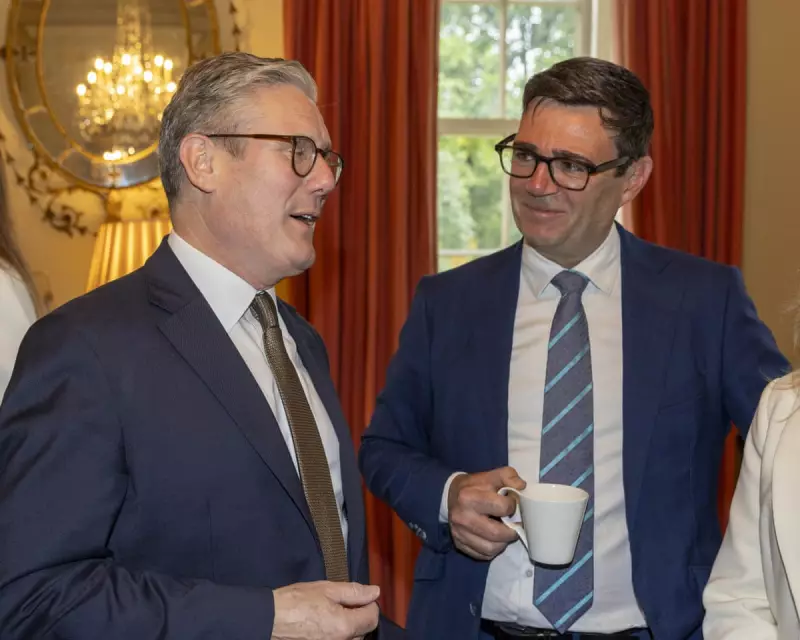
In a move that has sent shockwaves through the Labour Party, Keir Starmer has reportedly blocked Andy Burnham from standing as a Labour MP in the upcoming general election. This decision, revealed in recent political discussions, highlights the ongoing tensions within the party as it gears up for a critical electoral battle. The action underscores Starmer's efforts to consolidate his leadership and shape the party's direction, but it also raises questions about his approach to managing high-profile figures and potential rivals.
Ruthlessness or Weakness: The Dual Interpretations
On one hand, blocking Burnham can be seen as a display of strategic ruthlessness. Starmer, as Labour leader, is keen to present a unified front and avoid internal dissent that could undermine the party's campaign. By preventing Burnham, a popular and influential figure, from re-entering Westminster politics, Starmer may be aiming to eliminate any threat to his authority and ensure that the party's message remains consistent. This move could be interpreted as a necessary step to maintain discipline and focus on winning the election, reflecting a tough, no-nonsense leadership style.
However, critics argue that this decision reveals a deeper weakness within Starmer's leadership. Blocking a respected figure like Burnham might suggest that Starmer feels insecure about his position or fears competition from within his own ranks. It could be perceived as an attempt to stifle debate and diversity of thought, potentially alienating supporters who value Burnham's contributions and vision. This perspective frames the move as a sign of vulnerability, indicating that Starmer is more concerned with controlling the party than fostering a broad-based, inclusive coalition.

The Implications for Labour's Electoral Prospects
The fallout from this decision could have significant implications for Labour's performance in the next election. Burnham, as the Mayor of Greater Manchester, has built a strong regional following and is often praised for his pragmatic approach and communication skills. His absence from the parliamentary candidate list might disappoint some voters and activists who see him as a key asset in Labour's bid to regain power. This could lead to internal friction and reduced morale, potentially hampering the party's efforts to mobilise support across the country.
Conversely, Starmer's move might streamline the party's campaign by reducing potential distractions and ensuring a clear, centralised strategy. By taking a firm stance, he could demonstrate his commitment to a specific policy agenda and leadership vision, which might resonate with voters looking for decisive governance. The long-term impact will depend on how the party and the public perceive this action, with polls and internal feedback likely to shape the narrative in the coming months.
Broader Context of Labour's Internal Dynamics
This incident is not isolated but part of a broader pattern of internal management under Starmer's leadership. Since taking over, he has faced challenges in balancing different factions within the Labour Party, from centrists to more left-leaning members. The blocking of Burnham adds to this complex landscape, highlighting the ongoing struggles to define the party's identity and direction. It also reflects the high stakes of pre-election politics, where every decision is scrutinised for its potential to sway public opinion and secure electoral success.
As Labour prepares for the next general election, the debate over Starmer's handling of Burnham will likely continue to simmer. Whether viewed as a bold strategic move or a misstep revealing underlying weaknesses, it underscores the delicate balance leaders must strike between assertiveness and inclusivity in modern politics. The outcome of this controversy could influence not only Labour's electoral fortunes but also the future of Starmer's leadership and the party's cohesion in a post-election landscape.