Starmer to Face Intense Commons Grilling Following Trump's 'No Churchill' Criticism Over Iran
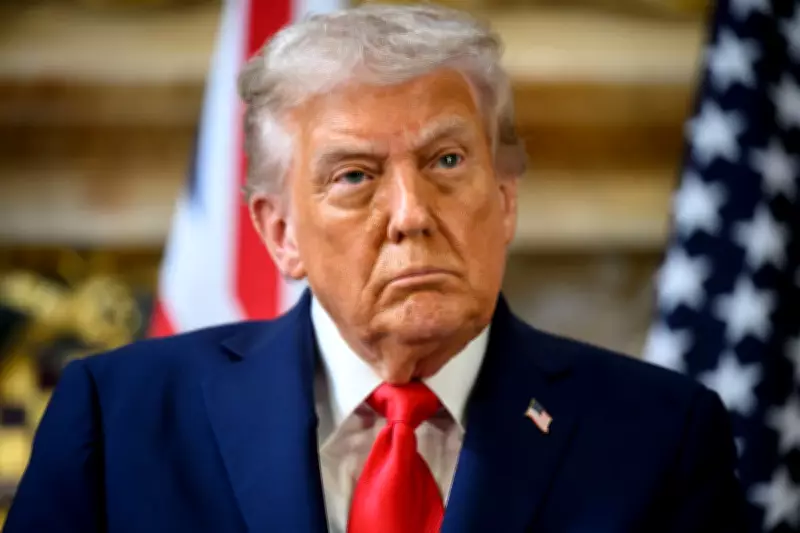
Prime Minister Sir Keir Starmer is set to confront a rigorous interrogation in the House of Commons this Wednesday, as fallout intensifies from Donald Trump's personal broadside against his handling of the escalating Middle East conflict. The US president unleashed fresh criticism on Tuesday, bluntly stating that Starmer is "no Winston Churchill" and expressing dissatisfaction with Britain's level of support.
Trump's Scathing Remarks and UK's Defensive Stance
In interviews with British newspapers, Trump voiced his displeasure, remarking, "I am not happy with the UK" regarding the extent of its assistance. He specifically highlighted delays in permitting US strikes on Iranian targets from British military installations, saying, "This is not Winston Churchill that we're dealing with." The Prime Minister had agreed on Sunday to allow American forces to use the joint UK-US base at Diego Garcia and RAF Fairford, but strictly for defensive strikes aimed at protecting allied nations from Iranian missile attacks.
Downing Street has moved swiftly to downplay tensions, insisting that the United States remains a "staunch" ally despite the president's pointed comments. Sir Keir has yet to respond personally to Trump's latest rebuke, but the conflict is anticipated to dominate the agenda during Prime Minister's Questions, where MPs will demand clarity on the government's strategy.

Military Preparations and Evacuation Efforts
Amid the diplomatic friction, the UK is bolstering its defensive capabilities in the region. HMS Dragon, one of the Royal Navy's Type 45 air defence destroyers, is being prepared to deploy to the Mediterranean to defend Cyprus after RAF Akrotiri was struck by a drone. The warship will be accompanied by two Wildcat helicopters equipped with Martlet missiles, designed to counter drone threats.
Chief Secretary to the Treasury James Murray defended the government's approach in media interviews, emphasising that the UK has been building up defensive readiness in recent weeks. "What's important is that we have been prepared in the build-up toward this and that we now step up and make sure we have the defensive capability there," he stated, while declining to specify when Britain's delayed defence investment plan will be published.
Evacuation Flights and Regional Turmoil
Foreign Secretary Yvette Cooper has confirmed that a Government charter flight will depart from Muscat, Oman, "in the coming days" to repatriate vulnerable British nationals. Approximately 130,000 Britons have registered their presence in the Middle East with the Foreign Office as evacuation plans are activated. While a limited number of commercial flights are operating, the majority of departures have been cancelled due to widespread airspace closures.
The conflict continues to rage, with American and Israeli forces conducting strikes against Iran since the killing of Supreme Leader Ayatollah Ali Khamenei on Saturday. Tehran and its allies have retaliated against Israel, Gulf states, and energy infrastructure. President Trump has indicated that the US military may begin escorting oil tankers through the Strait of Hormuz to protect them from Iranian attacks and mitigate soaring energy prices triggered by the war.
As Sir Keir Starmer prepares for his Commons appearance, the pressure mounts to justify his cautious approach amid Trump's very public disapproval and the complex geopolitical landscape of the Middle East.