Sir Keir Starmer has been urged to extend the current 5p-per-liter fuel duty cut as escalating tensions in the Middle East drive oil prices higher, threatening to worsen the cost-of-living crisis for British consumers. The call comes from Lord Walker, the Prime Minister's cost-of-living champion and boss of Iceland, who advocates for either extending or enlarging the relief measure to mitigate the financial strain on households.
Fuel Prices Soar Amid Iran Crisis
The existing 5p fuel duty cut, initially introduced in March 2022, is scheduled to expire at the end of August, with rates planned to gradually return to previous levels over a five-year period. However, recent developments in the Strait of Hormuz, where Iran's actions have heightened regional instability, have caused oil prices to surge dramatically. This has led to a sharp increase in pump prices, putting additional pressure on consumers already grappling with high living costs.
Current Price Increases
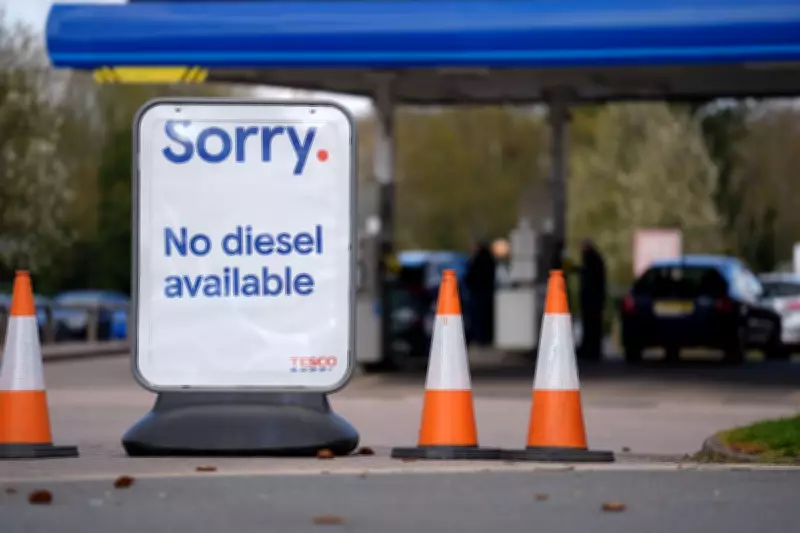
Since February 28, average diesel prices have risen by a staggering 30%, reaching 185.2p per liter, while petrol prices have increased by 16% to 154.5p per liter. These spikes are directly linked to the ongoing crisis, which has disrupted global oil supplies and fueled market volatility. Lord Walker emphasized that without intervention, these rising costs could severely impact family budgets and economic stability.

Political Pressure and Government Response
Opposition parties are intensifying their calls for action, with the Liberal Democrats pushing for a more substantial 10p cut to provide greater relief. In response, Prime Minister Keir Starmer has acknowledged the challenges, warning that the cost-of-living spike resulting from the Iran crisis, exacerbated by former President Trump's policies, "won't be easy" for Britons. He has stated that the planned fuel duty rise in September is currently "under review," indicating potential flexibility in government policy.
Broader Implications
The situation highlights the interconnected nature of global events and domestic economic policies. As the crisis deepens, policymakers face mounting pressure to balance fiscal responsibility with immediate consumer needs. Extending the fuel duty cut could offer temporary respite, but long-term solutions may require addressing broader energy security and inflation issues. The government's decision in the coming months will be closely watched by both the public and political opponents.