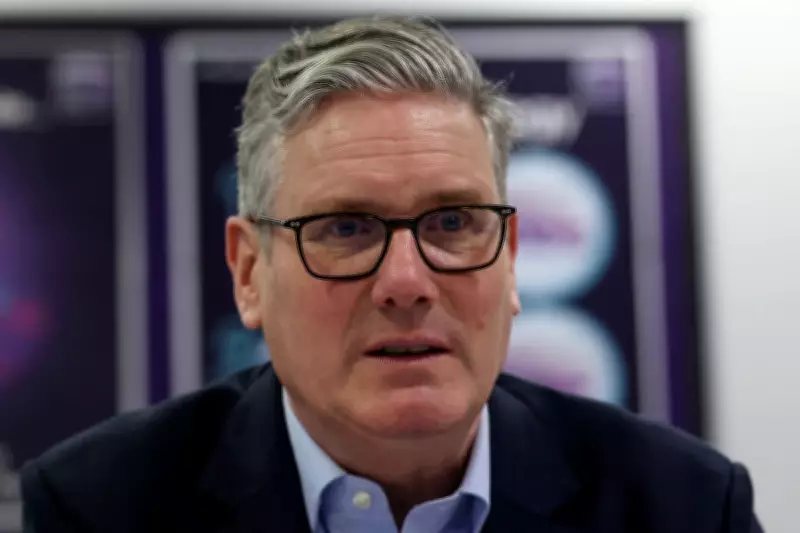
Prime Minister Keir Starmer is dodging a critical U-turn on his choice of chancellor, but he is rapidly running out of road. With the Labour government facing yet another embarrassing about-turn, this time on student loans, his authority appears to be in tatters. The scandal over student loans might even deter people from having children, as noted by opposition figure Kemi Badenoch.
A Record-Breaking Spate of Reversals
Depending on various accounts, Keir Starmer's willingness to reform the student loans system to make it "fairer"—potentially as soon as next week—would mark the 14th, 15th, or possibly 16th U-turn executed by his administration. The uncertainty stems from whether potential reversals, such as this one and the Chagos Islands deal, actually materialise, and how to account for double policy flips, like on compensation for Waspi women, which was promised in opposition, cancelled in government, then reviewed and cancelled again.
Given that Starmer's government has only been in office for about 18 months, this represents a record-breaking performance, surpassing the indecision seen from past leaders like Harold Wilson, Ted Heath, John Major, and Boris Johnson. It is fair to say that this prime minister has failed to keep his promise to "tread more lightly" on people's lives, let alone end the "chaos and confusion" he once criticised.

From Statesmanship to Incompetence
While U-turns can sometimes be acts of statesmanship, undertaken when unforeseen events render manifestos impractical, that is not the case here. Reviewing the long list of abrupt changes under this administration, remarkably few can be termed "force majeure." No one forced Starmer to decree ID cards as a central feature of his last party conference speech and a landmark mission, only to forget about it weeks later. This is not statesmanship but shameful incompetence.
Most of Labour's errors in policy and personnel were avoidable. The party did not prepare adequately for government and, once in power, lacked political nous. Starmer's tendency to delegate and outsource decisions has proven a terrible weakness. Delegation can be effective with the right people, but farming out politics to Morgan McSweeney and economics to Rachel Reeves were critical misjudgments with baleful consequences.
The Chancellor's Role in the Crisis
McSweeney has departed, along with much of the original No 10 team, but Reeves remains in place. Starmer may be unable to remove her without damaging his own precarious position. Yet, she exhibits poor political instincts or receives inadequate advice, repeatedly inviting fresh reversals and humiliations. She follows Treasury directives with little regard for political impact, leaving Starmer pressured by Kemi Badenoch—whom he once patronised—into backtracking on student loans.
It has been a good week for the opposition leader. Any observer can see that so-called "Plan 2" student loans are a shocking rip-off. By championing university graduates, Badenoch has acted sensibly and outflanked Labour. Reeves might retort, "what would you do?" but that only highlights the "original sin" committed in opposition: making impossible promises not to raise taxes, increase borrowing, or cut spending, which could not be kept even in better times.
The Fiscal Straitjacket and Its Consequences
Reeves presumably created this unrealistic fiscal straitjacket, leading to many of the crises the government has since suffered. Perhaps Labour would not have won the election so handsomely if they had been more cautious or honest, but it would have meant governing more effectively now. The most grievous consequence of this dysfunctionality is that the prime minister's authority is shot. In a way, he is a victim of his own landslide victory.
With a nominal Commons working majority of almost 170, Starmer is now a prisoner of his backbenchers—in office but not in power. This agonising paradox is all the more painful for Labour because any new leader would face the same predicament. Yet, Reeves continues to blunder. She did not need to sound so dismissive about young people trapped in student debt by declaring the system "fair and proportionate," when it is anything but, Labour MPs are openly calling for change, and public opinion is shifting away from the government's stance.

The Inevitable U-Turn Looms
Why play the "Iron Chancellor" when a U-turn on student loans feels inevitable? The real question is how much longer Starmer can avoid a U-turn on his choice of chancellor. Would it look worse to keep her or fire her, so he can truly turn the political corner in 2026? As the government stumbles from one reversal to another, the prime minister's road is narrowing, and his authority continues to erode, leaving Labour's future in doubt.