Keir Starmer's Defining Stand Against Trump's Iran Policy
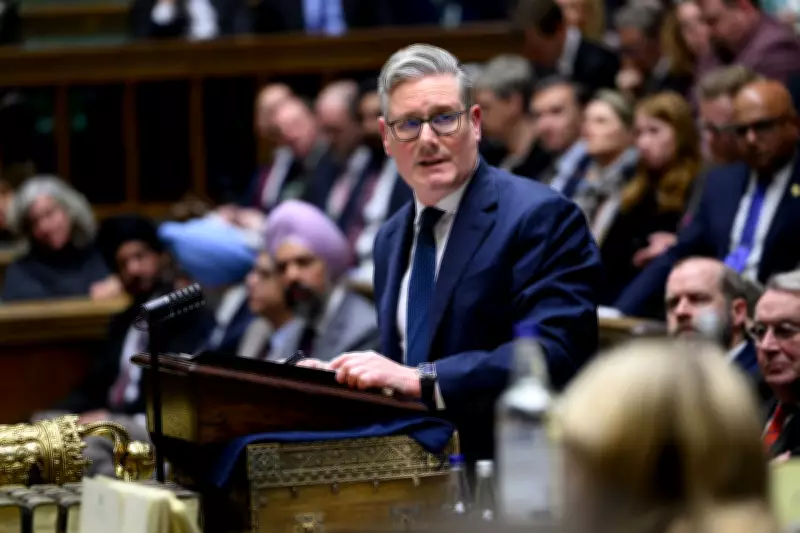
As the Iran conflict escalates with each passing day, Prime Minister Keir Starmer's decision to keep British forces largely out of direct military engagement appears increasingly prudent and courageous. While American and Israeli operations continue, Britain's measured approach represents a calculated defense of national interests rather than blind allegiance.
The Transatlantic Tension
President Donald Trump has publicly expressed disappointment with Britain's stance, telling sympathetic media outlets that he is "not happy" and "very sad to see the relationship is not what it was." The president criticized Starmer directly, stating: "He has not been helpful. I never thought I'd see that from the UK. We love the UK."
This criticism carries particular irony coming from an "America First" president who now questions Britain's commitment to its own national interests. Starmer's initial refusal to allow British bases to be used for offensive operations against Iran—later modified to permit defensive use only—represents a proportionate response that respects both international law and Britain's strategic position.

A Pragmatic Approach to Alliance
The prime minister has navigated pressure from multiple fronts, resisting calls from both the Labour left and Greens to sever ties with Trump completely while simultaneously standing firm against American demands for greater military involvement. This balancing act demonstrates Starmer's commitment to preserving the long-established US-UK alliance while protecting British sovereignty.
British forces continue to engage threats where they emerge, most notably at RAF Akrotiri in Cyprus, which was recently targeted by drones from Iran's Houthi allies. This measured response contrasts sharply with the shifting objectives of American and Israeli military operations, which lack clear strategic goals.
Historical Precedents for Disagreement
This current rift represents neither the first nor likely the last disagreement in the special relationship's history. Historical examples abound:
- President Eisenhower refused to support Britain during the Suez Crisis
- America hesitated to share nuclear secrets with its closest ally
- Harold Wilson resisted immense pressure from President Johnson to send troops to Vietnam
- Edward Heath denied President Nixon's request to use UK bases during the Yom Kippur War
- Margaret Thatcher clashed with Ronald Reagan over the US invasion of Grenada
- Theresa May failed to secure a post-Brexit trade deal during Trump's first term
Each of these episodes tested the alliance, yet the partnership endured through pragmatic diplomacy and mutual respect for differing national interests.
The Leadership Question
Starmer's biographer, Tom Baldwin, recently observed that even following difficult by-election losses, the prime minister's allies believe he is "finally asserting his own personality and values on a government." This characterization—previously described as "the vegetarian manager of a butcher's shop"—suggests a leader finding his political footing.
The Trump administration's policies on Ukraine, NATO, tariffs, and now the Middle East present more fundamental challenges than previous disagreements, compounded by MAGA rhetoric about "cultural erasure." These factors make Starmer's careful navigation of the Iran crisis particularly significant for the future of transatlantic relations.
In standing up to Trump's demands, Keir Starmer has demonstrated the backbone that British leadership requires during international crises. While the special relationship faces strain, history suggests it will endure—and Starmer's cautious approach to the Iran conflict may well be vindicated as the situation develops.