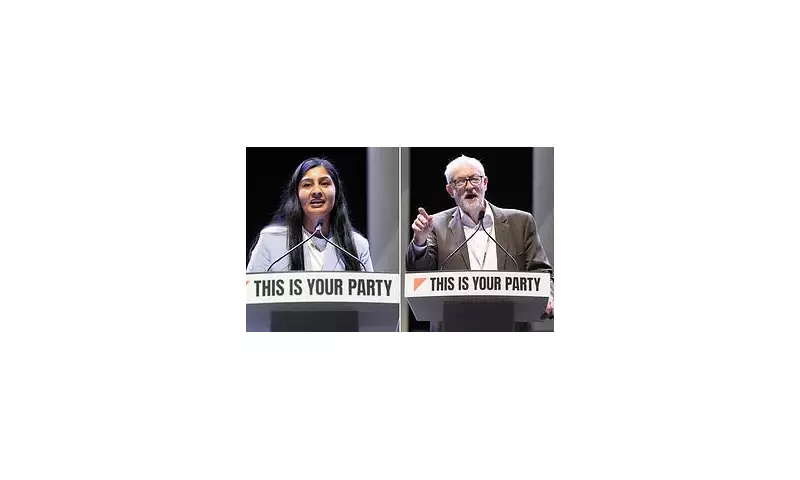
Days ago, former Labour MP Zarah Sultana publicly pledged to "continue working closely with Jeremy (Corbyn) and comrades across the movement," in an apparent effort to draw a line under months of bitter infighting within Your Party. This new hard-left outfit, with Mr Corbyn serving as its interim leader, has been plagued by factional disputes since its inception last summer.
Elections Amid Calls for Unity
The party is currently attempting to move past these internal conflicts as it holds elections for its new controlling leadership council. Candidates standing in these elections have been explicitly instructed to refrain from making "personal attacks" on their rivals, emphasising a need for comradely conduct during the campaign period.
Scrutiny Over Sultana's Endorsement
However, serious questions are now being raised about Ms Sultana's genuine commitment to this unity agenda. This scrutiny follows her endorsement of the Grassroots Left slate, whose candidates and behind-the-scenes organisers have made little secret of their disdain for Mr Corbyn, who is now 76 years old.

An investigation has revealed that individuals associated with this slate have previously supported those who branded Mr Corbyn "either a useful fool or a malicious hypocrite." These critics have accused him of wanting to run the party alone with a cabal of close advisers, effectively sidelining broader membership input.
Historical Accusations and Factional Tensions
During last year's intense struggle for control of the socialist party, some of these figures accused Mr Corbyn of aspiring to be a "party king" with a "divine right to wear the crown." This criticism was rooted in his longstanding popularity and decades of involvement within far-left movements, which some perceived as fostering an undemocratic leadership style.
Many Grassroots Left supporters are members of the Democratic Socialists, a hardline faction within the party dedicated to "the defeat of capitalism." Their approach often contrasts with other strands of socialist thought within the organisation, creating ongoing ideological friction.
Social Media Controversies and Personal Attacks
One of the main organisers of Ms Sultana's Grassroots Left slate openly liked a pithy message on X which simply stated: "F**k Jeremy Corbyn." Meanwhile, one of the slate's candidates accused Mr Corbyn and his allies of leading an attempted "coup" by a group including "bullies, landlords (and) transphobes."
This appears to reference independent MPs aligned with Mr Corbyn. One such MP has previously spoken out in support of JK Rowling in her battle for women's gender rights, while another owns several rental properties—a point of contention within socialist circles that often criticise landlordism.
Organisational Structure and Director Involvement
According to official records, the Grassroots Left campaign is operated by a company called Saint-Simon & Co. Its directors were Luke Fox and Charlie Porter until Mr Porter resigned last week. At the height of last year's infighting, Mr Fox retweeted a message disparaging Mr Corbyn along with his allies, former Labour chief of staff Karie Murphy and independent MP Adnan Hussein.
Mr Porter, meanwhile, repeated a message attacking Mr Corbyn over Your Party "purging" members who were also in the Socialist Workers' Party. This action was likened to the way Corbynistas were expelled from Labour after his departure, drawing parallels that further inflamed factional tensions.
Candidate Perspectives and Internal Criticisms
Max Shanly, standing as a Grassroots Left candidate for the South East, accused Corbyn's supporters of believing he had "a divine right to wear the crown" of party leader. He claimed they then "threw a tantrum" when their plan was blocked by the membership vote. Mr Shanly argued they wanted to install Mr Corbyn as a "Party King" at the head of a "dictatorship of the mediocre," suggesting projection in their criticisms of Ms Sultana.
Graham Jones, a candidate in the West Midlands, defended Ms Sultana last September after she branded Corbyn and his associates a "sexist boys club." He stated she was acting to prevent a "coup" by a group including "bullies, landlords, transphobes, and seemingly no one from social movements outside of bureaucratic trade unions."

Recent Endorsements and Contradictory Positions
This week, two Grassroots Left candidates, Chloe Braddock and Ewan Tilley, endorsed both Jeremy Corbyn and Zarah Sultana for seats on the CEC. Writing in the leftwing Tribune magazine, they argued "both have a role to play as the figureheads of our movement, just as all socialists should find a political home in this party."
However, last year during intense factional fighting, Ms Braddock mounted a strong attack on the party's "incompetent, socially conservative, backstabbing MPs and their self-serving staff." In November, after members of the SWP were expelled, she described it as "the undemocratic manoeuvre of an insecure leadership" under Corbyn.
Origins of the Current Divide
The rival camps have been at loggerheads ever since Ms Sultana walked out on Labour and declared she would co-lead the new party—a move that came as a surprise to Mr Corbyn and his allies. Nominations opened earlier this month for places on the committee that will have responsibility for running the party after members voted to block its MPs from serving as leader.
This structural move in December followed clashes between interim leader Mr Corbyn and his fellow former Labour MP Zarah Sultana, who at one point accused them of running a "sexist boys club." The election results will be announced at the end of February after a contest spanning nearly two months.
Official Rules and Expected Conduct
The rules posted online clearly state: "In line with the Your Party membership rules, candidates, like all members, must act in a respectful, comradely, and non-abusive manner in all contexts, including Party meetings and on social media." They further specify that "candidates shall refrain from personal attacks during the election."
Neither Grassroots Left nor Zarah Sultana responded to requests for comment regarding these apparent contradictions between public unity pledges and the actions of endorsed slate members. As the leadership council elections proceed, these revelations continue to highlight the profound challenges facing the party in its quest for internal cohesion and effective collective action.