Tony Abbott's Potential Return Looms Over Angus Taylor's Liberal Leadership
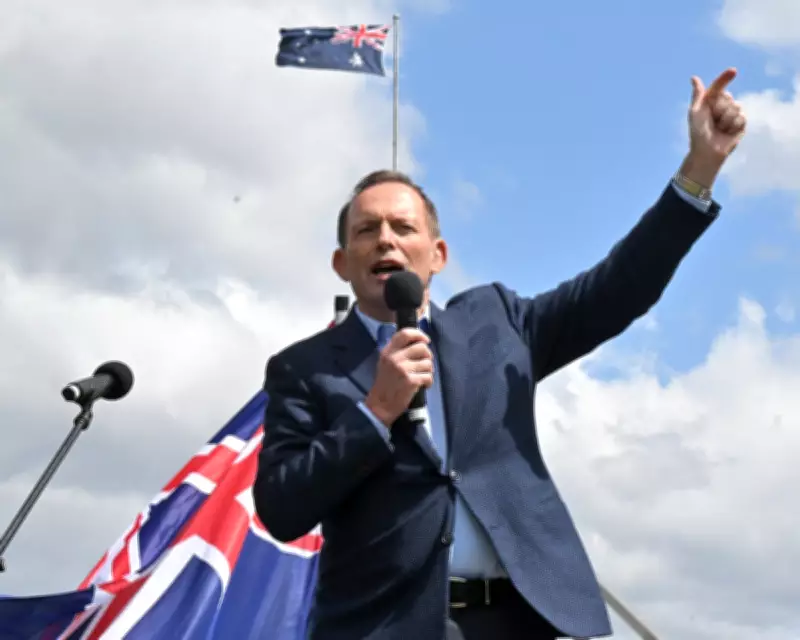
In a significant shift within the Liberal party, the conservatives have regained control, bringing with them their most influential and polarising figure. This development has sparked intense speculation about the future role of former prime minister Tony Abbott, who is reportedly open to resurrecting his parliamentary career under the right circumstances.
Internal Power Dynamics and Historical Context
Last June, the Liberal party's federal executive convened to address issues within the troubled New South Wales division. While this meeting may seem a minor footnote in party history, its outcome revealed crucial insights into the internal power struggles at the time. The national right faction attempted to install Abbott on a new management committee to oversee the branch, but this move was thwarted by allies of then-leader Sussan Ley, marking an early victory for the moderate-aligned faction.
However, with Angus Taylor's recent defeat of Ley to secure the federal Liberal leadership, the political landscape has dramatically changed. If a similar push were made today, it would almost certainly succeed, underscoring the resurgence of conservative influence within the party.

Speculation and Ambitions
Abbott's potential role in this new era of conservative control is a topic of fervent discussion among party members, eliciting mixed reactions based on ideological leanings. Internally, there is widespread speculation that the 68-year-old former prime minister is positioning himself to replace John Olsen as federal president, a role that would involve overseeing the party's administrative wing and campaign infrastructure. Olsen's position is subject to annual re-election at the federal council meeting scheduled for late May.
Other Liberals, speaking anonymously, suggest that Abbott harbours greater ambitions than serving as a party figurehead with limited public visibility. "Tony has had an interest in the role of federal president, but what he would really like to do is return to parliament," a senior source revealed. Earlier this year, Abbott confirmed having a conversation with former leader Peter Dutton about a potential parliamentary return but did not pursue it after being informed it would complicate Dutton's leadership.
Abbott's Stance and Influence
In a written statement, Abbott expressed his desire to support Angus Taylor and the Liberal party broadly, stating he would continue writing, speaking, and campaigning. However, he added that this would not involve taking on party positions or contesting elections, "other than in the very unlikely event that it was the clear wish of the party leadership." This statement strongly implies that Abbott is open to a frontline political comeback if Taylor actively drafts him, a scenario that did not materialise under Dutton.
Despite the close relationship between Abbott and Taylor, an immediate return seems unlikely, diminishing prospects of Abbott contesting the byelection in Ley's former seat of Farrer. Nevertheless, Abbott's influence remains potent, whether from parliament, party headquarters, or through his Substack essays and media appearances on platforms like Sky News.
Policy Directions and Future Implications
Taylor's leadership has already signalled a shift further to the right, aimed at curbing support losses to One Nation. Shortly after Taylor's victory, Abbott provided insight into his preferred policy direction, advocating for immigration policies reminiscent of the 1950s to 1970s, which emphasised integration and assimilation—a period overlapping with the white Australia policy.
Such statements cannot be dismissed as mere commentary from a retired politician; they highlight Abbott's enduring sway over the party's philosophical trajectory. As the Liberals navigate this new conservative era, the central question remains: from where will Abbott exert his influence, and how will it shape Taylor's leadership and the party's future direction?