Trump Voices Displeasure with UK Over Hormuz Strategy
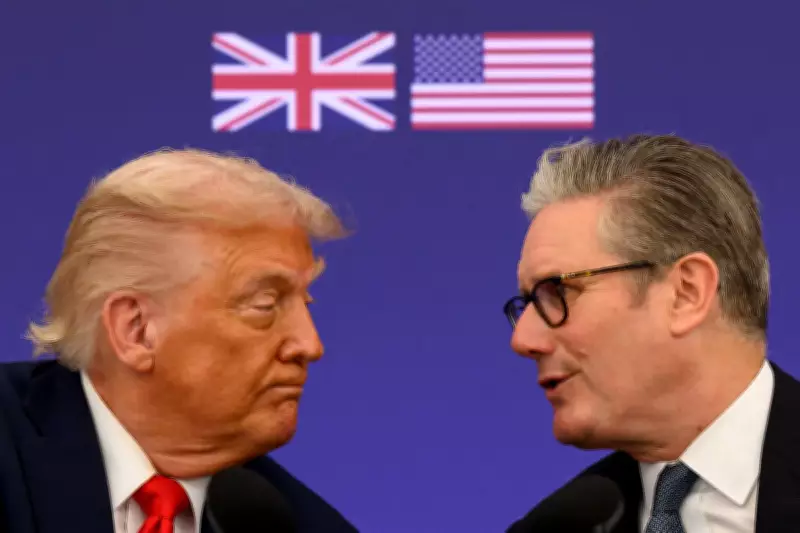
US President Donald Trump has publicly criticised the United Kingdom's response to the crisis in the Strait of Hormuz, describing it as "terrible" and expressing surprise at Prime Minister Sir Keir Starmer's reluctance to commit naval assets immediately. The vital shipping route has been effectively closed by Iran following US-Israeli air strikes, disrupting global oil and gas supplies and escalating regional tensions.
Starmer's Cautious Diplomatic Approach
Prime Minister Starmer has emphasised the need for a "viable collective plan" developed through consultation with European partners and Gulf states, rather than unilateral action. Speaking at a Downing Street press conference, Starmer stated: "We're working with all of our allies to bring together a viable collective plan that can restore freedom of navigation in the region as quickly as possible and ease the economic impacts." He further stressed his determination to avoid British involvement in a "wider war" in the Middle East.
The Prime Minister revealed that discussions are ongoing regarding potential UK contributions, which might include mine-hunting drones rather than major warships. "It is a discussion, we are not at a point of decisions yet," Starmer clarified, highlighting his preference for broad international agreement before any military deployment.
Trump's Direct Criticism and Historical Context
President Trump's criticism extended beyond strategic disagreements to personal observations about Starmer's decision-making process. Following a Sunday phone call between the leaders, Trump claimed: "I said you don't need to meet with your team, you're the Prime Minister, you can make your own... why do you have to meet with your team to find out whether or not you're going to send some minesweepers." UK Government sources countered that Starmer was referring to consultations with international partners and military planners, not merely Downing Street advisers.
Trump contrasted the current situation with historical UK-US cooperation, noting: "We've been with you. You're our oldest ally and we spend a lot of money on Nato and all of these things to protect you." He described Britain as the "Rolls-Royce of allies" while characterising Starmer as a "very nice guy" whose response to the conflict had been "very disappointing." The US President also dismissed an alleged offer of British aircraft carriers, claiming: "I don't need your aircraft carriers after we've already won."
International Coordination and Domestic Energy Measures
Alongside the Hormuz discussions, Starmer joined leaders from Canada, Germany, France, and Italy in issuing a joint statement calling for de-escalation in the conflict between Israel and Hezbollah. The statement expressed "grave concern" about escalating violence in Lebanon and urged "meaningful engagement" toward a sustainable political solution, while warning that a significant Israeli ground offensive would have "devastating humanitarian consequences."
Domestically, the Prime Minister addressed the economic impact of rising oil and gas prices, announcing a £53 million support package for vulnerable heating oil customers across the UK. England will receive £27 million, Northern Ireland £17 million, Scotland £4.6 million, and Wales £3.8 million, distributed through local authorities based on census data. Starmer issued a "legal direction" to energy firms to pass on savings from government policies and threatened legal action against suppliers accused of cancelling orders and hiking bills during the crisis.
"I simply will not allow companies to make huge profits from the hardship of working people," Starmer declared, while declining to rule out further interventions when the current energy price cap expires in July.
Political Reactions and Strategic Implications
Conservative leader Kemi Badenoch questioned the depth of Starmer's relationship with the US administration, telling the Press Association: "It is not clear the Prime Minister has been involved in the planning process. All of our allies seem to be worried about how slow he is." She urged Starmer to develop a plan based on "the national interest, not just what his Labour backbenchers want."
Meanwhile, speculation continues about potential UK naval deployments, with HMS Prince of Wales reportedly placed in advanced readiness earlier this month. The strategic dilemma highlights broader tensions between immediate military action favoured by the US and the multilateral, cautious approach championed by the UK government, with significant implications for global energy markets and international diplomacy.