The Transformation of American Media Under Trump and Tech Titans
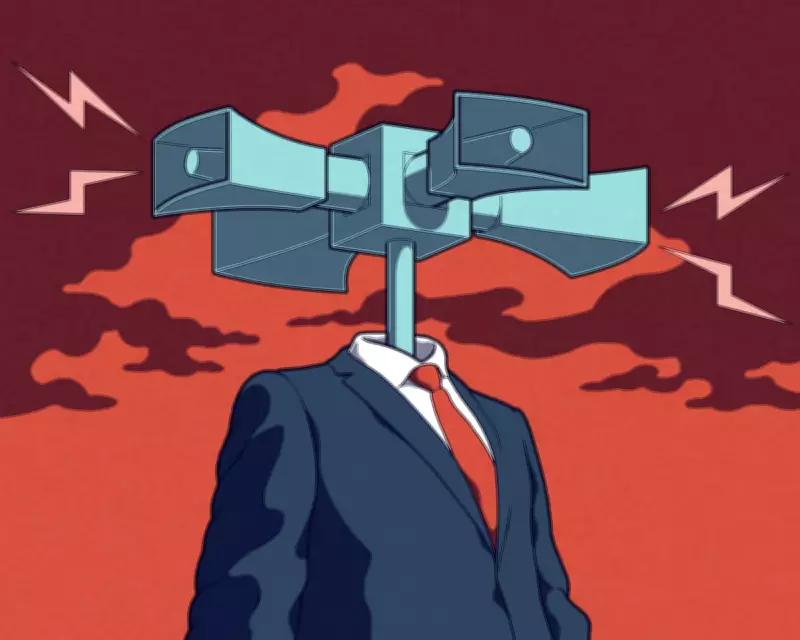
Two recent developments in the United States media landscape reveal a troubling pattern emerging under the influence of former President Donald Trump and his billionaire allies. These events highlight a deliberate shift away from traditional journalism toward controlled narratives and state-aligned propaganda.
The Bezos Paradox: Funding Propaganda While Cutting News
In one corner of this media transformation, we see Amazon founder Jeff Bezos making contradictory investments. His company spent a remarkable $75 million (£54 million) to secure rights to Melania, a glossy documentary about the former First Lady's return to the White House. The substantial investment and subsequent ticket sales suggest this was more than a purely commercial venture.
Meanwhile, Bezos's other media property, the Washington Post, is preparing to eliminate up to 200 positions in early November. The cuts will significantly impact foreign correspondents and reduce the newspaper's core newsroom staff. This dual approach—investing heavily in state-adjacent propaganda while divesting from the fourth estate—demonstrates how capital and authoritarian tendencies can converge to control public information.

The CBS News Takeover and Editorial Shift
Similar patterns emerge at CBS News, where tech billionaire Larry Ellison—a known Trump ally—and his son David took control of Paramount, the network's parent company, in July 2023. Their appointment of Bari Weiss, former New York Times columnist and founder of the conservative Free Press blog, to lead CBS News immediately created controversy.
Weiss faced resistance from veteran journalists at the network, particularly when her editorial decisions appeared to favour the Trump administration's perspective. Now, she is expected to implement further newsroom reductions while reshaping the network's content priorities.
The Opinion-Over-News Revolution
What remains telling is what these media institutions choose to emphasise moving forward. Weiss has announced plans to hire numerous opinion writers while prioritising what she calls "scoops of ideas" and "scoops of explanation." This represents a clear shift toward commentary over factual reporting.
Similarly, Bezos has directed the Washington Post's opinion section to focus exclusively on defending "personal liberties and free markets," explicitly stating that opposing viewpoints should find publication elsewhere. This editorial narrowing creates echo chambers rather than platforms for diverse perspectives.
The Fascism Playbook in Modern Media
This transition from news reporting to opinion dominance reflects broader political trends where narrative performance replaces substantive policy discussion. By agitating public emotions and provoking fear, media can channel sentiment while leaving actual power structures unchallenged. This phenomenon aligns with what philosopher Walter Benjamin termed the "aestheticisation of politics" under fascist regimes.
The practical consequences are severe. Foreign coverage—expensive and time-intensive—becomes expendable when the world is framed as hostile territory. Investigative journalism into power abuses loses priority. Features exploring human experiences elsewhere seem irrelevant to this new media paradigm.
The Degradation of Public Discourse
The ultimate impact is a deterioration in how humans communicate about and understand each other. Under authoritarian-leaning media structures, knowledge about others and artistic expression become targets for elimination, as demonstrated by Trump's takeover of cultural institutions like the Kennedy Center and attacks on the Smithsonian.
Billionaires who have accumulated unprecedented wealth and influence now control information machines, staffed by what critics might call misfits, useful idiots, and attention-seekers. This transformation will be marketed as pragmatism—giving audiences what they want in an era of strained media finances and shortened attention spans.

A Deliberate Political Alignment
It is no coincidence that the tech moguls reshaping media maintain close connections to the Trump administration—a government that has consistently attacked journalism as "fake news" and even arrested reporters. The Ellisons and Bezos cannot be considered good-faith stewards concerned solely with journalism's viability in a changing world.
While legitimate challenges face the media industry—including financial sustainability and technological disruption—the proposed solutions consistently trend toward amplifying rightwing voices, privileging expression over reporting, and diminishing capacity to document global human experience. This represents not just business evolution but political realignment with profound implications for democracy.