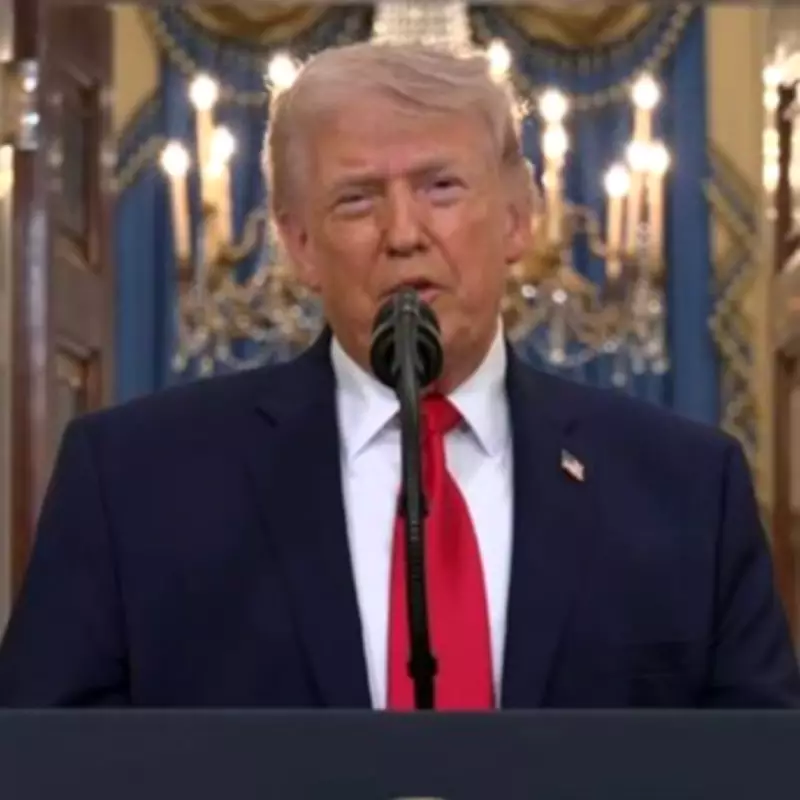
Trump's National Address Focuses on Iran War and Economic Impact
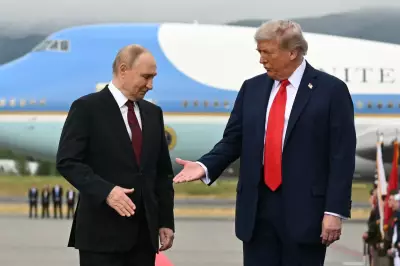
President Donald Trump addressed the nation on Wednesday evening, marking his first national speech concerning the US and Israel-led war against Iran. The conflict, which began on 28 February, has seen significant military actions, including strikes that killed Iran's Supreme Leader Ayatollah Ali Khamenei.
Petrol Prices Skyrocket Amid Conflict
During the address, Trump discussed the surging petrol prices, which have reached a four-year high in the United States. For the first time in four years, the average cost of a gallon of petrol has exceeded $4 across the US. In the UK, this has translated to petrol prices of 152.8p per litre, representing a 20p increase since the Iran war commenced. Some pumps across the country are now advertising diesel for as much as 200p per litre.
Trump described the price rise as a "short term increase", attributing it to Iranian regime actions. He stated, "The short term increase has been entirely the result of the Iranian regime launching deranged terror attacks against commercial oil tankers in neighbouring countries that have nothing to do with the conflict."

Economic Claims and War Objectives
In his speech, Trump made bold claims about the US economy, asserting its strength in the face of the conflict. He said, "The United States has never been better prepared economically to confront this threat. You all know that we built the strongest economy in history. We're going through it right now, the strongest in history."
The president also clarified the war's objectives, revealing from the Oval Office that the primary goal was to remove nuclear weapons from Iran, not to enact regime change. Trump confirmed, "That goal has been attained. They do not have nuclear weapons. Regime change was not a goal." Following Khamenei's death, his 56-year-old son, Mojtaba Khamenei, was promptly declared the next supreme leader of Iran.
Casualties and International Response
According to a death toll tracker from Al Jazeera, the conflict has resulted in significant casualties:
- Over 1,900 killed in Iran from US and Israel-led strikes.
- Over 1,200 killed in Lebanon and 106 in Iraq from similar strikes.
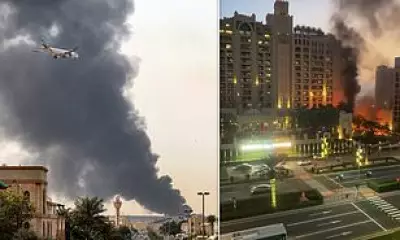
- Iran-led strikes have killed 27 in total in Gulf nations, including Oman, Saudi Arabia, UAE, Bahrain, Qatar, and Kuwait.
- Additionally, Iran-led strikes have killed four in Syria, 24 in Israel, and four in Palestine.
- Thirteen US military personnel have been killed in Iran-led strikes.
Trump expressed gratitude to allies such as Israel, Saudi Arabia, Qatar, the UAE, Kuwait, and Bahrain during the address. He emphasized the need to "finish the job" to honour the fallen US soldiers, stating, "We salute them, and now we must honour them by completing the mission for which they gave their lives. And every single one of the people, their loved ones said 'please, sir, please finish the job,' every one of them. And we are going to finish the job."
War Timeline and Future Plans
On Tuesday, prior to the address, Trump told the press that he expects the war against Iran to conclude in "two or three weeks", adding, "We'll be leaving very soon." His plan to end the war would also mean Iran does not have to make a deal with the US to conclude hostilities.
The national address highlighted the interconnected issues of military conflict, economic resilience, and the direct impact on global fuel prices, underscoring the broader implications of the Iran war for both domestic and international audiences.