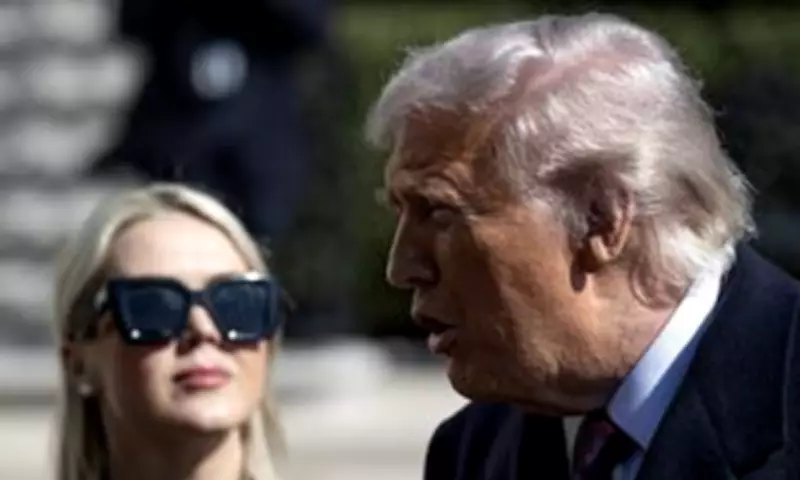
Former President Donald Trump has publicly rebuked his Republican allies for their decision to force Bill Clinton to testify before Congress regarding his relationship with the late financier Jeffrey Epstein. Speaking to reporters outside the White House on Friday, Trump expressed his disapproval of the deposition, stating, "I don't like seeing him deposed, but they certainly went after me."
Trump's Sympathetic Stance
In a notable display of solidarity, Trump added, "I like him," referring to Clinton. This comment highlights a rare moment of bipartisan sympathy from Trump, who has often been at odds with political opponents. The deposition marks a historic event, as Clinton becomes the first former president ever compelled to testify before Congress against his will.
Historical Context and Implications
The testimony is part of ongoing investigations into Epstein's network, which has implicated numerous high-profile figures. Trump's criticism underscores the contentious nature of these proceedings, with Republicans pushing for transparency while facing backlash from within their own ranks. The move to depose Clinton has sparked debate over the limits of congressional authority and the treatment of former presidents.

Trump's remarks also reflect his personal experiences with similar investigations, as he referenced being "went after" himself. This adds a layer of personal grievance to the political drama, suggesting that Trump views the deposition as part of a broader pattern of targeting public figures.
Reactions and Future Developments
The fallout from Trump's comments is likely to influence Republican strategy moving forward, as internal divisions become more apparent. Observers note that this could impact upcoming elections and policy debates, with Trump's influence remaining a key factor in GOP dynamics. As the Epstein case continues to unfold, further testimonies and revelations are expected to keep this issue in the spotlight.